Asbestos, a group of naturally occurring minerals, has been extensively utilised in construction and other industries due to its desirable properties, such as resistance to fire, heat, and chemicals, along with its strength and flexibility. However, despite these attributes, long-term exposure to asbestos fibres can lead to severe health consequences, including respiratory illnesses and cancer. Consequently, in the United Kingdom and many other countries, asbestos use has faced regulatory restrictions since the late 20th century.
Despite this regulatory shift, the risk of asbestos exposure persists, particularly in the context of soil contamination. Historically, asbestos-containing materials (ACMs) have been extensively used and disposed of in various environments, including brownfield sites, landfills, and urban areas. Uncontrolled demolition or disturbance of buildings and structures containing asbestos can lead to its release into the environment, dispersing asbestos fibres in the soil.
This situation creates ongoing challenges in the assessment, management, and remediation of asbestos-contaminated lands. Engaging with these concerns is essential for stakeholders involved in land regeneration, development, and construction works to safeguard public health, protect the environment, and adhere to established regulatory frameworks.
This blog article aims to provide an overview of the risks and implications of asbestos in soils and offer practical guidance and remediation strategies for addressing these challenges. Drawing on industry expertise, we will provide insights on navigating the complexities of asbestos regulations, properly assessing and managing asbestos in soils, and implementing suitable remediation techniques to achieve safe, sustainable, and compliant land management outcomes.
Developing a keen understanding of and an appropriate response to asbestos in soils is crucial for fostering environmental stewardship, protecting public health, and preventing potential liabilities for land developers and environmental contractors alike.
Health and Environmental Risks of Asbestos in Soils
Asbestos in soils poses significant risks to both human health and the environment. These risks stem primarily from the release of asbestos fibres into the air when soil is disturbed, which can then be inhaled or ingested by individuals in the vicinity.
1. Human Health Risks: Asbestos fibres can cause severe health issues, including asbestosis, a chronic lung disease, lung cancer, and mesothelioma, a cancer affecting the lining of the lungs and other organs.
2. Environmental Risks: Asbestos fibres can contaminate groundwater, air, and soil ecosystems, leading to potential harm to flora, fauna, and long-term persistence in the environment.
Regulatory Framework for Asbestos in Soils
Managing asbestos in soils effectively requires a thorough understanding of the various regulation and guidance documents that shape the risk assessment and remediation practices in the United Kingdom:
1. Control of Asbestos Regulations (CAR) 2012: This regulation sets strict guidelines and duties to manage asbestos risks in non-domestic premises, including the prevention of ACMs’ disturbance, appropriate handling, and safe disposal.
2. Health and Safety Executive (HSE): The HSE guides dealing with asbestos in soils, including the handling, assessment, and remediation processes, as well as compliance with CAR 2012.
3. Construction Design and Management (CDM) Regulations 2015: These regulations stipulate the management of health and safety risks associated with construction projects, including tackling asbestos in soils during groundworks and construction activities.
4. Waste Regulations and Duty of Care: The safe disposal of asbestos-contaminated soil is regulated under the Environmental Protection Act 1990 and Waste Regulations, necessitating the engagement of licensed waste carriers and authorised disposal sites.
Assessing and Managing Asbestos in Soils
A robust assessment and management strategy is central to mitigating the risks posed by asbestos in soils effectively. Key components of this strategy include:
1. Site Investigation: Undertake a comprehensive site investigation to determine the presence, extent, and concentration of asbestos in the soil. This process generally involves reviewing historical site information, conducting visual inspections, and collecting soil samples for laboratory analysis.
2. Risk Assessment: Evaluate the potential risks of asbestos-contaminated soil to human health and the environment, considering the site’s current and planned future use, and the likelihood of asbestos fibre release.
3. Developing an Asbestos Management Plan: Establish a thorough asbestos management plan outlining control measures, monitoring, and potential remediation strategies to mitigate the identified risks effectively.
4. Training and Competency: Ensure that all personnel involved in the management and remediation of asbestos-contaminated soils are adequately trained, competent, and aware of the associated risks and mitigation measures.
Remediation Strategies for Asbestos in Soils
Once a comprehensive risk assessment is completed, remediation measures may be required to address asbestos-contaminated soils. Various remediation strategies are available, including:
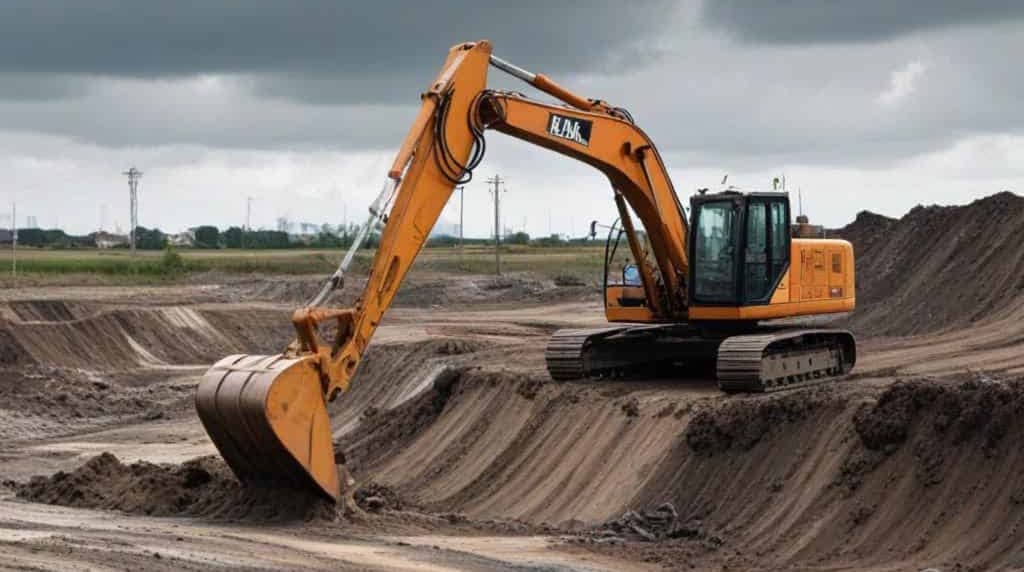
1. Excavation and Disposal: Excavate and segregate contaminated soil for off-site disposal at a licensed facility. This approach is best suited for small-scale sites or high-risk contamination scenarios.
2. Capping and Containment: Isolate contaminated soils with a physical barrier to prevent fibre release and migration. This method is effective in medium to large-scale sites with low to moderate risk levels.
3. Soil Washing and Separation: Employ soil washing and separation techniques to extract and concentrate asbestos fibres from contaminated soils. The process enables the treatment and disposal of a smaller volume of material and can be cost-effective at large-scale sites with moderate to high contamination levels.
4. Monitoring and Management: In some cases, ongoing site monitoring and management measures, such as regular inspections and maintenance activities, may be sufficient to mitigate the risks associated with asbestos in soils.
Conclusion
Understanding the risks, implications, and remediation strategies surrounding asbestos in soils is vital for responsible land management and brownfield site redevelopment. By adequately assessing and managing asbestos-contaminated soils, stakeholders in land regeneration, construction, and related sectors can ensure compliance with regulations, protect human health and the environment, and mitigate potential liabilities.
By adopting a proactive and informed approach to asbestos in soils, projects can progress with greater confidence, fostering safety, sustainability, and successful land development outcomes. Working closely with experienced environmental contracting specialists, like VertaseFLI, can further enable effective assessment, management, and remediation of asbestos-contaminated lands, ensuring safe and compliant project delivery.