Asbestos, a naturally occurring mineral fibre, was once widely used in construction materials due to its excellent insulating and fire-resistant properties. However, it later became evident that asbestos exposure could cause severe health issues such as lung cancer, mesothelioma, and asbestosis, leading to a global reduction in its use and a ban in many countries, including the UK. The legacy of asbestos use is still prevalent today, particularly in contaminated land and brownfield sites, where asbestos-containing materials (ACMs) can pose significant health and environmental risks.
Managing asbestos in soils during brownfield redevelopment projects is crucial to protect the health of construction workers, site visitors, future occupants, and the environment. The process involves identifying the presence of asbestos, assessing the associated risks, evaluating potential exposure pathways, and implementing appropriate remediation techniques to manage and mitigate these risks.
This blog article serves as a comprehensive guide to manage asbestos in soils during brownfield redevelopment projects by exploring best practices for identification, risk assessment, and remediation of asbestos-contaminated land. Through a greater understanding of these practices and the associated regulations, we aim to help industry stakeholders ensure safe and effective asbestos management in accordance with legal requirements and environmental protection standards.
1: Identification of Asbestos in Soils
The first step in managing asbestos in soils is to identify its presence, distribution, and associated asbestos-containing materials (ACMs). The following best practices should be followed when identifying asbestos in soils:
1. Preliminary Site Assessment: A thorough review of the site’s history, past land use, and available records can provide valuable information on the likelihood of asbestos presence. This includes identifying any potential sources of asbestos, such as demolished buildings, landfills, or industrial facilities.
2. Site Investigation: A targeted site investigation should be conducted to confirm the presence of asbestos, with soil sampling and testing following accredited standards, such as the CAR-SOIL guidance developed by the Joint Industry Working Group on Asbestos in Soil and Construction & Demolition Materials.
3. Asbestos Survey: An asbestos survey should be undertaken to identify any remaining ACMs on the site’s built structures. This information is crucial in guiding subsequent asbestos risk assessments and informing remediation strategies.
4. Collaborate with Specialists: Engage qualified asbestos consultants and analytical laboratories to ensure that soil sampling, analysis, and asbestos surveying are performed in line with regulatory requirements and industry standards.
2: Risk Assessment for Asbestos in Soils
Evaluating the risks posed by asbestos in soils is essential in determining the most appropriate remediation response. The following factors should be considered when assessing asbestos risks:
1. Asbestos Type and Concentration: Identify the type and concentration of asbestos fibres present in the soil, as different asbestos forms have distinct health impacts and varying degrees of risk.
2. Exposure Pathways: Evaluate potential exposure pathways for asbestos fibres, including direct contact with contaminated soil, ingestion or inhalation of soil particles, or migration of fibres to groundwater or surface water receptors.
3. Receptor Sensitivity: Assess the sensitivity of potential receptors, such as construction workers, site visitors, future occupants, and adjacent land uses, accounting for varying levels of susceptibility to asbestos exposure.
4. Site-specific Factors: Account for other site-specific factors that could influence asbestos risk, such as land-use history, geology, groundwater conditions, and proposed future land use.
5. Risk-based Action Levels: Apply risk-based action levels, such as Soil Guideline Values (SGVs) or Site-Specific Assessment Criteria (SSAC), to guide decision-making and risk management actions.
3: Remediation Techniques for Asbestos in Soils
Once asbestos risks have been identified and assessed, appropriate remediation techniques should be selected and implemented to mitigate potential health and environmental impacts. Common remediation techniques for asbestos in soils include:
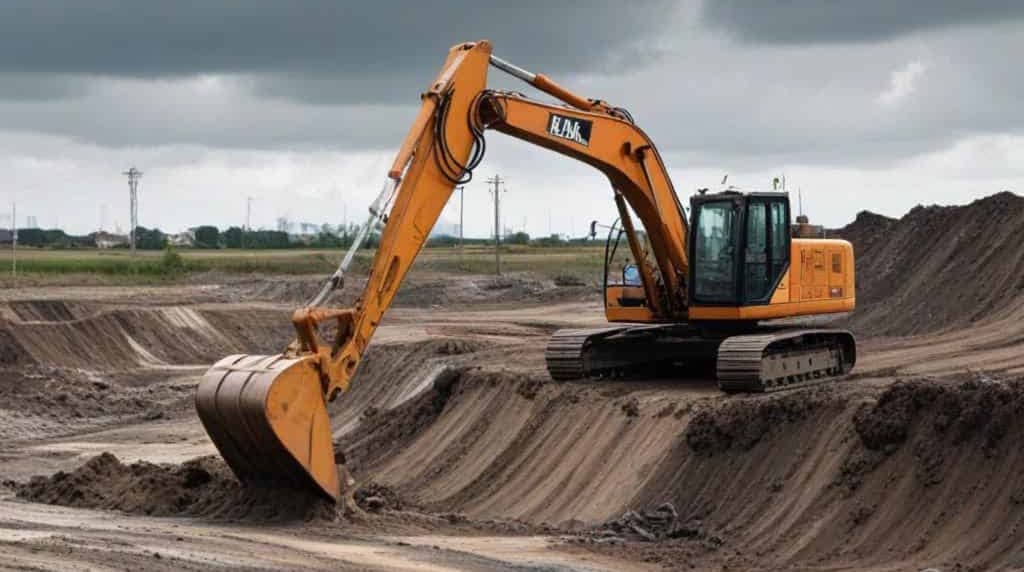
1. Excavation and Disposal: The removal of contaminated soil and disposal at appropriately licensed landfill sites can be a quick but potentially costly solution.
2. Soil Stabilisation: Applying binding agents, such as cement or proprietary stabilisation products, can immobilise asbestos fibres within the soil matrix, reducing potential exposure to receptors.
3. Capping and Containment: Installing a physical barrier, such as a geomembrane or engineered layer of clean soil, can act as a containment measure to mitigate the risk of asbestos exposure.
4. Encapsulation: Encapsulation involves applying a protective sealant or coating to ACMs to prevent the release of asbestos fibres.
5. Monitored Natural Recovery: This approach relies on natural processes, such as soil mixing, erosion, and attenuation, to reduce asbestos concentrations over time. This method is typically only suitable for low-risk sites and where time is not a constraint.
4: Asbestos in Soils – Regulatory Compliance and Stakeholder Engagement
It is crucial to ensure that all asbestos management activities, including identification, risk assessment, and remediation, comply with relevant regulatory frameworks and industry guidance:
1. Regulatory Frameworks: It is essential to follow all applicable regulations and guidance, such as the Control of Asbestos Regulations 2012, the Environmental Protection Act 1990, and the Town and Country Planning Act 1990, among others.
2. Local Authority Consultation: Engage with Local Planning Authorities and regulatory bodies throughout the project to ensure that the proposed remediation strategy aligns with planning permissions, environmental permits, and other regulatory requirements.
3. Stakeholder Engagement: Maintain open communication with all stakeholders, including developers, contractors, environmental consultants, and local residents, to ensure that asbestos management activities are transparent, secure, and in line with community expectations.
Conclusion
Effectively managing asbestos in soils during brownfield redevelopment projects is essential in ensuring long-term public health protection, environmental conservation, and regulatory compliance. By following best practices in asbestos identification, risk assessment, remediation, and stakeholder engagement, project stakeholders can successfully address the challenges presented by asbestos-contaminated land and contribute to the sustainable redevelopment of brownfield sites. As contaminated land remediation experts and environmental contracting specialists, VertaseFLI is dedicated to delivering efficient and compliant asbestos management solutions, safeguarding both our client’s interests and the well-being of the communities they serve.