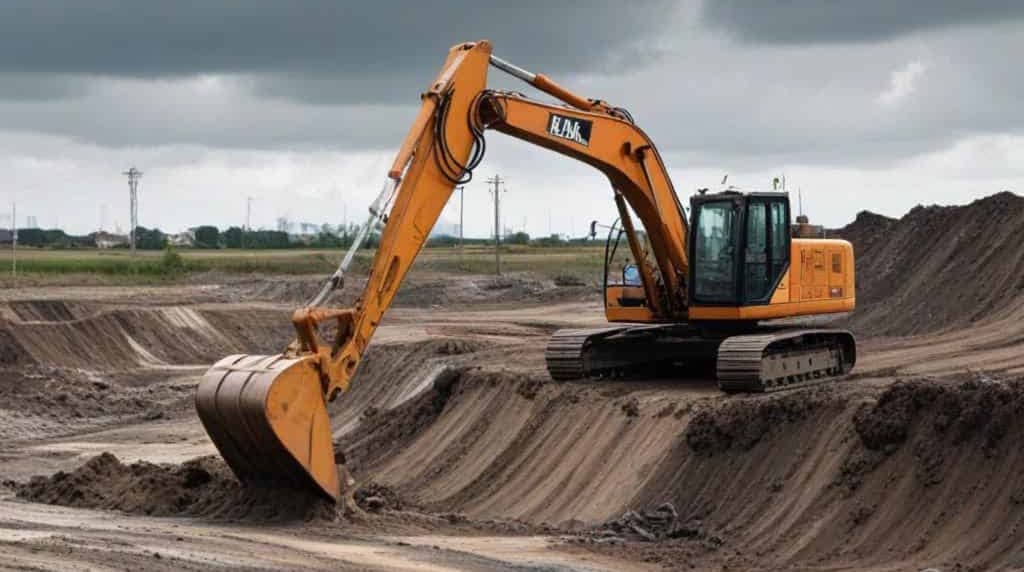
Contaminated land and brownfield sites pose significant environmental, social, and economic challenges, often resulting from historical industrial activities, waste disposal, or poor management practices. Consequently, there is a growing demand for effective remediation solutions that not only address contamination issues but also promote sustainable development. Sustainable remediation strategies integrate the principles of environmental stewardship, social responsibility, and economic viability, ensuring a lasting positive impact on communities, ecosystems, and project stakeholders.
The implementation of sustainable remediation approaches has gained increasing attention worldwide, with many countries adopting these principles as part of their contaminated land management policies and guidelines. The UK Environment Agency, for instance, has published a Sustainable Remediation Framework (SuRF-UK) to promote the integration of sustainable practices within contaminated land management.
This blog article aims to provide a comprehensive overview of sustainable remediation strategies and their importance in managing contaminated land and brownfield sites. We will explore the key principles of sustainable remediation, examine various remediation techniques with an emphasis on their environmental, social, and economic benefits, and discuss vital factors to consider for effective implementation. By understanding and applying these sustainable remediation strategies, industry stakeholders can achieve a more responsible, environmentally friendly approach to land remediation and brownfield redevelopment – ultimately promoting healthier communities, thriving ecosystems, and long-term economic growth.
1: Key Principles of Sustainable Remediation
Sustainable remediation aims to achieve a balance between environmental, social, and economic considerations while effectively managing contaminated land. The key principles underpinning this approach include:
1. Environmental Stewardship: Ensuring that remediation activities minimise harm to the environment and ecosystems, prevent pollution, reduce resource consumption, and promote biodiversity.
2. Social Responsibility: Encouraging community engagement, improving public health and safety, and contributing to local regeneration through positive land remediation practices.
3. Economic Viability: Delivering cost-effective remediation solutions without compromising environmental and social benefits, enhancing long-term property values, and promoting responsible land management.
4. Integrative Decision-Making: Employing a comprehensive, collaborative approach to stakeholder engagement, risk assessment, and remediation planning to optimise sustainable solutions.
2: Sustainable Remediation Techniques
Various remediation techniques can be employed in a sustainable manner, striking a balance between environmental, social, and economic factors:
1. Bioremediation: Utilising natural processes, such as microbial degradation of pollutants, to clean up contaminated sites, providing a low-impact, energy-efficient, and cost-effective alternative to traditional remediation methods.
2. Phytoremediation: Engaging in the use of plants to remediate contaminants from soil, groundwater, or air, offering a visually appealing, ecologically friendly approach that supports local biodiversity and reduces off-site waste disposal requirements.
3. Soil Washing: Implementing a water-based, physical-chemical treatment to separate contaminated particles from soil, allowing clean fractions to be reused on-site for construction or landscaping purposes.
4. In-Situ Chemical Oxidation (ISCO): Applying chemical oxidants directly into the subsurface to target and destroy contaminants in-situ, reducing the need for soil excavation and off-site waste disposal, and minimising community disruption.
5. Permeable Reactive Barriers (PRBs): Installing underground reactive substances in a wall-like configuration to intercept and neutralise contaminants within groundwater plumes, providing a long-term, passive solution that supports sustainable groundwater management.
3: Factors to Consider for Effective Sustainable Remediation Implementation
Achieving successful implementation of sustainable remediation strategies involves a series of robust considerations and actions:
1. Site Assessment and Diagnosis: Conduct thorough site assessments to characterise the type, extent, and risk posed by contamination, providing the foundation for determining the most suitable sustainable remediation approaches.
2. Stakeholder Engagement: Engage relevant stakeholders, including regulatory authorities, environmental consultants, local communities, and contractors, throughout the remediation process, facilitating collaboration and shared decision-making.
3. Regulatory Compliance: Ensure that the remediation strategy aligns with relevant national and local regulations, guidelines, and targets, such as the SuRF-UK framework, Environmental Permitting Regulations, and Land Contamination Risk Management guidance.
4. Performance Monitoring and Verification: Regularly monitor and evaluate the performance of the remediation strategy, measuring its effectiveness in meeting environmental, social, and economic objectives while adapting the approach as necessary.
4: Case Studies and Real-World Applications of Sustainable Remediation
Sustainable remediation approaches have been successfully implemented in various contaminated land and brownfield projects, showcasing the potential for positive environmental, social, and economic outcomes:
1. Gasworks Site (UK): A former gasworks site contaminated with hydrocarbons underwent bioremediation treatment, involving the injection of oxygen-release compound to stimulate natural microbial degradation processes. This low-impact, cost-effective solution successfully addressed the contamination issues and allowed for the redevelopment of residential properties.
2. Sighthill Regeneration (Glasgow, UK): The Sighthill Regeneration project involved the remediation of 50 hectares of contaminated land using a range of sustainable techniques, including soil washing and capping. The approach contributed to the reclamation of the land for a new mixed-use development, including housing, a school, and recreational facilities, fostering community revitalisation.
Conclusion
Sustainable remediation strategies offer an alternative approach to addressing contaminated land and brownfield sites, prioritising environmental stewardship, social responsibility, and economic viability. By employing various sustainable techniques, such as bioremediation, phytoremediation, or soil washing, and incorporating robust considerations of site assessment, stakeholder engagement, and performance monitoring, these strategies can greatly contribute to the successful, responsible management of contaminated land. Contact VertaseFLI to learn more about our contaminated land remediation solutions.