Across the United Kingdom, countless brownfield sites lie abandoned or underutilised, tainted by past industrial activity and resultant contamination. These neglected spaces present significant challenges for urban planners, developers, and environmental agencies, as they must be revitalised to meet growing societal and economic demands for land.
Brownfield remediation solutions, such as those offered by VertaseFLI, are vital for transforming contaminated land into clean and sustainable areas suitable for development, house building, manufacturing, and petrochemical sectors. By adopting robust processes, cutting-edge technologies, and an unwavering commitment to environmental responsibility, VertaseFLI is tackling complex contamination issues and breathing new life into previously impacted landscapes.
In this article, we will explore the various remediation solutions deployed by VertaseFLI to transform brownfield sites, delving into their methodologies, technologies, and the overarching importance of brownfield regeneration for a sustainable and prosperous future in the United Kingdom.
The Significance of Brownfield Remediation
Brownfield remediation is essential in addressing the prevailing land scarcity issues in the United Kingdom, plagued by increasing urbanisation and a growing demand for new homes, workplaces, facilities, and infrastructure. The National Planning Policy Framework (NPPF) places a strong emphasis on the development of brownfield land, urging local planning authorities to prioritise previously developed land over greenfield sites. This emphasis not only satisfies the need for space but also protects natural habitats and ecosystems, ensuring sustainable development. Some key benefits of brownfield remediation include:
1. Economic Development: Remediated land facilitates new investment opportunities, infrastructure improvement, and job creation, rejuvenating local economies.
2. Environmental Protection: Brownfield remediation mitigates the risks posed by contaminated land, preventing the spread of pollutants to surrounding ecosystems and groundwater sources.
3. Space Utilisation: Transforming brownfield sites allows for the repurposing of derelict spaces, reducing development pressure on greenfield sites and preserving valuable rural landscapes.
Assessing Contamination and Risks
Before remediation can commence, it is vital to understand the nature and extent of contamination at each brownfield site. This preliminary stage of assessment typically involves:
1. Desk Study: A comprehensive review of historical records, maps, site usage, and previous investigations, laying the groundwork for identifying potential contamination sources.
2. Site Investigation: A detailed exploration of potential contaminants, employing a range of techniques such as in-situ soil sampling, groundwater monitoring, and geophysical surveys.
3. Risk Assessment: A thorough examination of the risks associated with the identified contaminants to human health, the environment, and property, helping to inform the most suitable remediation techniques, as per guidelines established by the Environment Agency.
Brownfield Remediation Technologies
Effective brownfield remediation entails the careful selection and implementation of the most appropriate technologies. Some widely used remediation methods offered by VertaseFLI are:
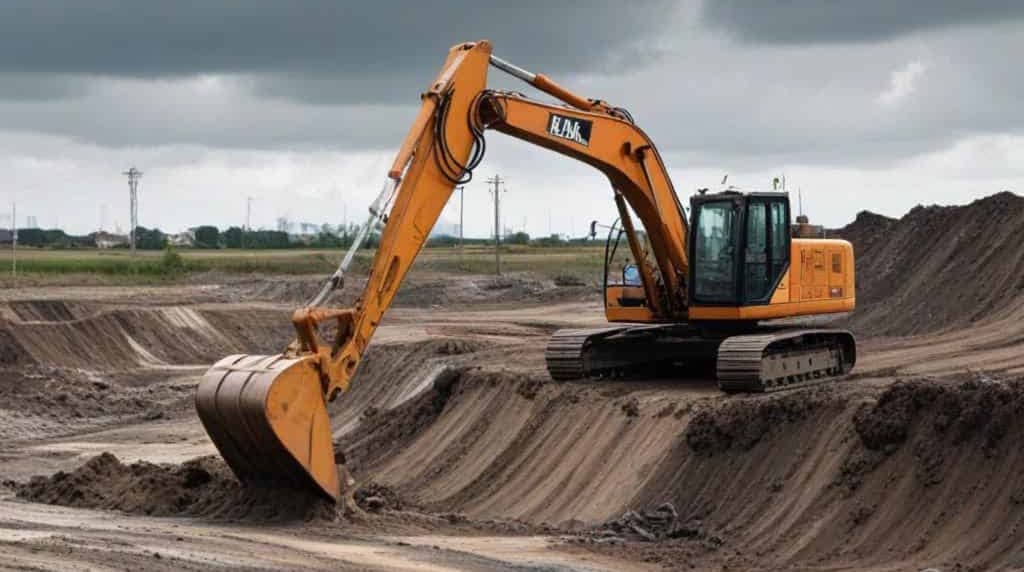
1. Excavation and Disposal: The removal of contaminated soil for off-site disposal at authorised facilities or landfill sites, which may be an appropriate solution for small-scale contamination or highly toxic materials.
2. Soil Stabilisation and Solidification: The treatment of soil with chemical reagents to immobilise contaminants and transform affected soil into a stable, solid mass suitable for reuse on-site or at other locations.
3. Bioremediation: The utilisation of microorganisms, fungi, or plants to break down or convert contaminants into less toxic forms, applying natural biological processes to contaminants such as hydrocarbons or some metals.
4. In-Situ Chemical Reduction: The injection of reactive chemicals into the contaminated soil or groundwater to transform hazardous contaminants into less harmful or insoluble forms.
5. Thermal Treatment: The application of heat or steam to contaminated soil, causing the evaporation and subsequent capture of volatile organic contaminants or destroying residual pollutants in situ.
VertaseFLI’s Comprehensive Approach to Brownfield Remediation
With its extensive experience and multidisciplinary expertise, VertaseFLI offers a comprehensive and tailored approach to brownfield remediation:
1. Site Assessment and Characterisation: VertaseFLI’s thorough assessments help determine the most suitable remediation techniques for each project, informing subsequent design and planning stages.
2. Sustainable Remediation Solutions: VertaseFLI is dedicated to environmental responsibility and seeks to minimise the environmental footprint of its projects by utilising sustainable remediation technologies.
3. Regulatory Compliance: VertaseFLI operates in full compliance with UK regulations, ensuring that each remediated site satisfies the appropriate levels of health and environmental protection specified by the Environment Agency and planning authorities.
4. Collaboration and Communication: VertaseFLI adopts a collaborative approach, engaging with clients, regulators, and stakeholders throughout the remediation process to ensure that all parties are informed, involved, and satisfied with the project’s progress and outcome.
Post-Remediation Monitoring and Management
After the completion of remediation activities, VertaseFLI remains committed to the long-term success of our projects, offering post-remediation services that include:
1. Monitoring: VertaseFLI conducts regular monitoring of the remediated site to track the effectiveness of implemented remediation measures and verify the site’s suitability for its intended use.
2. Maintenance: VertaseFLI provides ongoing maintenance of remediation systems, infrastructure, and landscaping to ensure that the site retains its integrity and value.
3. Adaptive Management: VertaseFLI is prepared to adapt its remediation strategies in response to emerging needs or changing site conditions, optimising environmental outcomes and ensuring long-term project success.
Pioneering a Sustainable Future through Brownfield Remediation
Brownfield remediation holds the key to unlocking the potential of contaminated land across the United Kingdom, fostering economic growth, environmental sustainability, and social well-being. By adopting an end-to-end approach, integrating assessment, innovative technologies, robust project management, and post-remediation monitoring, you can achieve transformative brownfield remediation solutions that promote sustainable development and contribute to a prosperous future in the United Kingdom.
VertaseFLI, as a leading brownfield remediation contracting specialist, champions this cause with its comprehensive and tailored approach, assessing and implementing effective remediation technologies while ensuring rigorous regulatory compliance. Our dedication to collaboration and communication with clients, regulators, and stakeholders underscores their commitment to delivering transformative solutions for the development, house-building, manufacturing, and petrochemical sectors. Let us help you build a greener, more sustainable future. Get in touch with our team of experienced professionals today!