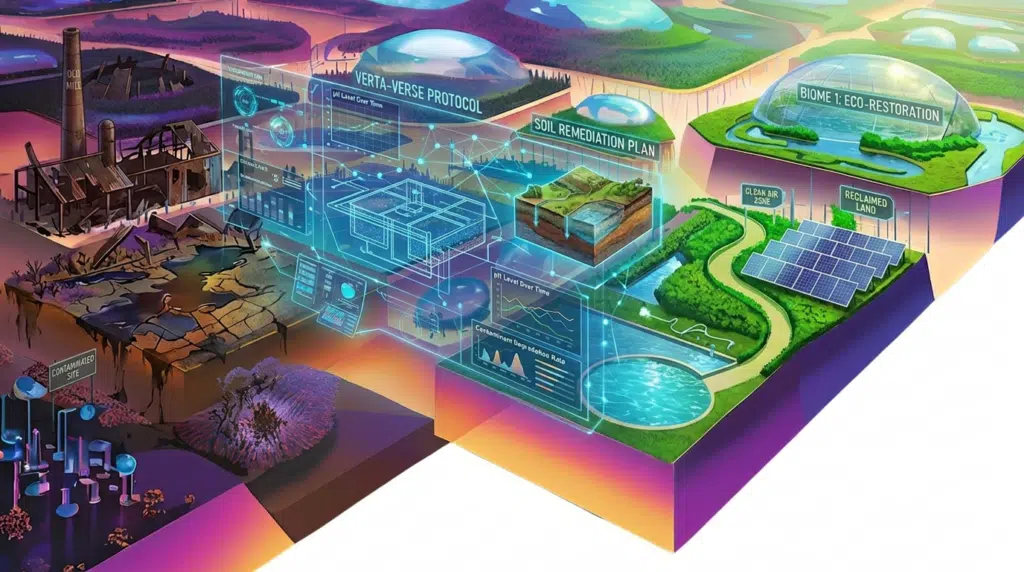
Brownfield redevelopment projects often involve the challenging task of remediating and managing contaminated land. In recent years, bioremediation techniques have gained recognition as a sustainable and cost-effective solution to the complex issues associated with land contamination.
Bioremediation leverages the natural processes of indigenous or introduced microorganisms to break down, degrade or transform environmental contaminants into less harmful or non-toxic substances. By capitalising on these natural mechanisms, bioremediation techniques reduce the need for off-site disposal, lower remediation costs, and minimise the environmental footprint of land reclamation projects.
VertaseFLI, a specialist in contaminated land and brownfield redevelopment, offers a suite of innovative bioremediation solutions tailored to the unique requirements of each project. With a strong focus on sustainability and resource optimisation, VertaseFLI’s experienced team employs cutting-edge techniques to transform contaminated land into viable, development-ready platforms.
By providing comprehensive services, including site investigations, remediation design, implementation, and monitoring, VertaseFLI ensures the successful revitalisation of brownfield sites for the development, house building, manufacturing, and petrochemical sectors.
This blog article will delve into the various bioremediation techniques available for brownfield redevelopment, showcasing the benefits of these sustainable and innovative approaches.
Bioremediation as a Green Technique for Brownfield Remediation
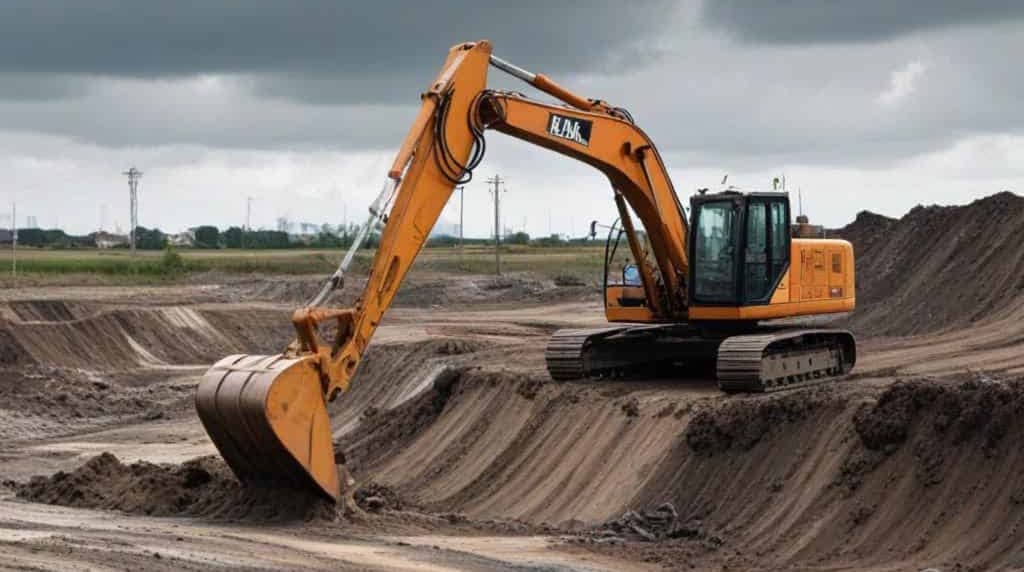
Traditional methods of site remediation usually involve physically removing the contaminated soil to a landfill or treating the contaminants on-site using chemical methods. These methods can be effective, but they are also environmentally disruptive and expensive.
Bioremediation is an effective, cost-efficient, and sustainable approach to clean up brownfield sites. It’s a process that uses naturally occurring microorganisms, fungi, plants, or their enzymes to return the environment altered by contaminants to its original condition.
This technique harnesses the inherent abilities of these organisms to break down hazardous substances into less toxic or non-toxic substances. Bioremediation can be applied in situ, on-site, or ex-situ, off-site, depending on the nature and extent of contamination.
Phytoremediation: Using Plants to Clean Up Soil
Phytoremediation is the use of plants to remove, degrade, or contain environmental contaminants. These plants, usually known as hyperaccumulators, have the natural ability to take up, store, and metabolize various contaminants in their tissues. Some of them can even change the contaminants into a less toxic form.
This approach is not only cost-effective but also environmentally friendly as it promotes biodiversity and ecosystem restoration. Phytoremediation is particularly effective for treating contaminants such as heavy metals, petroleum hydrocarbons, solvents, pesticides, radionuclides, and explosives.
Mycoremediation: Fungi to the Rescue
Fungi-based bioremediation or mycoremediation is another effective technique for brownfield redevelopment. Fungi, particularly white-rot fungi, are known for their unique ability to decompose complex organic materials. They produce enzymes that can break down various pollutants, including petroleum hydrocarbons, polychlorinated biphenyls (PCBs), and heavy metals, into less harmful substances.
Bioventing: Enhancing Natural Biodegradation
Bioventing is an in-situ remediation technology that enhances the natural biodegradation process. By providing oxygen to existing soil microorganisms, bioventing stimulates their activity, accelerating the breakdown of contaminants. This technique is particularly effective in treating soils contaminated with petroleum hydrocarbons, such as gasoline, diesel, and kerosene.
Is Bioremediation Effective?
Bioremediation techniques like phytoremediation, mycoremediation, and bioventing offer several advantages in brownfield redevelopment:
1. Cost-effectiveness: These methods are generally less expensive than traditional remediation methods as they require less equipment, labor, and energy. They also reduce or eliminate the need for disposal of contaminated soil or treatment residuals.
2. Environmental sustainability: Bioremediation techniques are based on natural processes and thus have less impact on the environment than traditional methods. They not only remove contaminants but also improve soil health, promote biodiversity, and contribute to ecosystem restoration.
3. Public acceptance: These methods are often more acceptable to the public than traditional methods, as they are perceived as more natural and less disruptive.
4. Flexibility: Bioremediation can be used for a wide range of contaminants and site conditions.
5. Potential for resource recovery: Some hyperaccumulator plants can accumulate large amounts of valuable metals in their tissues, offering the potential for resource recovery.
However, despite the numerous benefits of bioremediation, it’s not a one-size-fits-all solution. The effectiveness of different techniques can vary depending on the type and concentration of contaminants, local climate, and soil characteristics. Therefore, a thorough site assessment is essential to identify the most suitable bioremediation strategy for each specific brownfield site.
Conclusion
The importance of bioremediation in brownfield redevelopment projects cannot be understated, as it significantly contributes to sustainable and cost-efficient outcomes. By harnessing the power of nature, we can reclaim these idle lands, turning environmental liabilities into assets that benefit communities and ecosystems.
With growing recognition and technological advancements, bioremediation promises to play a pivotal role in shaping sustainable urban landscapes of the future.
Reach out to VertaseFLI’s environmental contracting specialists today for more information.