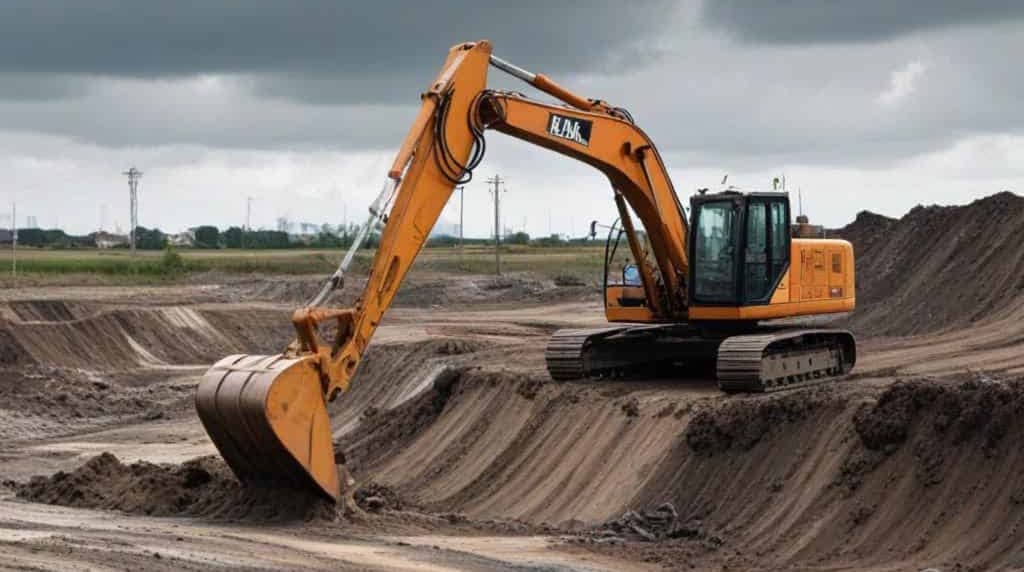
Brownfield redevelopment projects involve the transformation of previously developed, often contaminated, land into new, productive land uses. In the pursuit of sustainable development, efficient materials management plays a vital role in ensuring that these sites are remediated and prepared in an environmentally responsible and cost-effective manner. Materials management addresses the handling, treatment, transfer, and disposal of various materials found on brownfield sites, including soils, wastes, and construction materials, while seeking to maximise the potential for their reuse and recycling.
Materials management has become an essential aspect of brownfield redevelopment projects due to the growing emphasis on sustainable development, resource efficiency, and the circular economy. Furthermore, effective materials management practices are also required to comply with regulatory frameworks, such as the Waste Framework Directive, Environmental Permitting Regulations and the Landfill Tax.
This blog article aims to provide a comprehensive overview of the importance of materials management in brownfield redevelopment projects. We will outline the key benefits of effective materials management strategies, discuss the critical stages and best practices for implementation, and demonstrate how adopting a proactive approach to materials management can save costs, minimise waste, and contribute to the sustainable redevelopment of brownfield sites. By understanding and applying these principles, industry stakeholders involved in brownfield redevelopment projects can ensure successful and compliant outcomes while protecting the environment and generating lasting community benefits.
Key Benefits of Effective Materials Management
Implementing effective materials management strategies within brownfield redevelopment projects provides a range of benefits to developers, contractors, local authorities, and communities. Some of the key advantages include:
1. Cost Savings: By reusing, recycling, or recovering materials on-site, developers can reduce material procurement costs, minimise waste disposal fees, and potentially lower construction costs.
2. Environmental Benefits: Efficient materials management can contribute to lowering greenhouse gas emissions, conserving natural resources, and reducing negative environmental impacts associated with waste disposal, transport, and utilisation of virgin materials.
3. Regulatory Compliance: Comprehensive materials management ensures adherence to environmental laws, planning conditions, and industry guidance, decreasing the risk of fines, enforcement actions, and reputational damage.
4. Community Engagement: Effective materials management can help foster positive relationships with local communities, as sustainable development practices demonstrate a commitment to protecting the environment and public health.
Critical Stages of Materials Management Implementation
A proactive approach to materials management includes three main stages, which are essential in ensuring successful outcomes and adherence to best practices:
1. Pre-Development Planning: Effective materials management starts with thorough pre-development planning to evaluate the site’s condition, characterise soils and wastes, and evaluate available reuse and recycling opportunities.
2. Materials Management Plan (MMP): An MMP should be developed as part of the construction or remediation project, detailing the strategy for handling, tracking, and disposing of materials on-site. The MMP must be aligned with relevant environmental permits, waste exemptions, and planning conditions.
3. Execution, Monitoring, and Reporting: Effective materials management implementation requires ongoing monitoring of material flows and waste generation. Accurate record-keeping and reporting are crucial to demonstrate compliance with regulatory requirements and validate the project’s sustainability credentials.
Best Practices for Materials Management in Brownfield Redevelopment Projects
Successful materials management relies on the understanding and application of several best practices instrumental in achieving sustainable and cost-efficient outcomes:
1. Soil Classification and Waste Characterisation: Accurate soil classification and waste characterisation are vital in determining the best routes for managing and disposing of materials, as well as identifying potential reuse and recycling opportunities.
2. Segregation and Storage: Keeping different materials segregated and stored in designated areas helps maintain material quality, facilitates more efficient processing and disposal, and ultimately maximises reuse and recycling potential.
3. Collaboration and Expertise: Engage with experienced environmental consultants, waste management professionals, and construction teams to ensure the correct handling and disposal of materials in accordance with regulatory requirements and industry guidance.
4. Resource Efficiency Considerations: Adopt a holistic approach by considering aspects such as energy efficiency, water conservation, and sustainable sourcing of materials, in addition to waste minimisation and materials reuse.
Case Studies and Real-World Applications of Materials Management
Numerous brownfield redevelopment projects have successfully adopted efficient materials management strategies, showing positive outcomes for both sustainability and cost-effectiveness:
1. Olympic Park (London): During the London 2012 Olympic Park development, a Materials Management Plan was implemented, which saw the vast majority of excavated soil materials reused onsite, drastically diminishing the need for off-site disposal and new materials import, resulting in cost savings and reduced environmental impacts.
2. Hornsey Park (London): The Hornsey Park redevelopment project involved the excavation and remediation of an extensively contaminated brownfield site to create an urban park for the local community. A comprehensive materials management strategy enabled the reuse of more than 90% of existing site materials, requiring minimal off-site disposal and virgin material import, lowering overall project costs.
Conclusion
The importance of materials management in brownfield redevelopment projects cannot be understated, as it significantly contributes to sustainable and cost-efficient outcomes. Utilising best practices, such as soil classification, segregation, expert collaboration, and resource efficiency considerations, alongside a proactive, three-stage approach enables developers, contractors, and stakeholders to reap the numerous benefits of effective materials management. By adhering to relevant regulatory frameworks, industry guidance, and adopting efficient materials management strategies, those involved in brownfield redevelopment can ensure the successful transformation of these sites, foster positive community relationships, and pave the way for greener, more sustainable development in the future. Contact us today for brownfield remediation solutions.