“Turning contaminated wasteland into thriving communities is more than environmental cleanup—it’s the future of sustainable urban development.”
In the UK, brownfield sites—once the backbone of industrial progress—now represent opportunities for regeneration. Developers are faced with the dual challenge of remediation and meeting the government’s Biodiversity Net Gain (BNG) requirements introduced by the Environment Act 2021. This article explores how to navigate these complexities, providing critical insights into remediation techniques, biodiversity management, and compliance strategies.
What is Biodiversity Net Gain (BNG)?
Under the Environment Act 2021, every new development project in England covering more than 0.5 hectares or involving nine or more dwellings must achieve a minimum 10% biodiversity increase, maintained for at least 30 years. This means that brownfield developments are no longer just about clearing contaminated land but also about ensuring environmental sustainability. Using the Defra Biodiversity Metric tool, developers can calculate both the baseline biodiversity value of a site and the post-development score.
But why is this so critical, and how do we ensure it? Achieving these gains is often more complicated with previously developed sites than with greenfield, due to the naturally high biodiversity associated with the ‘open mosaic habitat’ of many brownfield sites; achieving the 10% uplift is difficult on-site and finding suitable donor land (off-site) near impossible leading to the last resort option of paying for biodiversity credits to achieve the 10% uplift.
Challenges in Remediating Brownfield Sites
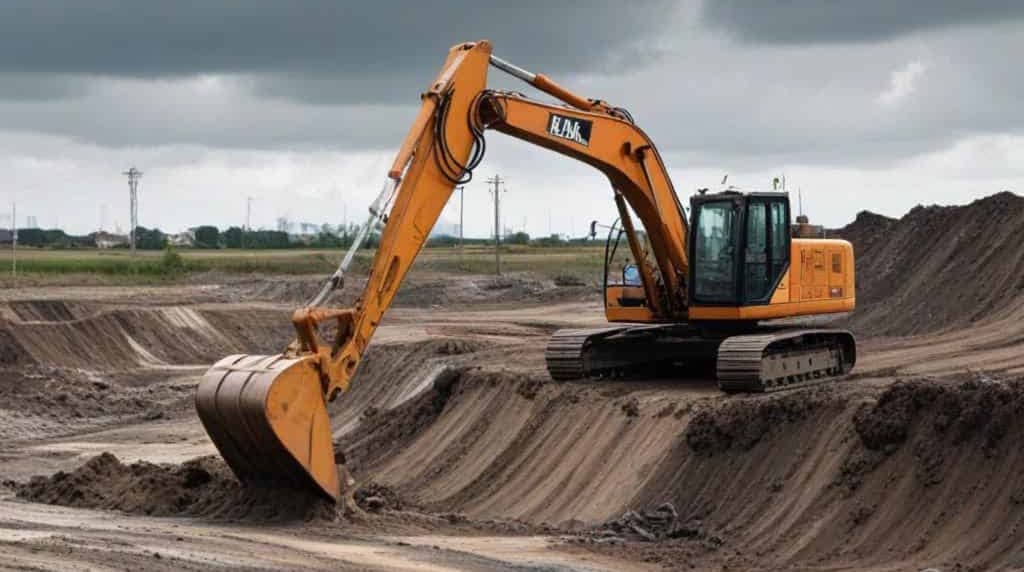
Brownfield sites often present a complex mix of contamination and biodiversity. From open mosaic habitats to contaminated soils, making these areas development-ready requires both innovation and sensitivity. Traditional remediation techniques—such as soil removal and the treatment of contaminants—are invasive and can damage these fragile ecosystems.
The real challenge lies in balancing biodiversity preservation with making the land safe for public use. Capping, for example, can effectively contain contaminants without disturbing biodiversity, but requires detailed planning and regulatory compliance.
The UK Environment Agency has strict guidelines for handling contaminated land, and failure to meet these regulations can result in costly project delays. Working with environmental specialists early on ensures that both remediation and biodiversity efforts proceed efficiently and within compliance.
Sustainable Approaches to Brownfield Remediation
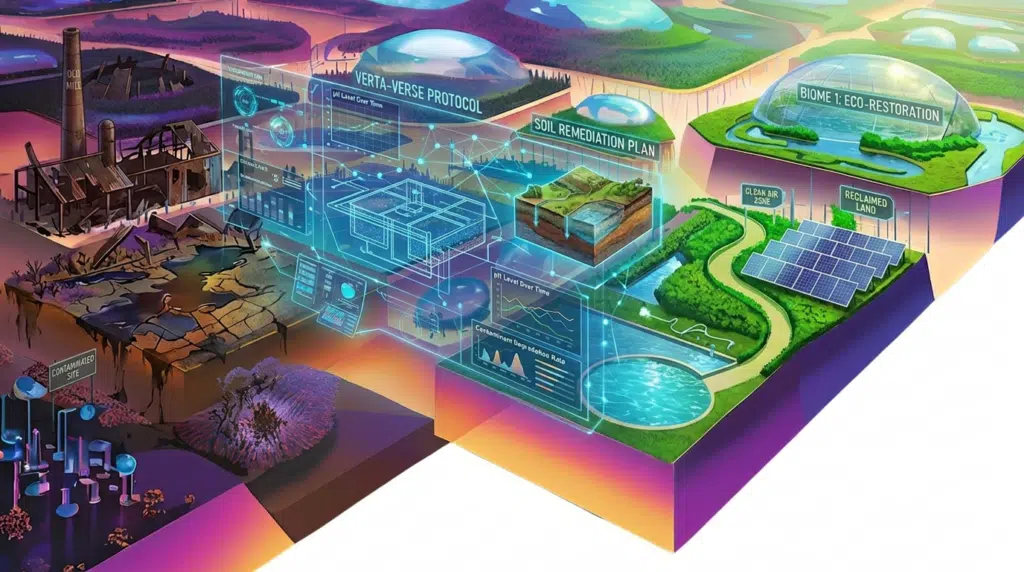
In line with green remediation principles, the focus should shift towards sustainable methods that minimise environmental impact. Techniques such as in-situ treatment, which involves cleaning up contaminants without removing soil, help reduce ecological disruption while still ensuring compliance with safety regulations.
However, managing the biodiversity on brownfield sites goes beyond merely containing contaminants. Green infrastructure, like creating wildlife corridors and maintaining open spaces, can help preserve and enhance biodiversity. Companies that specialise in sustainable remediation often employ solar-powered technology and carbon-neutral machinery to further reduce the environmental footprint during cleanup operations.
Moreover, recycling materials on-site, such as concrete or metals, can greatly reduce waste and resource consumption, ensuring the project aligns with sustainability goals set by the UK Green Building Council.

Regulations, Compliance, and Community Engagement
Regulatory compliance is essential when dealing with brownfield development. The Environment Agency oversees land remediation efforts, and adherence to BNG requirements means more than just improving biodiversity—it’s about ensuring long-term sustainability. Compliance with these regulations requires careful planning, and the use of Geographic Information Systems (GIS) can assist in monitoring the progress of biodiversity improvements.
Yet, no project is complete without engaging the community. Developers should view community involvement as a crucial part of the remediation process, helping to build trust and foster local support for redevelopment efforts. Regular communication with stakeholders, public forums, and transparent project updates can positively impact project success.
When a community feels involved, they are more likely to support the transformation of a previously neglected space into a thriving, usable public area. This approach not only ensures smoother project execution but also enhances the long-term success of these developments.
Finding the Balance: Profitability and Sustainability
The reality for many landowners and developers is that while brownfield sites offer prime locations for housing and commercial development, achieving BNG compliance can sometimes make these projects appear financially unviable. The remediation costs, coupled with reduced Net Developable Area (NDA) due to biodiversity enhancements, can create financial barriers. However, strategic planning, innovative remediation techniques, and potential government incentives can alleviate some of these concerns.
Engaging with companies experienced in both remediation and biodiversity management can help landowners navigate these financial challenges, allowing them to make the most of available land without sacrificing profitability.
The Future of Brownfield Development
Revitalising contaminated industrial sites is a critical aspect of sustainable urban development. Balancing the need for housing and commercial space with environmental sustainability is no easy feat, but with the right approach, these sites can become thriving, biodiverse community spaces. By focusing on green remediation practices, adhering to strict regulations, and involving the community, developers can turn neglected lands into valuable assets.
Brownfield sites are no longer wastelands; they represent the future of sustainable development. With thoughtful planning and innovative techniques, we can transform these areas into places that benefit both people and the planet.
For more information about our services and how we can assist with your remediation needs, visit VertaseFLI. We’d love to hear from you and discuss how we can help with your next project.