Environmental Impact Assessments (EIAs) are a vital tool in sustainable land development. But what do they actually involve, and why are they so important? EIAs help balance the needs of development with the health of the environment by identifying and addressing potential risks early on. This process allows developers to move forward responsibly, reducing the chance of environmental harm while ensuring projects comply with regulations. Understanding the role of EIAs helps protect natural ecosystems and promotes responsible development that benefits both people and the planet.
The process of an EIA can often seem like a formality, yet its implications are far-reaching. A well-conducted EIA influences project outcomes significantly, and developers often encounter several challenges during this critical phase. By exploring these questions, we aim to shed light on the complexities of environmental assessments and their impact on both biodiversity and community well-being, ensuring that every stakeholder understands the value and importance of thorough environmental scrutiny.
Understanding the Ecosystem: Before the Bulldozer
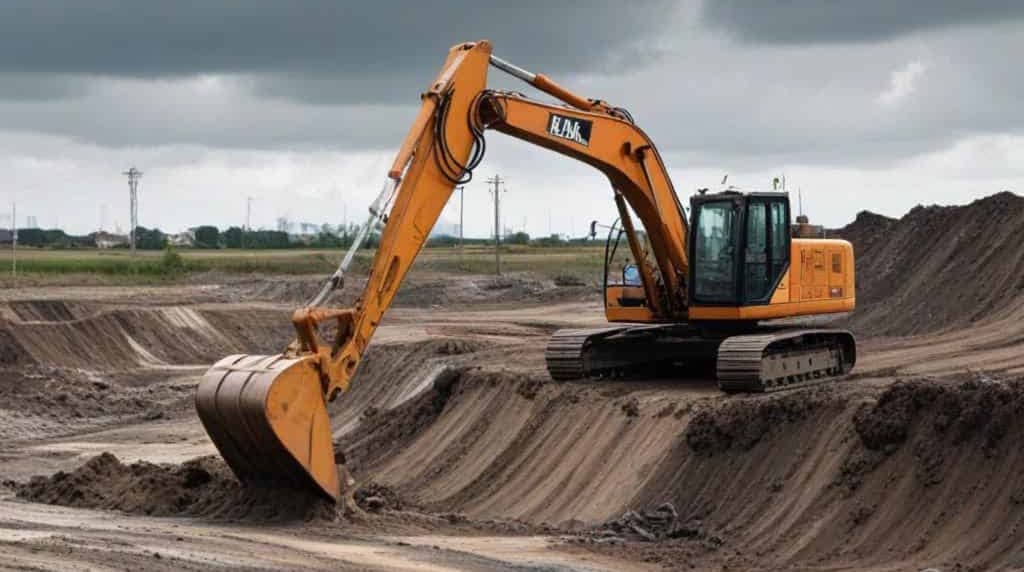
Land development projects can significantly alter the natural environment, often leading to irreversible changes in biodiversity and ecosystem services. Biodiversity, the variety of life in a particular habitat or ecosystem, is essential because it ensures natural sustainability for all life forms. However, when land is developed without considering these aspects, it can disrupt the natural balance, leading to severe ecological consequences.
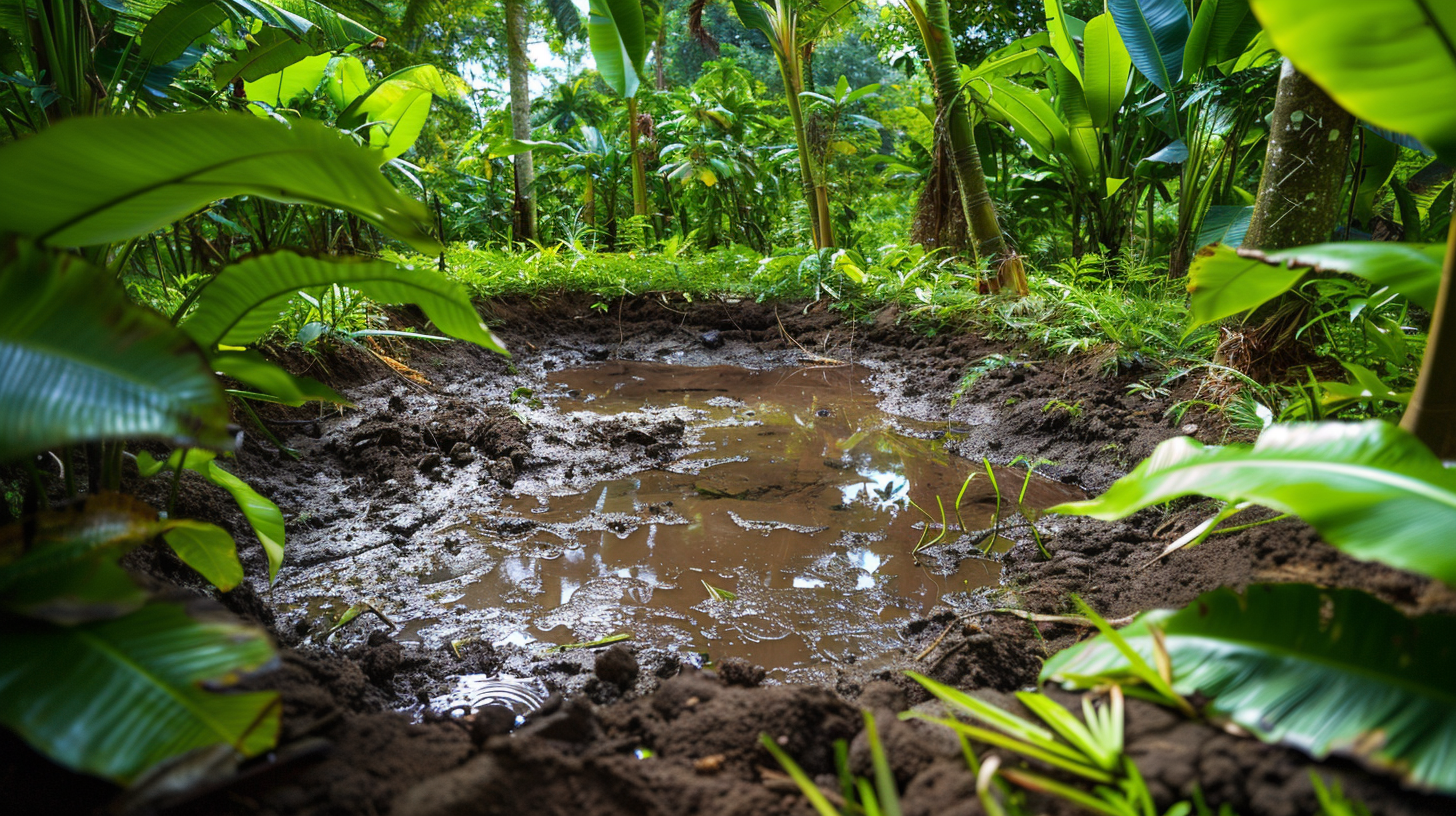
Ecosystem services, such as clean water, fresh air, and crop pollination, are essential for human survival, yet they are often overlooked during development. These services, provided by nature, play a vital role in our daily lives. Environmental Impact Assessments (EIAs) help protect these services by identifying and addressing potential risks before development starts. By integrating ecological data and predicting possible impacts, EIAs ensure that nature’s balance is preserved while development proceeds responsibly.
The importance of EIAs in this context cannot be overstated. They provide a systematic approach to understanding ecological dynamics and offer a platform for integrating sustainable practices into land development. This not only helps in maintaining biodiversity but also ensures the continued provision of essential ecosystem services.
The Process of Environmental Impact Assessments
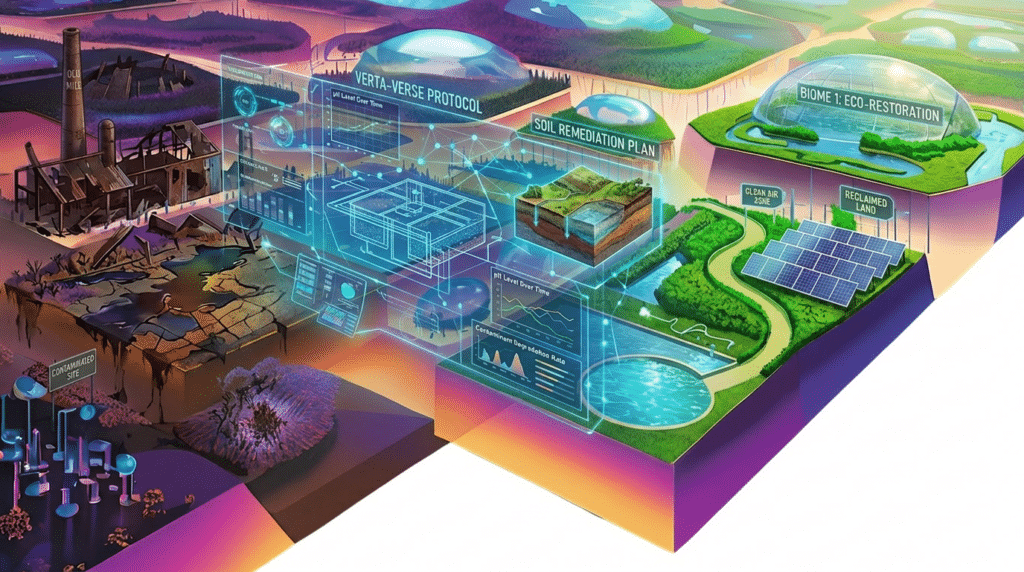
Conducting an Environmental Impact Assessment is a detailed process that requires thorough planning and analysis. It begins with a scoping stage, where the significant aspects of a project are identified. Next is the baseline condition assessment, which records the pre-project state of the environment. Based on this data, predictions are made about the project’s potential impacts, and strategies are developed to mitigate any negative effects.
Key components of an effective EIA report include:
- A comprehensive description of the proposed project
- An assessment of the potential environmental impacts
- Proposed mitigation measures
- A summary of data gaps and uncertainties
- Consultation with stakeholders
EIAs also need to comply with regional regulations, which typically require public consultation and exploration of alternative project designs. This helps ensure that EIAs aren’t just theoretical exercises but are practical tools that guide for sustainable development.
Case Studies: Lessons from the Field
Analysing successful EIAs provides valuable insights into best practices and effective strategies for sustainable land development. For example, a UK project showed that starting the EIA process early helped preserve wildlife habitats and improve water management, resulting in a more sustainable project that was embraced by the local community.
Common pitfalls in EIAs often include underestimating the project’s impacts, inadequate stakeholder involvement, and poor data quality. Learning from these mistakes is crucial. For example, gathering solid baseline data and maintaining open communication with everyone involved is essential to greatly boost the effectiveness of EIAs.

Beyond Compliance: EIAs as a Tool for Sustainable Development
While compliance with legal standards is a fundamental aspect of EIAs, their potential extends much further. EIAs can be seen as part of a broader corporate social responsibility strategy, reflecting a commitment to sustainable development and ethical practices. This approach not only reduces environmental impacts but also enhances the social licence to operate, fostering better relationships with communities and stakeholders.
Enhancing project viability through thorough EIAs involves:
- Identifying and addressing potential environmental and social impacts early in the project lifecycle
- Engaging with local communities to understand and incorporate their needs and concerns
- Using EIA findings to improve project design and operation, thus reducing costs and enhancing efficiency
Incorporating these elements into the planning and execution of development projects can lead to more sustainable, efficient, and accepted projects, demonstrating the far-reaching benefits of thorough environmental assessments.
By understanding and applying the lessons from detailed EIAs, developers can not only comply with regulatory requirements but also advance the sustainability of their projects, benefiting both the environment and the communities involved.
Conclusion: Reflecting on the Role of EIAs in Sustainable Development
Environmental Impact Assessments (EIAs) are essential for land development, bridging the gap between protecting the environment and pursuing development goals. They carefully assess potential impacts on biodiversity and ecosystem services, ensuring projects meet legal standards and follow sustainable practices. By integrating ecological factors from the start, EIAs help preserve our natural balance, supporting both biodiversity and community well-being.
Effective EIAs highlight the crucial role of detailed environmental review and stakeholder engagement in improving project outcomes. As we move forward, it’s clear that EIAs are key to responsible land development. The real challenge is to consistently apply these insights, ensuring that projects are both sustainable and beneficial for all stakeholders involved. Remember, the well-being of our planet and communities depends not just on the projects we build, but on the careful planning we put into them.
For more information about our services and how we can assist with your remediation needs, visit VertaseFLI. We’d love to hear from you and discuss how we can help with your next project.