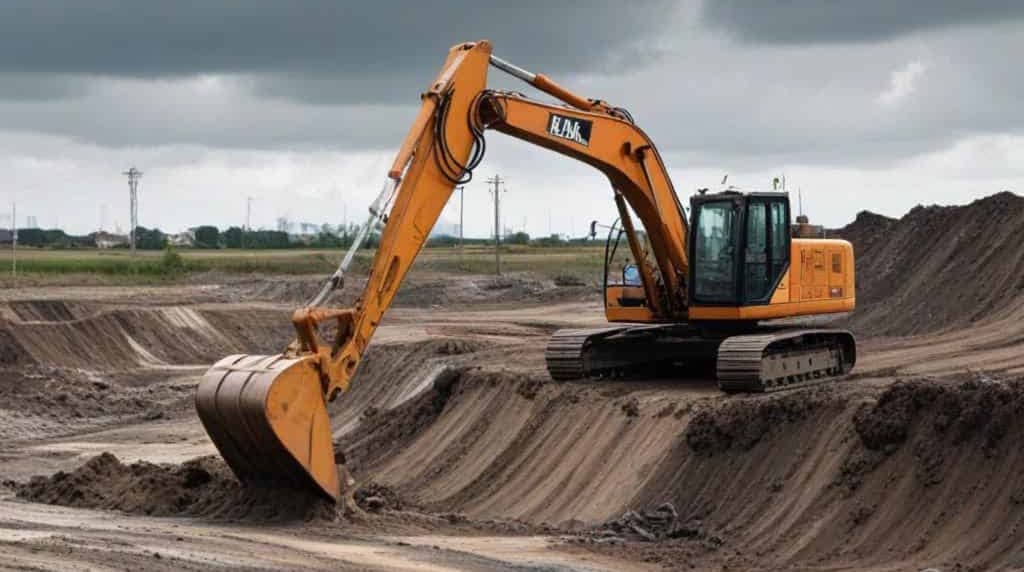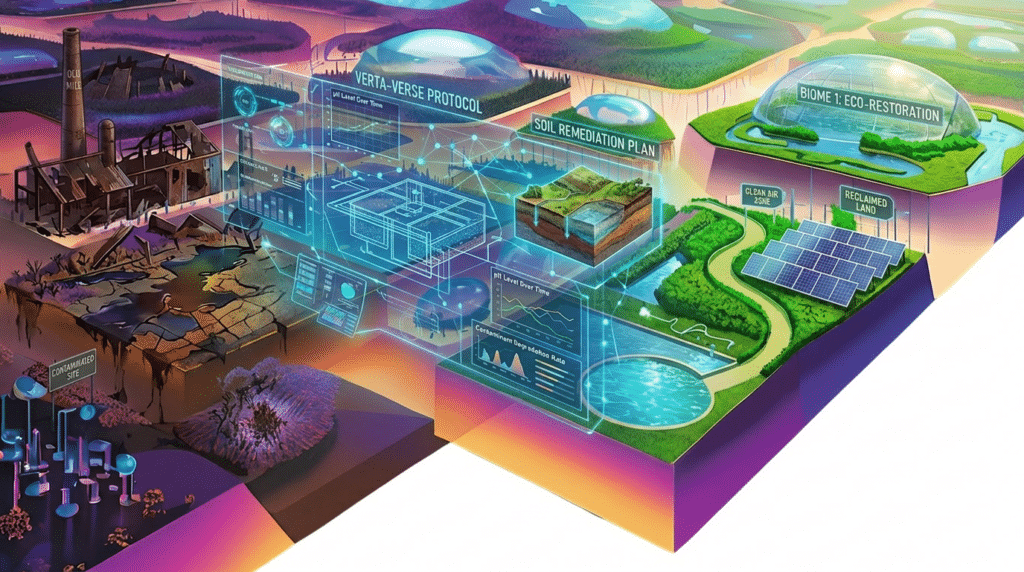
Landfill remediation plays a crucial role in managing the environmental and social impacts of waste disposal, tackling the challenges of soil and groundwater contamination while converting derelict spaces into valuable assets. As environmental contracting specialists servicing development, house building, manufacturing, and petrochemical sectors, VertaseFLI is well-equipped to address the complexities of landfill remediation projects.
This article explores the principles, methodologies, and benefits of landfill remediation and highlights our commitment to delivering innovative and sustainable solutions tailored to each project’s unique requirements. Learn how VertaseFLI’s expertise can help transform polluted sites into environmentally responsible and economically viable assets, contributing to the creation of healthier communities and a more sustainable future.
The Importance of Landfill Remediation
Landfill remediation is vital for addressing the environmental, social, and economic repercussions associated with improper waste disposal. As land becomes scarce, there is an increasing need to restore contaminated sites and unlock their potential for future development. Benefits of remediating landfills include:
1. Minimising Public Health Risks: Landfills can release hazardous substances into soil, water, and air, posing potential health threats. Remediation processes mitigate these risks by removing or neutralising contaminants.
2. Protecting the Environment: Through remediation, contaminants that may have seeped into groundwater or emitted into the atmosphere can be contained, preserving local ecosystems and biodiversity.
3. Economic Advantages: Reusing land originally designated for waste disposal creates new opportunities for housing, business, or commercial development, stimulating economic growth.
The Landfill Remediation Process
Our experts at VertaseFLI follow a systematic approach to landfill remediation, ensuring optimal results. The process typically involves the following steps:
1. Site Investigation: A preliminary assessment identifies potential hazards and environmental concerns, while a comprehensive site investigation analyses soil, groundwater, and gas samples to determine contamination levels and define remediation requirements.
2. Remediation Strategies: Our team designs a bespoke remediation strategy based on site conditions, regulatory requirements, and project goals. This may involve techniques such as containment, capping, in-situ treatment, or excavation and off-site disposal.
3. Remediation Implementation: We oversee the execution of the selected remediation strategy, ensuring quality and safety standards. This may involve the installation of containment barriers, soil treatment, or landfill gas management systems.
4. Monitoring and Reporting: Throughout the project, we perform regular monitoring to verify the effectiveness of the remedial measures. This information is compiled into progress reports, which provide valuable insights for stakeholders and regulatory authorities.
Innovative Technologies and Techniques for Landfill Remediation
Our team at VertaseFLI utilises cutting-edge technologies and techniques for efficient and sustainable landfill remediation. Some of these innovative approaches include:
1. Bioremediation: This biological treatment uses microorganisms to break down and remove contaminants from soil and groundwater. It is a cost-effective and environmentally friendly alternative to traditional remediation methods.
2. Phytoremediation: This technique involves planting specific vegetation on the landfill to uptake, degrade, or immobilise contaminants, improving soil quality and stability while reducing environmental risk.
3. Soil Vapour Extraction: This in-situ process extracts volatile organic compounds and other gaseous contaminants from the subsurface through a system of vacuum-induced wells, reducing the risk of air and groundwater pollution.
4. Electrokinetic Remediation: By applying an electric current to the contaminated soil, this technique causes electrochemical reactions that mobilise and separate pollutants, which can then be extracted and treated.
Landfill Aftercare and Reclamation
Following remediation, our services extend to landfill aftercare and reclamation. This phase ensures long-term site stability, environmental protection, and productive reuse. Aspects of landfill aftercare include:
1. Landfill Capping: We install caps, such as synthetic liners or engineered soil barriers, to prevent direct contact with the waste, minimise water infiltration, and reduce the emission of landfill gas.
2. Gas and Leachate Management: We implement landfill gas collection systems to capture and process released gas, while leachate control systems prevent the spread of contaminants into groundwater or surface water.
3. Site Monitoring: Regular monitoring of both environmental and operational aspects ensures that the landfill is safely maintained, allowing for timely identification and resolution of any issues.
4. Reclamation and Reuse: Once the site is verified as safe, our team develops a reclamation plan that may include soil placement, grading, and vegetation planting. We explore opportunities for site reuse, such as green spaces, recreational facilities, or commercial developments.
VertaseFLI’s Commitment to Health, Safety, and Environmental Protection
At VertaseFLI, we recognise the importance of prioritising health, safety, and environmental protection throughout landfill remediation projects. Our approach incorporates the following measures:
1. Compliance with Regulations: We adhere to the stringent guidelines set by regulatory authorities, ensuring responsible and sustainable project management.
2. Environmental Risk Assessment: We utilise comprehensive risk assessment tools to identify and mitigate potential hazards, maximising the safety of workers, communities, and the environment.
3. Education and Training: Our team members receive ongoing training in environmental health and safety practices, equipping them with the knowledge and expertise necessary to manage remediation projects effectively and responsibly.
4. Quality Management Systems: By implementing quality management systems, we aim for the highest possible standards, continually refining our processes and procedures to deliver exceptional results.
Case Studies and Project Successes
Our team at VertaseFLI has successfully executed numerous landfill remediation projects across the development, house building, manufacturing, and petrochemical sectors. These projects demonstrate our proficiency in handling complex scenarios and site-specific challenges, ensuring cost-effective and sustainable outcomes.
The successful transformation of these previously unusable sites into valuable assets is a testament to our expertise in landfill remediation and our commitment to creating healthier communities and environments.
Transforming Landscapes with VertaseFLI’s Landfill Remediation Expertise
Landfill remediation is a critical step in addressing the impacts of waste disposal and reclaiming valuable land for productive uses. At VertaseFLI, we are dedicated to delivering efficient, innovative, and environmentally responsible landfill remediation services to transform polluted sites into assets for the development, house building, manufacturing, and petrochemical sectors.
Partner with us to unlock the full potential of your construction projects by leveraging our experience, cutting-edge technologies, and commitment to health, safety, and environmental protection. Visit our website today to learn more about our services and discuss how our landfill remediation expertise can help convert contaminated land into valuable resources, allowing you to contribute to the sustainable development of communities and the environment. Together, let’s shape the future by rehabilitating landscapes and fostering long-term economic growth.