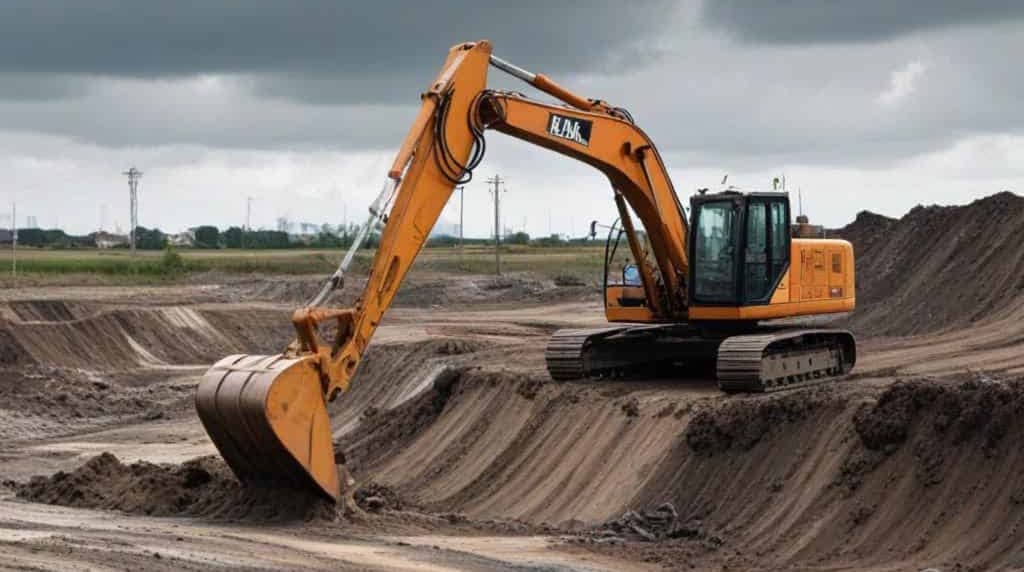
Soil vapour extraction (SVE) systems have emerged as a powerful and sustainable tool for the remediation of contaminated land, meeting the needs of various sectors, including development, house building, manufacturing, and petrochemical industries. These industries are faced with the dual challenge of maintaining environmental health and ensuring sustainable growth. VertaseFLI, a market leader in delivering complete remediation solutions and development-ready platforms, utilises soil vapour extraction systems as part of their comprehensive remediation services.
This article will delve into the science behind SVE systems, exploring the fundamentals of this innovative technology, its potential applications, and the advantages it offers in tackling soil and groundwater contamination. With a deep understanding of the science of soil vapour extraction, you’ll gain valuable insight into how VertaseFLI leverages this technique to deliver effective and eco-friendly remediation solutions for large-scale projects.
1: The Basics of Soil Vapour Extraction Systems
Soil vapour extraction (SVE) is an in-situ remediation technique designed to treat volatile organic compounds (VOCs) present in the unsaturated zone of soil, or vadose zone. The fundamental principle is based on inducing air or vapour flow through contaminated soil, causing the VOCs to volatilise and be captured by the air or vapour flow as it moves through the extraction system. The vapour is then vented to an above-ground treatment system where contaminants are removed, and the treated air is released back into the atmosphere. This innovative remediation technology offers significant advantages over traditional methods, such as excavations, providing a more sustainable and cost-effective solution for treating contaminated land.
2: How Soil Vapour Extraction Systems Work
Soil vapour extraction systems consist of several key components that work together to remove hazardous contaminants from soil:
1. Extraction Wells: These vertically installed wells penetrate the vadose zone and extract soil vapour using vacuum pumps. The design, spacing, and depth of extraction wells depend on the extent and nature of the contamination, soil properties, and site-specific conditions.
2. Vacuum Pump: The vacuum pump creates a negative pressure within the extraction wells, inducing air or vapour flow through the contaminated soil. This process promotes the volatilisation of VOCs, allowing them to be captured and transported to the surface.
3. Off-Gas Treatment: The extracted vapour containing VOCs is directed to an above-ground treatment system. Common treatment options include carbon adsorption, thermal oxidation, and condensation. The choice of treatment method depends on the type and concentration of VOCs present and regulatory requirements.
4. System Monitoring: Proper monitoring and control of vapour flow rates, extraction well vacuum pressure, and off-gas treatment performance are critical for efficient and effective SVE system operation. VertaseFLI employs advanced monitoring and control equipment to optimise the remediation process, ensuring regulatory compliance and the long-term success of their remediation projects.
3: Factors Affecting Soil Vapour Extraction System Performance
Multiple factors can influence the performance of SVE systems, and it is crucial to consider these variables to ensure successful remediation:
1. Soil Properties: Soil texture, porosity, permeability, and moisture content play significant roles in determining the effectiveness of SVE systems. High-permeability soils, such as sands and gravels, typically allow for more efficient vapour extraction when compared to low-permeability soils, such as clays.
2. Contaminant Properties: The effectiveness of SVE systems is directly influenced by the properties of VOCs, including their vapour pressure, solubility, and sorption characteristics. VOCs with higher vapour pressures are generally more easily extracted using SVE systems.
3. Site Conditions: Ambient temperature, atmospheric pressure, and groundwater levels may all impact the performance of SVE systems. These factors can affect the rate of vapour extraction, the distribution of contaminants in the soil, and the efficiency of the off-gas treatment process.
4. System Design: Optimal SVE system design is essential to maximise system performance and achieve successful remediation. This requires thorough site investigation, accurate assessment of contaminant distribution, and detailed understanding of both soil properties and the targeted VOCs.
4: Advantages of Soil Vapour Extraction Systems
SVE systems offer several distinct benefits over other remediation techniques, making them an attractive option for contaminated land remediation:
1. In-Situ Treatment: SVE systems treat contaminants directly in the soil, reducing the need for excavation or removal of contaminated material, leading to cost savings and reduced environmental impact.
2. Sustainable Remediation: SVE technology significantly reduces the generation of waste material, promotes the reuse of natural resources, and minimises the environmental footprint of remediation projects.
3. Cost-Effectiveness: When compared to traditional excavation and disposal methods, SVE systems often prove more cost-effective due to reduced waste management and transportation requirements.
4. Versatility: SVE systems can be tailored to suit a wide variety of site conditions and contamination levels, making them a flexible remediation option for various industries and applications.
5: Applications and Success Stories of Soil Vapour Extraction Systems
VertaseFLI’s expertise in SVE implementation can be seen through several successful remediation projects across various sectors:
1. Petroleum Hydrocarbon Remediation, Bristol:
VertaseFLI employed a combination of SVE, in-situ bioremediation, and excavation for this former fuel storage site to treat significant ground gas and petroleum hydrocarbon contamination, which provided significant risk management and cost-saving benefits.
2. Chlorinated Solvent Remediation, Midlands:
For this former manufacturing site, VertaseFLI successfully designed and implemented a soil vapour extraction system to mitigate the risks associated with the presence of chlorinated solvents in the vadose zone, enabling the safe reuse of the site for future development.
These successful projects illustrate the potential and adaptability of soil vapour extraction systems in the remediation of contaminated land, further demonstrating VertaseFLI’s commitment to innovative and effective solutions for industries in the UK.
Conclusion
In conclusion, soil vapour extraction systems stand out as versatile, cost-effective, and sustainable remediation solutions for treating contaminated land, offering benefits across the development, house building, manufacturing, and petrochemical sectors. VertaseFLI’s expertise in SVE implementation ensures optimal system performance and regulatory compliance, helping to transform problematic pollution concerns into safe and revitalised spaces. Embark on the journey towards a greener, healthier, and more sustainable future, knowing that the science of soil vapour extraction is working in harmony with your development goals.