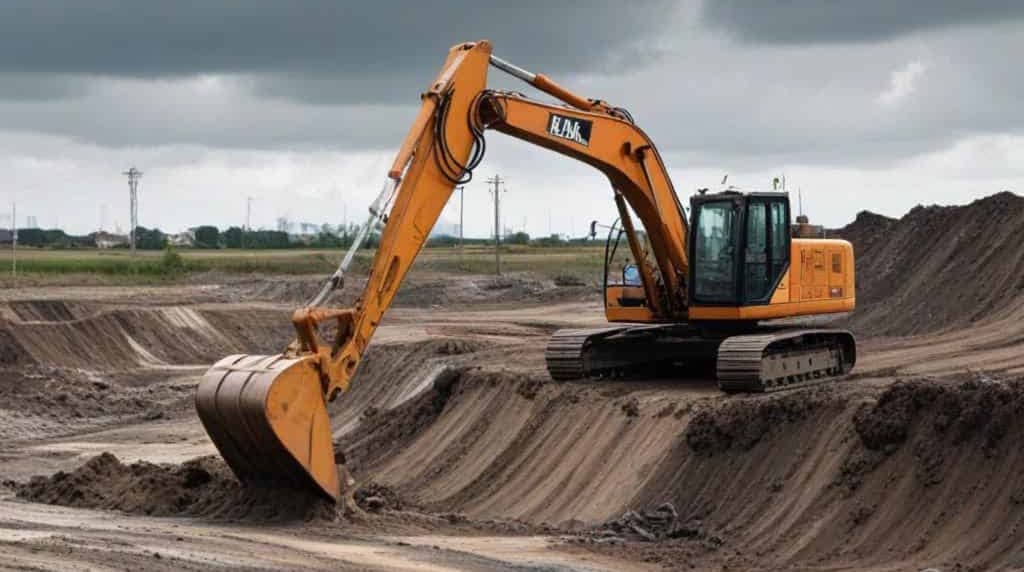
As urban landscapes expand and pressure on land resources increases, the need for effective contaminated land remediation has become critical for industries in the United Kingdom. VertaseFLI, an expert in delivering complete remediation solutions, supports the development, house building, manufacturing, and petrochemical sectors by providing development-ready platforms through a comprehensive range of remediation techniques. This article will delve into the complex challenges of contaminated land remediation and outline VertaseFLI’s holistic approach, which incorporates a range of innovative techniques and expertise in regulatory compliance and sustainability. Join us as we explore the importance of remediation in today’s evolving environmental landscape and how VertaseFLI is working towards building a greener future by transforming contaminated sites into safe, environmentally sound, and productive land resources.
1: The Challenge of Contaminated Land Remediation
Contaminated land remediation is a complex process that addresses the environmental and health risks posed by polluted sites. Industrial activity, waste disposal, and historic land use have contributed to widespread soil and groundwater contamination across the UK. The need for effective remediation has become increasingly urgent as demand for land resources rises and regulatory requirements tighten. Contaminated land remediation encompasses several techniques, from traditional excavation and disposal to innovative in-situ treatments. VertaseFLI’s expertise lies in providing a comprehensive, tailored approach to meet the unique challenges of each site, resulting in safe and development-ready platforms.
2: Understanding the Key Principles of Remediation
VertaseFLI’s approach to contaminated land remediation is built upon several guiding principles:
1. Risk Assessment: Identifying potential risks and hazards associated with contaminated sites is crucial for effective remediation. VertaseFLI conducts thorough risk assessments, considering the complex interplay of soil, groundwater, and human health factors.
2. Regulatory Compliance: VertaseFLI ensures adherence to UK regulations such as the Environmental Permitting Regulations, Waste Duty of Care, and the Model Procedures for the Management of Land Contamination (CLR11).
Source: https://www.gov.uk/government/publications/managing-land-contamination
3. Sustainability: Remediation processes should minimise environmental impact and contribute to sustainable development. VertaseFLI incorporates sustainable strategies such as resource efficiency, waste reduction, and ecological preservation into their remediation approach.
4. Stakeholder Engagement: Effective communication with stakeholders, including regulators, contractors, and local communities, is essential for successful remediation projects. VertaseFLI maintains open lines of communication, providing transparency and facilitating collaboration.
3: VertaseFLI’s Remediation Techniques
VertaseFLI utilises a range of innovative and proven remediation techniques, selecting the most appropriate method based on site-specific conditions and objectives:
1. Excavation and Disposal: Traditional methods of removal and disposal of contaminated soil may be employed in cases where the risk is severe and immediate. VertaseFLI adheres to safe and responsible excavation, transport, and disposal practices.
2. In-Situ Treatment: VertaseFLI uses various in-situ techniques, such as soil mixing, bioremediation, and chemical oxidation, to treat contaminated soil and groundwater directly at the site. These methods minimise off-site waste generation, reduce transport requirements, and promote long-term site stability.
3. Stabilisation and Solidification: For contaminated sites where removal is not viable, VertaseFLI can implement soil stabilisation and solidification processes. These techniques immobilise contaminants within the soil matrix, preventing further migration and reducing the risk of exposure.
4. Sustainable Remediation Technologies: VertaseFLI utilises innovative and sustainable remediation technologies such as phytoremediation, phytoextraction, and mycoremediation, which employ plants or fungi to remove or degrade contaminants without the need for intensive interventions.
4: Case Studies in Contaminated Land Remediation
VertaseFLI’s comprehensive approach to contaminated land remediation can be seen in their successful project outcomes:
1. Project: Petroleum Hydrocarbon Remediation, Bristol:
Overcoming significant ground gas and petroleum hydrocarbon contamination, VertaseFLI utilised a mix of excavation, in-situ bioremediation, and soil vapour extraction to deliver a development-ready platform in Bristol, with a significant focus on stakeholder engagement and sustainability.
2. Project: Heavy Metal Remediation, South Wales:
VertaseFLI addressed heavy metal contamination at a former service station in South Wales by employing a combination of excavation and disposal, in-situ treatment, and sustainable landscaping. The resulting site met regulatory standards while promoting ecological restoration.
5: Challenges and Opportunities in the Future of Contaminated Land Remediation
As contaminated land remediation evolves to meet ever-changing environmental and regulatory challenges, VertaseFLI is at the forefront:
1. Legislation Changes: VertaseFLI’s commitment to regulatory compliance ensures their processes adapt to accommodate shifting legal requirements and adhere to the latest best practices.
2. Innovative Technologies: The continuous development of new remediation techniques presents opportunities for more efficient, effective, and sustainable solutions. VertaseFLI is dedicated to researching and implementing state-of-the-art remediation technologies to consistently deliver optimal results.
3. Climate Change Resilience: Contaminated land remediation contributes to the development of climate-resilient infrastructure and landscapes. VertaseFLI promotes resilience measures such as adaptive land use, flood management, and carbon sequestration in their remediation projects.
4. Community Involvement: Engaging communities and stakeholders in the remediation process will be increasingly essential as public awareness and environmental concerns grow. VertaseFLI prioritises stakeholder involvement, enhancing collaboration and building trust amongst all parties involved.
6: The Importance of Comprehensive Remediation for Sustainable Development
Contaminated land remediation plays a vital role in responsible urban development, environmental protection, and the health and safety of communities. VertaseFLI’s comprehensive approach ensures that contaminated sites are transformed into safe, sustainable, and development-ready platforms, supporting the future growth of key sectors in the UK. By incorporating innovative techniques, regulatory compliance, and stakeholder engagement, VertaseFLI demonstrates its commitment to achieving the best possible outcomes for both clients and the environment. The continued success of VertaseFLI in delivering industry-leading contaminated land remediation services provides a strong foundation for sustainable development across various sectors, benefiting the environmental landscape and the UK economy.
Embracing Sustainable Remediation with VertaseFLI for a Cleaner Future
In conclusion, VertaseFLI’s comprehensive contaminated land remediation approach is essential for sustainable development in the UK. By tackling complex environmental challenges with innovative techniques, regulatory compliance, and stakeholder engagement, VertaseFLI supports key industries such as development, house building, manufacturing, and petrochemical sectors. Implementing remediation works that balance safety, sustainability, and practicality, VertaseFLI is a driving force in transforming polluted sites into environmentally responsible and productive resources. Don’t hesitate to take your first step towards building a greener, safer, and more sustainable future for your business and the environment with VertaseFLI.