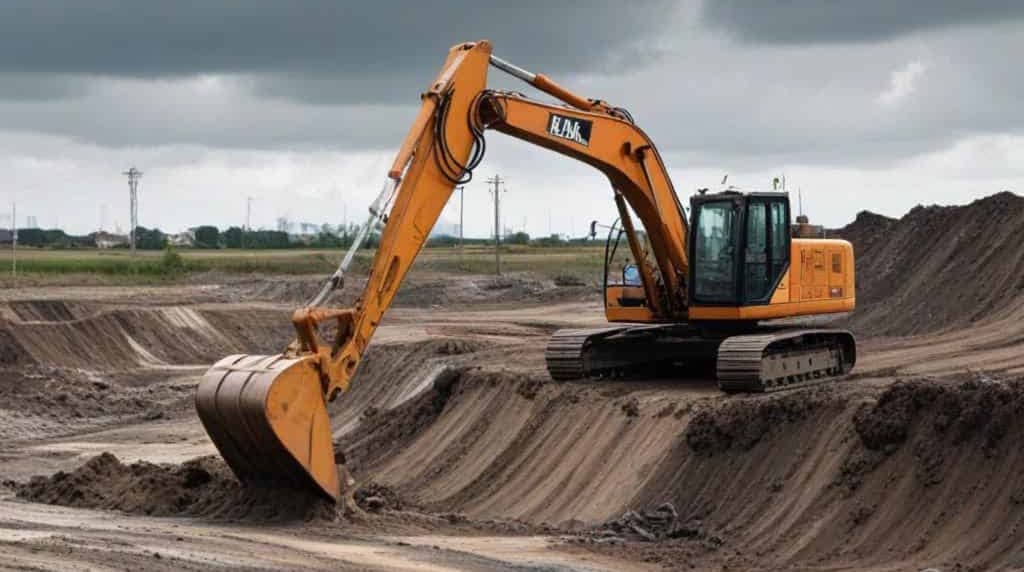
Asbestos contamination poses significant health risks and challenges for large-scale development projects, specifically in the development, house building, manufacturing, and petrochemical sectors. This hazardous material requires specialist attention and thorough remediation solutions to ensure land is safe, compliant, and ready for redevelopment. VertaseFLI, a UK leader in delivering complete remediation solutions, focuses on sustainable land remediation relief to combat the complexities of asbestos contamination. This article will explore the intricate process of remediating asbestos-contaminated land, the sustainable methods that VertaseFLI adopts, and the essential safety precautions taken throughout remediation efforts. Gain invaluable insights into the sustainable land remediation relief provided by VertaseFLI, and learn how their expertise is essential for diminishing the risks associated with asbestos contamination, paving the way for greener and safer development projects.
1: Overview of Asbestos Contamination
Asbestos is a naturally occurring fibrous material known for its heat resistance, tensile strength, and insulation properties. Due to these qualities, it gained widespread use in construction, insulation, and various industries from the late 19th century until the late 20th century. However, prolonged exposure to asbestos has been recognised to cause severe health problems like asbestosis, lung cancer, and mesothelioma. Consequently, asbestos usage and disposal are heavily regulated. Asbestos contamination can be found in old buildings, industrial sites, soil, and waste disposal facilities, posing both health risks and an environmental burden.
2: Challenges of Asbestos Contamination Remediation
Effective remediation of asbestos-contaminated land presents several challenges that must be addressed, including:
1. Identification and Assessment: Accurate detection, identification, and quantification of asbestos contamination require a thorough site investigation, analysing different types of asbestos materials and contamination levels.
2. Regulatory Compliance: Asbestos remediation must follow strict regulatory guidelines to ensure the protection of health, safety, and the environment. UK regulations like Control of Asbestos Regulations 2012 (CAR 2012) and Health and Safety at Work Act 1974 mandate rigorous safety measures and remediation protocols.
3. Sustainable Solutions: Implementing remediation strategies has to balance the removal and disposal of contaminated material with minimising the environmental impact, generating waste, and resource consumption.
3: VertaseFLI’s Sustainable Approach to Asbestos Remediation
VertaseFLI provides end-to-end asbestos remediation solutions that prioritise sustainability, safety, and practicality. To accomplish this, they follow a comprehensive process designed to deliver effective relief from asbestos contamination:
1. Site Investigation & Risk Assessment: VertaseFLI conducts thorough site investigations and risk assessments to identify asbestos types, distribution, and contamination levels. Sampling and analysis take place following existing guidelines such as HSG248 The Analysts’ Guide and HSG264 Asbestos: The Survey Guide.
2. Remediation Design & Strategy: Based on site investigation findings and risk assessments, VertaseFLI devises a tailored remediation plan incorporating site-specific solutions to ensure efficient removal and disposal of asbestos-contaminated materials. This may include soil washing, excavation, and containment strategies.
3. Work Execution: Remediation work is carried out by a qualified team of asbestos remediation professionals who adhere to rigorous safety protocols. VertaseFLI utilises specialised equipment, personal protective equipment (PPE), and techniques to maintain safe working conditions and minimise the spread of asbestos fibres.
4. Waste Management & Recycling: VertaseFLI focuses on sustainable methods for managing asbestos-contaminated waste in a responsible manner. This may include recycling uncontaminated materials, encapsulation, or off-site disposal with licenced waste carriers who comply with hazardous waste regulations.
4: Safety Precautions during Asbestos Remediation Projects
While remediation work is in progress, strict safety measures are essential to limit exposure risks and maintain a safe working environment:
1. Air Monitoring: Continuous air monitoring helps identify airborne asbestos fibres during remediation. This control measure ensures the adequacy of containment efforts and provides real-time data on exposure risks.
2. PPE: Workers undertaking asbestos remediation duties must wear appropriate PPE, including respiratory protection, overalls, gloves, and safety footwear.
3. Training: VertaseFLI’s staff receive training in asbestos awareness, handling, and disposal, ensuring they are fully prepared to tackle asbestos remediation tasks safely and effectively.
4. Encapsulation and containment: Where appropriate, asbestos-containing materials (ACMs) may be encapsulated or contained on-site to prevent the release of asbestos fibres during remediation.
5: Case Studies of Successful Asbestos Contamination Relief Projects
VertaseFLI has successfully managed and remediated asbestos-contaminated land across various sectors, showcasing their expertise in addressing this complex challenge:
1. Asbestos removal from the topsoil of a residential development site:
VertaseFLI remediated asbestos contamination on a 9.5-hectare residential development site by removing, segregating, and disposing of asbestos-contaminated topsoil. This project required strict adherence to safety protocols and demonstrated the efficiency of VertaseFLI’s asbestos remediation practices.
2. Soil washing for asbestos remediation on a brownfield site:
VertaseFLI employed a soil washing method for an urban brownfield site impacted by asbestos, reducing the need for off-site waste disposal of excavated material. This innovative, sustainable solution showcases the company’s commitment to pursuing environmentally responsible asbestos remediation strategies.
These success stories substantiate the value of VertaseFLI’s comprehensive approach to asbestos contamination relief, offering clientele an environmentally-sound and cost-effective remediation solution.
6: Achieve Asbestos Remediation Success with VertaseFLI
In summary, asbestos contamination presents significant challenges for various industries, necessitating sustainable, effective, and compliant remediation works. VertaseFLI stands at the forefront of providing eco-conscious and efficient solutions for mitigating the risks associated with asbestos-contaminated land. With a comprehensive and tailored approach, VertaseFLI ensures safe and successful asbestos remediation for development, house building, manufacturing, and petrochemical sectors. To maximise the safety and sustainability of your projects, partner with the experts at VertaseFLI for any asbestos remediation needs.