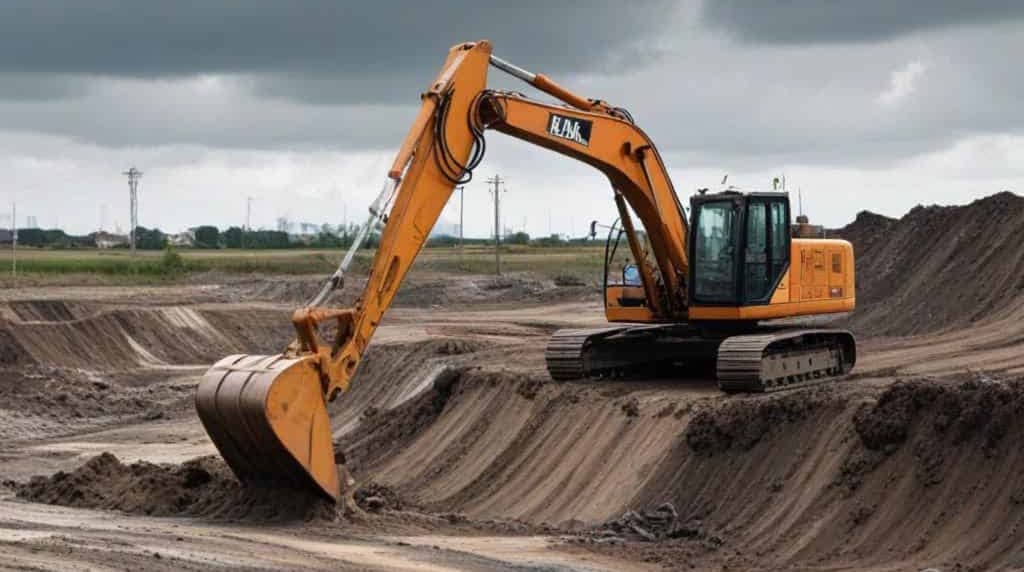
Contaminated land and brownfield sites represent significant environmental challenges, as they often result from past industrial activities that have left hazardous pollutants in the soil, groundwater, or air. When left untreated, these pollutants can pose risks to human health and ecosystems, hinder sustainable land use, and reduce the long-term viability of property developments. Consequently, there is an increasing need for remediation approaches that effectively address these risks while minimising environmental impacts and promoting sustainable development – making sustainable remediation practices a crucial consideration for developers, investors, and regulatory authorities alike.
Sustainable remediation refers to the process of assessing, managing, and mitigating the environmental impacts associated with contaminated sites in a manner that balances ecological, social, and economic factors. It aims not only to restore the land to a condition suitable for its intended use but also to preserve natural resources, enhance social benefits, and reduce the project’s overall ecological footprint.
In this guide, we aim to provide insights into the importance of sustainable remediation practices for contaminated land and brownfield sites, while offering a framework for understanding, evaluating, and implementing green remediation methods. We will discuss the fundamentals of sustainable remediation, describe various cutting-edge techniques, and highlight the benefits of implementing these methods in contaminated land remediation projects. Moreover, by showcasing VertaseFLI’s expertise and experience in delivering sustainable remediation solutions across different sectors, this guide will demonstrate the company’s ongoing commitment to meeting the industry’s evolving needs and promoting sustainable land use practices.
The Fundamentals of Sustainable Remediation
Sustainable remediation goes beyond traditional land remediation treatments to create a more holistic approach encompassing social, economic, and environmental factors. The key principles of sustainable remediation include:
1. Resource Efficiency: Maximising the efficient use of materials, energy, water, and other resources during remediation activities.
2. Waste Minimisation: Implementing waste management strategies such as reduction, reuse, and recycling to mitigate waste generation during remediation processes.
3. Emission Control: Adopting measures to limit greenhouse gas emissions and minimise the environmental impact of remediation activities.
4. Socioeconomic Benefits: Ensuring that the remediation process contributes positively to the local community through job creation, preserving cultural heritage, and enhancing social equity.
By embracing these principles, sustainable remediation aims to deliver transformative approaches to land remediation and recovery, with a focus on long-term environmental, social, and economic resilience.
Cutting-Edge Sustainable Remediation Techniques
A variety of innovative sustainable remediation techniques have emerged in recent years, offering new alternatives to traditional land remediation practices. Some of these cutting-edge methods include:
1. In-Situ Treatment: Rather than excavating and treating contaminated material off-site, in-situ treatment involves applying physical, chemical, or biological processes directly within the contaminated soil or groundwater to reduce pollutant concentrations. This approach can minimise waste and transportation, reduce greenhouse gas emissions, and lower costs.
2. Bioremediation: This biological technique utilises microorganisms or plants to break down hazardous substances into less toxic or harmless products. Bioremediation can be cost-effective, resource-efficient, and less intrusive than other remediation methods, making it a highly sustainable option.
3. Phytoremediation: This plant-based process involves using vegetation to uptake, break down, or stabilise pollutants in the soil, water, or air. Phytoremediation can deliver multiple benefits, such as improving soil quality, providing wildlife habitat, and enhancing the aesthetics of the remediated site.
By understanding and incorporating these innovative techniques into contaminated land remediation projects, developers and project managers can take significant strides towards achieving sustainable remediation goals.
The Benefits of Sustainable Remediation
The adoption of sustainable remediation methods offers several benefits to project stakeholders and the environment, such as:
1. Cost Savings: Sustainable remediation practices can lead to significant cost savings over traditional land remediation approaches, particularly in terms of reduced resource consumption, transportation, and waste disposal.
2. Reputation Enhancement: Companies that adopt sustainable remediation methods can improve their public image and credibility by demonstrating a commitment to environmental stewardship and social responsibility.
3. Minimised Environmental Impacts: Sustainable remediation reduces resource use, emissions, and waste generation, resulting in lower environmental impacts and a decreased ecological footprint for remediation projects.
4. Regulatory Compliance: Aligning remediation efforts with sustainable practices can result in better compliance with environmental regulations and policies, thus reducing the risk of fines or sanctions.
5. Social and Economic Benefits: Sustainable remediation projects can contribute positively to the local community through job creation, economic development, and the preservation of cultural and natural assets.
By realising these benefits, sustainable remediation approaches offer a forward-thinking solution to addressing environmental challenges and fostering long-term land rehabilitation success.
VertaseFLI’s Expertise in Sustainable Remediation
VertaseFLI is a leading specialist in contaminated land, brownfield, and environmental contracting, with a proven track record in delivering sustainable remediation solutions for clients across various sectors. VertaseFLI’s commitment to sustainable remediation is demonstrated by:
1. Tailoring Remediation Strategies: VertaseFLI develops bespoke remediation strategies that incorporate sustainable techniques and practices, ensuring efficient resource use, minimal environmental impacts, and positive socioeconomic outcomes.
2. Leveraging Cutting-Edge Technologies: VertaseFLI employs innovative in-situ, bioremediation, and phytoremediation technologies to deliver effective and sustainable land remediation solutions that meet clients’ needs.
3. Collaborating with Stakeholders: VertaseFLI works closely with clients, regulators, and other stakeholders to ensure that remediation projects align with relevant policies, regulations, and standards, while also fostering community engagement and support.
4. Tracking Performance Metrics: VertaseFLI continually measures and evaluates the performance of sustainable remediation projects against established environmental, social, and economic criteria, driving ongoing improvement and optimisation.
Conclusion
As demand for sustainable land use practices grows, so does the importance of adopting sustainable remediation approaches for contaminated land and brownfield sites. By understanding the fundamentals of sustainable remediation, exploring innovative techniques, and recognising the benefits these practices offer, developers and project managers can make more informed decisions when addressing the challenges of contaminated land. VertaseFLI’s expertise and experience in delivering sustainable remediation solutions further showcase the company’s dedication to meeting the evolving needs of the industry while promoting a more sustainable and resilient future for land rehabilitation projects.