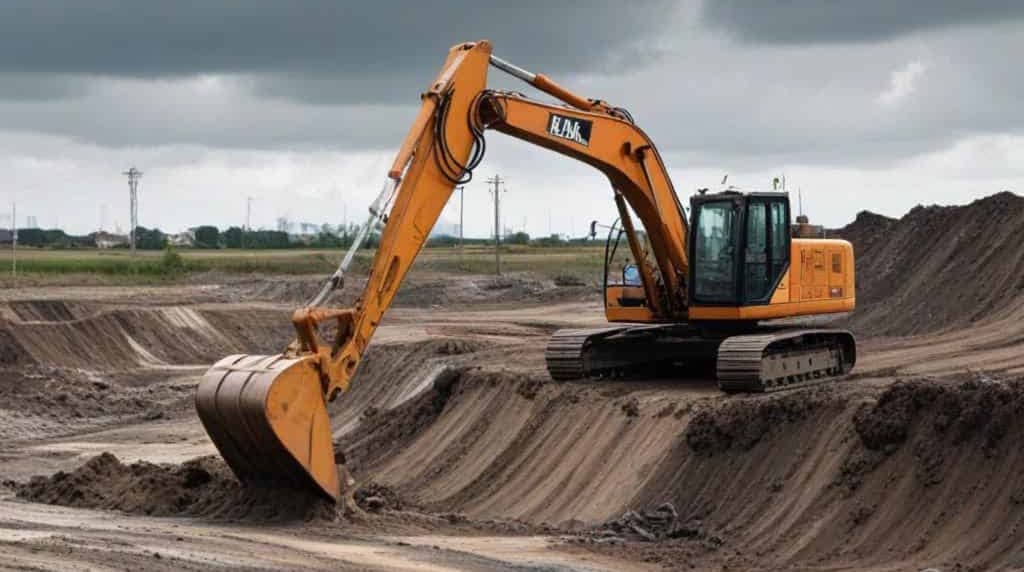
Asbestos is a naturally occurring mineral widely used in construction, insulation, and manufacturing due to its unique properties, such as its durability, fire resistance, and insulating capabilities. However, asbestos is a known carcinogen posing severe health risks when its fibres become airborne and are inhaled. Consequently, asbestos-containing materials (ACMs) are a significant concern in brownfield redevelopment projects where historical industrial activities or building demolitions may have left behind asbestos-contaminated soil.
Managing asbestos-contaminated land is crucial for the safety of site workers, surrounding communities, and the environment. Moreover, it ensures compliance with the relevant regulatory framework to protect human health and prevent asbestos exposure. Addressing asbestos on brownfield sites requires a deep understanding of its health risks, potential sources, and applicable remediation strategies. Proper planning, assessment, and management of asbestos-contaminated land are essential for delivering safe and successful development projects.
In this guide, we will explore the risks associated with asbestos in brownfield sites and identify the potential sources of asbestos contamination. We will also discuss the legal requirements and guidelines for managing asbestos-contaminated land to ensure compliance during redevelopment projects. Additionally, we will delve into various remediation techniques for effectively managing asbestos in brownfield sites, such as in-situ encapsulation, soil washing, and off-site disposal. Lastly, we will showcase VertaseFLI’s expertise in asbestos management and its capabilities in delivering safe and successful development projects involving asbestos-contaminated land.
Understanding Asbestos Risks
Asbestos poses a serious health hazard, especially when its fibres become airborne and are inhaled. Long-term asbestos exposure can lead to severe respiratory illnesses and diseases, including asbestosis, lung cancer, and mesothelioma. Brownfield sites with a history of industrial activities or previous building demolitions may be contaminated with asbestos fibres. Potential sources of asbestos in brownfield sites include:
- Soil Contamination: Asbestos fibres can contaminate the soil due to the disturbance or disposal of asbestos-containing materials (ACMs) from previous industrial activities or demolition works. Such contamination can risk site workers, nearby residents, and the environment if not managed correctly.
- Buried ACMs: In some cases, asbestos-containing materials may have been buried or dumped on the brownfield site, leading to potential exposure during excavation and groundwork activities.
- Building Remnants: Asbestos may be present in the remnants or debris of demolished buildings, including insulation, roofing materials, or fire-resistant structures.
Recognising the potential sources of asbestos in brownfield sites is an essential first step in understanding the site-specific risks and determining the most effective management and remediation strategies.
Regulatory Framework for Asbestos-Contaminated Land
In the UK, the management of asbestos-contaminated land is subject to a strict regulatory framework to protect human health and the environment. Key aspects of this framework include:
- Health and Safety Legislation: The Control of Asbestos Regulations 2012 mandates that employers and owners of premises have a legal duty to manage the risk from asbestos in their properties, including during demolition and redevelopment works.
- Environmental Legislation: The Environmental Protection Act 1990 and The Environmental Permitting (England and Wales) Regulations 2016 outline the legal framework for the handling, treatment, and disposal of waste containing asbestos to prevent harm to human health and pollution of the environment.
- Planning Requirements: Planning authorities may impose specific conditions on planning permissions related to investigating and managing asbestos-contaminated land and implementing appropriate remediation measures.
Compliance with the regulatory framework is critical for successfully managing asbestos risks in brownfield development projects, ensuring the safety of workers, residents, and the wider environment.
Asbestos Remediation Strategies in Brownfield Sites
Several remediation strategies can be employed to manage and mitigate risks associated with asbestos-contaminated land in brownfield sites. The choice of a suitable remediation technique will depend on the site-specific conditions, level of contamination, and project objectives. Some of the most common strategies include:
- In-Situ Encapsulation: In some cases, it may be possible to encapsulate the asbestos-contaminated material on-site by covering it with a protective barrier such as a geotextile membrane, clay, or other suitable materials. This method helps to prevent the release of asbestos fibres into the air and reduces the need for excavation and off-site disposal.
- Soil Washing: Water, agitation, and surfactants can separate asbestos fibres from contaminated soil. This method allows for the recovery of a large proportion of the soil while the extracted fibres can be disposed of safely according to regulations.
- Off-Site Disposal: In some cases, the best remediation strategy for asbestos-contaminated soil or materials might be removing and disposing of the contamination at a licensed waste treatment facility. This method ensures that the contaminated materials are managed and treated safely and effectively but may entail higher costs and logistical challenges.
A thorough site investigation, risk assessment, and remediation plan should be developed to select the most appropriate asbestos management strategy based on the specific circumstances of the brownfield site and in compliance with the regulatory framework.
VertaseFLI’s Expertise in Asbestos Management
VertaseFLI is a leading specialist in contaminated land, brownfield, and environmental contracting, with extensive experience in managing asbestos-contaminated sites. Their comprehensive range of services, from site investigation to remediation, ensures they deliver tailored solutions for safely managing asbestos risks in brownfield redevelopment projects. Key aspects of VertaseFLI’s expertise in asbestos management include:
- Risk Assessment and Site Investigation: VertaseFLI’s team of professionals thoroughly assess the potential risks associated with asbestos-contaminated land, including identifying sources, determining the extent of contamination and evaluating potential exposure pathways to inform the selection of the most appropriate remediation strategy.
- Remediation Planning and Execution: VertaseFLI develops and implements remediation plans that comply with regulatory requirements and minimise the health and environmental risks associated with asbestos-contaminated land. Their expertise covers a spectrum of remediation technologies, including in-situ encapsulation, soil washing, and off-site disposal.
- Compliance and Stakeholder Engagement: VertaseFLI ensures that all aspects of asbestos management comply with the regulatory framework while working closely with stakeholders such as regulators, local authorities, and communities to ensure their concerns are addressed and their needs are met in the development process.
Conclusion
Managing asbestos-contaminated land in brownfield sites is crucial for safeguarding human health, protecting the environment, and ensuring regulatory compliance. Understanding the risks, regulatory framework, and remediation strategies is essential for successful asbestos remediation in brownfield developments. With VertaseFLI’s extensive expertise and commitment to safety, property developers, construction firms, and other stakeholders can be confident in their ability to deliver safe and successful development projects involving asbestos-contaminated land.