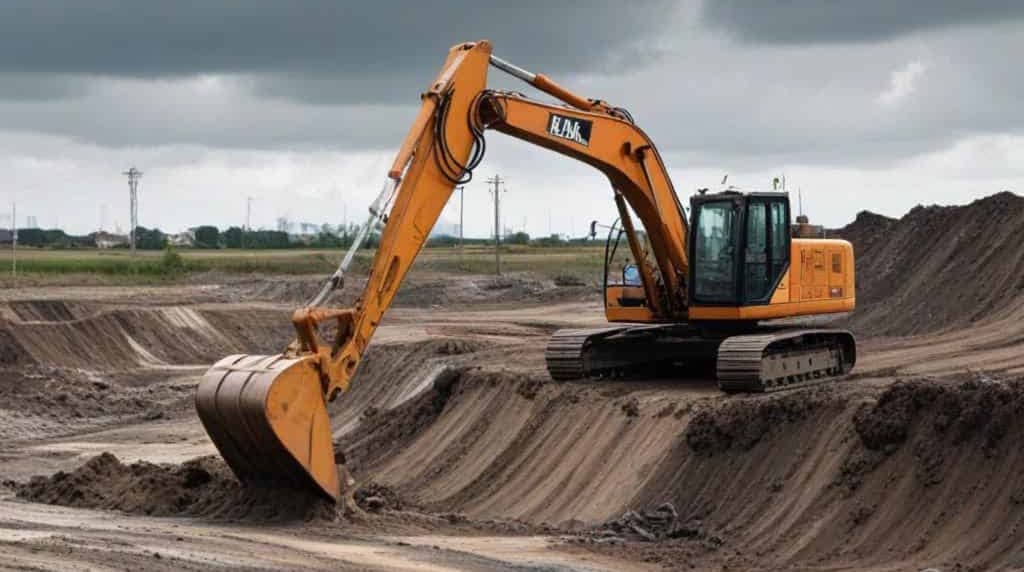
Brownfield redevelopment projects often present unique environmental challenges due to the potential presence of groundwater contamination. This contamination can result from various sources, such as historical industrial activities, spills, or leaks of hazardous substances. Managing groundwater contamination risks is a crucial aspect of brownfield development, as it helps to protect human health and the environment while ensuring that new infrastructure or buildings can be safely constructed. Moreover, it is essential for developers and contractors to comply with the relevant regulatory framework, including environmental permits and guidelines.
Groundwater is an important resource that provides drinking water and supports ecosystems by maintaining base flows in rivers and streams. Consequently, contamination of groundwater by hazardous substances can have severe environmental and public health impacts. For example, contaminated groundwater can lead to the pollution of drinking water supplies, the degradation of aquatic habitats, and potential exposure to toxic substances. Therefore, it is imperative for developers, contractors, and stakeholders involved in the remediation and redevelopment of brownfield sites to carefully consider and manage groundwater contamination risks.
In this comprehensive guide, we will discuss the issue of groundwater contamination in brownfield redevelopment projects, exploring the potential sources, environmental and health effects, and regulatory requirements. We will also present best practices for managing groundwater contamination risks, including assessment, monitoring, and mitigation strategies. Additionally, we will showcase VertaseFLI’s expertise in managing groundwater contamination challenges, highlighting their capabilities in delivering safe and successful brownfield development projects in compliance with environmental regulations and guidelines.
Groundwater Contamination Sources
Understanding the potential sources of groundwater contamination on brownfield sites is an essential step in developing effective strategies to manage risks. Common sources of groundwater contamination on brownfield sites include:
1. Historic Land Use: Prior industrial or commercial activities may have led to the release of hazardous substances, such as heavy metals, solvents, or petroleum products, which can infiltrate and contaminate groundwater.
2. Spills and Leaks: Accidental spills, leaks from storage tanks, or the mishandling of hazardous materials may have contributed to groundwater contamination on brownfield sites.
3. Landfill Sites: Older, unregulated landfill sites can act as sources of groundwater contamination if leachate – the liquid that drains from landfills – infiltrates the groundwater supply.
Identifying and assessing these potential sources of contamination is crucial for managing groundwater risks during brownfield redevelopment.
Regulatory Framework
Developers and contractors involved in the remediation and redevelopment of brownfield sites must adhere to specific legal requirements and guidelines for managing groundwater contamination risks. Key elements of the regulatory framework include:
1. Environmental Permits: Brownfield redevelopment projects may require environmental permits from the relevant regulatory authorities, such as the Environment Agency in England, the Scottish Environment Protection Agency in Scotland, or Natural Resources Wales in Wales. These permits often outline required groundwater protection measures and remediation objectives.
2. National Planning Policy Framework (NPPF) and Local Planning Policies: The NPPF and local planning policies provide guidelines for assessing and managing groundwater contamination risks during the planning and development process.
3. Contaminated Land Regulations: Regulations such as Part 2A of the Environmental Protection Act 1990 in England and Wales, and the Contaminated Land (Scotland) Regulations 2000 in Scotland outline procedures for identifying and remediating contaminated land, including addressing groundwater contamination.
Compliance with this regulatory framework is essential for reducing groundwater risks and ensuring the safe development of brownfield sites.
Impacts of Groundwater Contamination
Groundwater contamination on brownfield sites can have significant environmental and human health impacts, including:
1. Drinking Water Quality: Contaminated groundwater can affect drinking water supplies if hazardous substances enter the water supply through interconnected aquifers or wells.
2. Aquatic Ecosystems: Contaminated groundwater can adversely impact aquatic ecosystems, as it contributes to the base flows in rivers and streams. The presence of hazardous substances in groundwater may harm aquatic life and degrade water quality.
3. Human Health: Exposure to contaminants in groundwater, either through direct contact or ingestion, can pose potential health risks, such as chronic and acute illnesses.
Managing groundwater contamination risks is crucial for protecting public health, preserving the environment, and ensuring long-term sustainability during brownfield redevelopment.
Best Practices for Managing Groundwater Contamination
Effective strategies for managing groundwater contamination risks during brownfield redevelopment projects include:
1. Site Characterisation: Conducting comprehensive site investigations, including soil and groundwater sampling, can help identify and understand the extent of groundwater contamination, likely contaminant sources, and potential migration pathways.
2. Risk Assessment: Performing quantitative and qualitative risk assessments can help developers and contractors identify potential adverse effects on human health and the environment and develop appropriate remediation objectives.
3. Monitoring: Installing groundwater monitoring wells and conducting regular testing can help track the movement and concentration of contaminants and inform ongoing management decisions.
4. Remediation: Selecting and implementing appropriate remediation techniques, tailored to the specific contaminants and site conditions, can help address groundwater contamination risks. Common remediation technologies include pump-and-treat systems, in-situ chemical oxidation, and monitored natural attenuation.
5. Stakeholder Communication: Engaging with stakeholders such as regulators, local communities, and other interested parties throughout the redevelopment process can help foster trust and ensure transparent and consistent communication regarding groundwater contamination risks and management strategies.
Conclusion
Managing groundwater contamination risks is a crucial aspect of brownfield redevelopment projects, as it helps protect human health, preserve the environment, and ensure long-term site sustainability. By understanding potential contamination sources, complying with regulatory requirements, and adopting best practices for managing groundwater risks, developers and contractors can successfully remediate and redevelop brownfield sites. Collaboration with experienced environmental contracting specialists, such as VertaseFLI, can provide invaluable expertise and guidance on addressing groundwater contamination challenges and ensuring the successful, safe, and compliant development of brownfield projects.