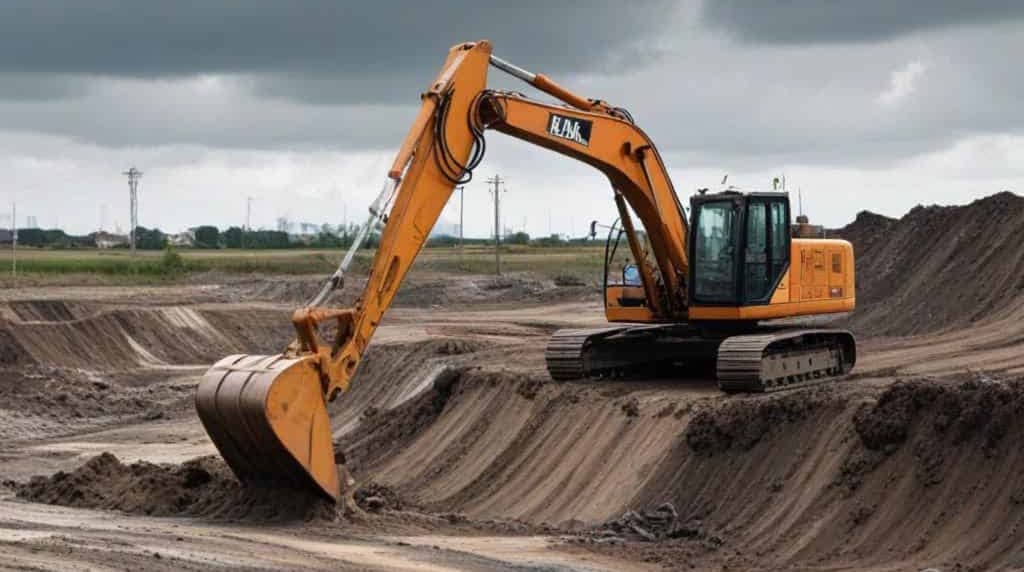
As global environmental challenges continue to emerge, the demand for more sustainable solutions in land remediation and redevelopment has increased significantly. With a growing focus on ecological, economic, and social considerations, a holistic approach to remediation known as sustainable remediation is rapidly gaining traction.
In this article, we aim to provide a comprehensive introduction to the concept of sustainable remediation, discuss its potential benefits, share examples of sustainable strategies applied in contaminated land and brownfield site management, and demonstrate VertaseFLI’s commitment to sustainability in their environmental contracting services.
Sustainable remediation focuses on minimising the negative environmental, social, and economic impacts of remediation processes while providing effective contamination management.
By incorporating sustainability principles into remediation strategies, those involved in land remediation and development projects can better protect the environment, conserve resources, and promote community well-being.
While traditional remediation techniques primarily concentrate on addressing contamination to safe levels, sustainable remediation goes a step further to balance the need for effective land cleanup with the responsibility to protect the environment and foster social welfare.
This approach not only reduces the overall remediation project footprint but also takes into account broader aspects such as resource consumption, waste generation, and stakeholder concerns.
In the following sections, we will provide an overview of the sustainable remediation principles, discuss key considerations in selecting and implementing sustainable remediation strategies, and showcase real-world examples of these techniques in practice.
Additionally, we will explore the role of stakeholders in driving the adoption of sustainable remediation practices and highlight how VertaseFLI prioritises sustainability in their environmental contracting services, remediation of contaminated land and brownfield sites.
Through this exploration, we aim to demonstrate the potential of sustainable remediation as a viable and responsible approach for tackling environmental challenges in today’s ever-evolving world.
Sustainable Remediation Principles and Key Considerations
To develop and implement a sustainable remediation strategy for contaminated land and brownfield sites, various principles and considerations should be taken into account. These include:
- Environmental Protection: Sustainable remediation should minimise potential harm to the ecosystem, biodiversity, and natural resources. Techniques that reduce energy consumption, emissions, and waste generation are favoured in sustainable remediation processes.
- Economic Efficiency: Sustainable remediation strategies should be cost-effective in both the short and long term. This considers not only the direct costs of the remediation techniques but also indirect costs, such as ongoing monitoring, maintenance, and potential future liabilities.
- Social Responsibility: A sustainable remediation approach should address the concerns of stakeholders, satisfy regulatory requirements, and foster community well-being. Engaging in open communication with stakeholders, promoting education about the remediation project and considering local employment opportunities can contribute positively to social responsibility.
- Adaptive Management: Sustainable remediation projects should be capable of adapting to evolving situations, including changes in site conditions, regulatory requirements, and new technological advancements. This helps ensure that the remediation strategy remains effective and sustainable throughout the project lifecycle.
By considering these principles, practitioners can develop a balanced, holistic approach to remediation that optimises environmental, economic, and social outcomes.
Examples of Sustainable Remediation Techniques
Several remediation techniques, when applied with sustainability principles in mind, can lead to more successful and sustainable contaminated land and brownfield site management. Some examples include:
- In-situ Remediation: In-situ techniques, such as bioremediation, soil vapour extraction, and chemical oxidation, treat contaminants in place, avoiding the need to excavate and transport soil, thereby reducing energy consumption and minimising waste generation.
- Resource Recovery and Reuse: Recycling or reusing materials generated during remediation, such as excavated soil, or incorporating recovered construction materials into site redevelopment, can help conserve natural resources and reduce reliance on new, energy-intensive resources.
- Green and Natural Infrastructure: Integrating green and natural infrastructure, such as wetlands or vegetated swales, into the remediation design can improve stormwater management, habitat provision, and climate resilience, while enhancing the site’s aesthetic appeal to the surrounding community.
- Renewable Energy: Utilising renewable energy sources, such as solar or wind power, to operate remediation systems can reduce greenhouse gas emissions and reliance on non-renewable energy sources.
These examples demonstrate the potential of integrating sustainability principles into remediation strategies, contributing to more efficient, responsible, and effective contaminated land and brownfield site management.
The Role of Stakeholders in Sustainable Remediation
For sustainable remediation strategies to be successful, stakeholders must be actively engaged in the planning, decision-making, and implementation phases of the project. Stakeholder involvement ensures that the remediation strategy accounts for diverse perspectives and concerns, promotes transparency and trust, and considers the broader priorities and values of the community.
Key stakeholders in sustainable remediation projects may include property owners, developers, local authorities, regulatory bodies, environmental consultants, community groups, and affected residents. Effective collaboration amongst stakeholders should be fostered through open communication channels, regular meetings, and opportunities for feedback.
By engaging stakeholders in the development and execution of sustainable remediation strategies, projects can better achieve long-lasting, positive outcomes for both the environment and the local community.
VertaseFLI’s Commitment to Sustainable Remediation
At VertaseFLI, we pride ourselves on our dedication to sustainability in all aspects of our environmental contracting services, including the remediation of contaminated land and brownfield sites. Our commitment to this approach involves:
- Understanding and Application of Sustainable Remediation Principles: Our team of professionals is well-versed in the principles of sustainable remediation and incorporates these into the design, planning, and implementation of our remediation projects.
- Collaboration with Stakeholders: We believe in fostering strong relationships with all stakeholders to ensure transparent, responsive, and effective management of remediation projects. We actively engage with regulators, local authorities, and community representatives to address their concerns and shape more sustainable and resilient outcomes.
- Innovation and Continual Improvement: VertaseFLI is committed to researching and adopting new technologies and best practices to enhance the sustainability and effectiveness of our remediation services. We seek to learn from our experiences and continuously improve our performance by monitoring and evaluating our progress against sustainability objectives.
- Compliance with Regulations: Our thorough understanding of regulatory requirements ensures that our remediation projects not only meet legal obligations but also strive to minimise environmental impacts, demonstrating our dedication to environmental stewardship.
Conclusion
Sustainable remediation represents a balanced, holistic approach to the management of contaminated land and brownfield sites, addressing the environmental, economic, and social aspects of remediation projects.
By understanding sustainable remediation principles, considering key factors in strategy development, and learning from real-world examples, project developers can successfully integrate sustainability into their land remediation and redevelopment initiatives.
At VertaseFLI, our team of environmental contracting specialists is dedicated to sustainable remediation, ensuring our clients’ projects create lasting, positive impacts for both the environment and the communities we serve. To learn more about how we can support your project with sustainable remediation expertise, contact VertaseFLI as your remediation contractor!