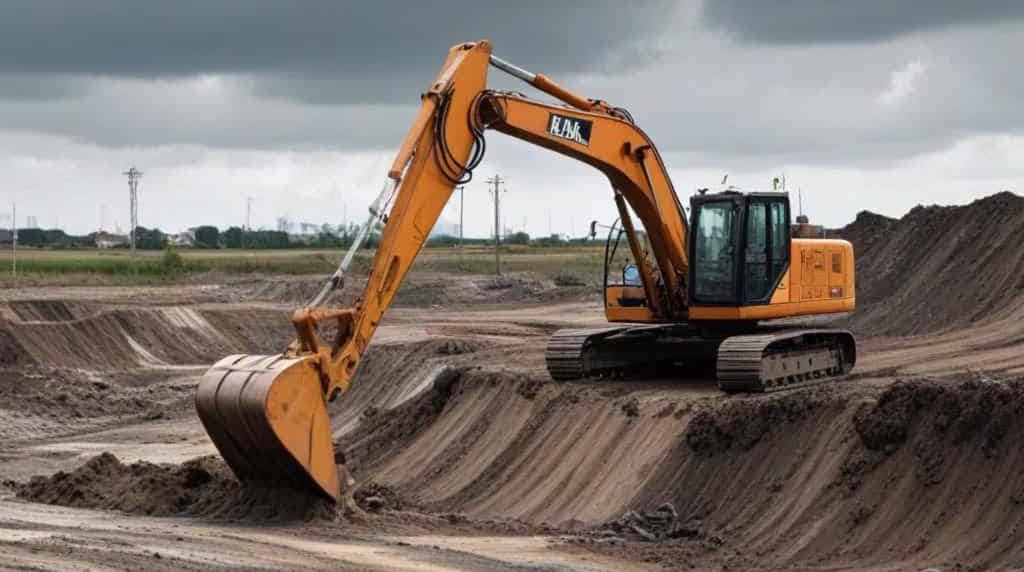
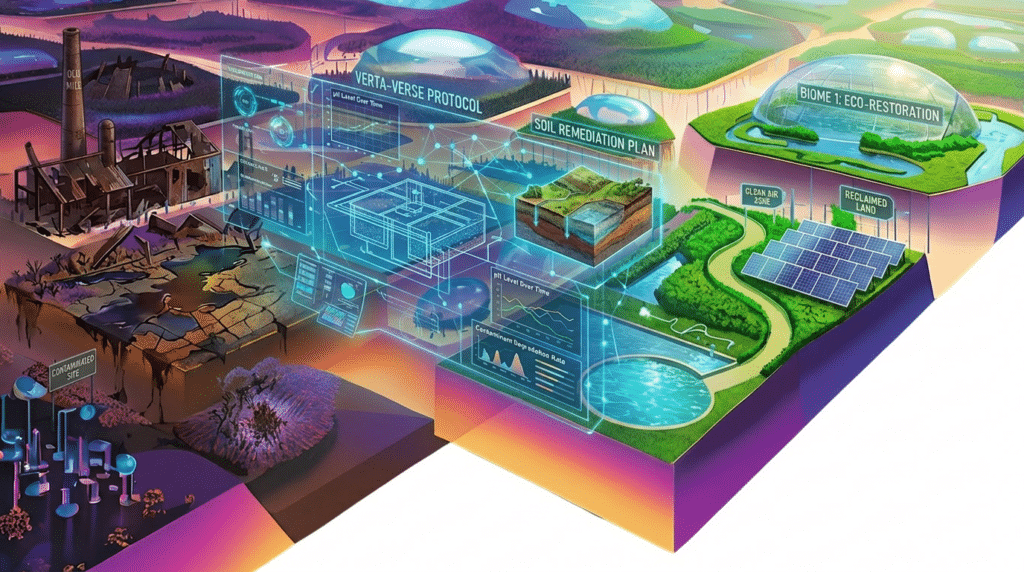
Brownfield sites are those areas that have been previously utilized for commercial or industrial purposes and are now abandoned or underused. These sites often have real or perceived contamination problems, and as a result, they are left undeveloped. However, as the demand for land increases, particularly in urban areas, there is a growing interest in the redevelopment of these brownfield sites. This brings us to the concept of sustainable brownfield site redevelopment.
Sustainable brownfield redevelopment is all about transforming these derelict or underused industrial sites into productive, usable spaces, while minimizing environmental impact and maximizing benefits for the local community.
The Importance of Sustainable Brownfield Site Redevelopment
There are several reasons why sustainable brownfield site redevelopment is important:
1. Land Preservation: By redeveloping brownfield sites, we can avoid the need to encroach on greenfield sites (undeveloped land in a city or rural area). This helps to preserve natural habitats and biodiversity.
2. Waste Minimization: Brownfield redevelopment allows for the reuse of existing infrastructure and materials, reducing waste and the need for new construction materials.
3. Carbon Emission Reduction: Reusing existing structures can significantly reduce carbon emissions associated with demolition and new construction.
4. Economic Revitalization: Redeveloping brownfield sites can stimulate economic growth, creating jobs and potentially boosting property values in the surrounding area.
5. Social Inclusion: Redeveloped brownfield sites can provide new housing, community spaces, or amenities, contributing to social inclusion and community wellbeing.
Strategies for Sustainable Brownfield Redevelopment
Several key strategies can be employed to ensure brownfield redevelopment is sustainable:
1. Remediation: The first step in brownfield redevelopment is often remediation or the removal of any environmental contamination. This should be done in a way that minimizes harm to the environment and local community.
2. Sustainable Design: The redevelopment itself should incorporate sustainable design principles. This might include energy-efficient buildings, stormwater management systems, green spaces, and facilities for pedestrians and cyclists.
3. Collaboration: Sustainable brownfield redevelopment is often a complex process that requires input from a range of stakeholders, including developers, planners, environmental specialists, and local government. Collaboration between these stakeholders can help to ensure that the redevelopment is both sustainable and successful.
Green Building Practices in Brownfield Site Redevelopment
Environmentally responsible building methods can play a significant role in sustainable brownfield site redevelopment. Green building practices contribute to reduced energy and resource consumption, improved air and water quality, and enhanced overall environmental performance. Some key strategies include:
1. Energy Efficiency: Incorporating energy-efficient building design, technologies, and renewable energy sources can reduce greenhouse gas emissions, lower operational costs, and improve energy security.
2. Low-Impact Materials: Utilising materials with low embodied energy and minimal environmental impact can reduce resource use, minimise waste generation, and promote a circular economy.
3. Green Infrastructure: Integrating green infrastructure such as green roofs, rain gardens, and permeable pavements can aid in stormwater management, mitigate the urban heat island effect, enhance biodiversity, and improve overall site aesthetics.
Meaningful Stakeholder Engagement in Sustainable Redevelopment
The inclusion and participation of local communities and stakeholders in the planning, design, and execution phases of brownfield site redevelopment projects can help ensure that these efforts align with the needs and aspirations of the local population. Effective stakeholder engagement fosters shared ownership, enhances trust, and can lead to more meaningful and socially impactful project outcomes. Key aspects of meaningful stakeholder engagement include:
1. Transparent Communication: Providing accessible and regular updates on the project’s progress, successes, and challenges can enhance accountability, ensure clarity, and maintain stakeholder trust throughout the redevelopment process.
2. Inclusive Decision-Making: Collaborative decision-making processes that involve diverse stakeholder perspectives increase the likelihood of balanced, locally-centred outcomes that respond to community needs and concerns.
3. Community Empowerment: Empowering communities with the information, tools, and opportunities to actively participate in the redevelopment process can foster a sense of ownership, pride, and long-term commitment to the project’s success.
Adaptive Reuse of Existing Structures in Brownfield Sites
Adaptive reuse involves the repurposing and revitalisation of existing structures within a brownfield site, transforming them to accommodate new functions, occupants, or technologies. This strategy offers multiple benefits for environmentally sustainable and socially responsible redevelopment:
1. Environmental Benefits: Adaptive reuse can reduce waste generation and the consumption of raw materials, energy, and water associated with new construction. It also preserves the embodied energy and cultural value of historic structures.
2. Economic Advantages: By repurposing existing structures, developers can harness the building’s inherent value, reduce demolition expenses, and potentially benefit from tax incentives or grants for the preservation and adaptive reuse of historic properties.
3. Social Impacts: Adaptive reuse enhances social sustainability by preserving the cultural heritage and historic fabric of a community while providing new amenities, housing, or employment opportunities in revitalised settings.
VertaseFLI’s Commitment to Sustainable Brownfield Site Redevelopment
VertaseFLI is dedicated to the principles of sustainable brownfield site redevelopment. We strive to deliver projects that not only remediate and revitalise underused land, but also embody environmentally responsible and socially impactful outcomes. Our commitment to sustainability is apparent through our:
1. Expertise in Green Techniques: Our team of professionals possesses in-depth knowledge and experience with a variety of green building practices and soil remediation techniques, ensuring environmentally responsible solutions are integrated into our projects.
2. Proactive Stakeholder Engagement: We prioritise the needs and aspirations of local communities and stakeholders, maintaining transparent communication and promoting inclusive decision-making processes throughout the redevelopment process.
3. Creative Approach to Adaptive Reuse: VertaseFLI is passionate about the potential for adaptive reuse of existing structures in brownfield site redevelopment, working with clients and stakeholders to identify opportunities that preserve cultural heritage, promote sustainability, and deliver meaningful social impact.
Conclusion
Sustainable brownfield site redevelopment contributes to the creation of resilient, vibrant communities by integrating environmentally responsible building practices, engaging local stakeholders authentically, and repurposing existing structures for adaptive reuse. As a leading provider of contaminated land and brownfield redevelopment solutions, VertaseFLI is committed to enhancing environmental stewardship and delivering social impact in our projects.
Whether through the utilisation of green building techniques, the application of robust stakeholder engagement practices, or the creative transformation of existing structures, our team of experts continually strives to uphold sustainability principles and address the needs of the communities we serve. By championing these sustainable strategies in brownfield site redevelopment, VertaseFLI seeks to play a pivotal role in revitalising underused land, conserving resources, and laying the groundwork for a more sustainable and flourishing built environment. Contact us today for all your environmental contracting needs.