Contaminated land and brownfield sites pose significant challenges for property developers, environmental consulting firms, construction companies, and local authorities alike. The presence of hazardous substances in the soil can threaten human health and the environment, making it crucial to select appropriate soil remediation techniques for successfully managing and redeveloping these sites. In this guide, we will explore different soil remediation techniques for managing contaminated land and provide insight into making informed decisions when selecting the most effective and efficient solution for your project.
Soil contamination can occur from various sources, including industrial activities, chemical spills, and waste disposal. Common soil contaminants include heavy metals, petroleum hydrocarbons, polycyclic aromatic hydrocarbons (PAHs), and other toxic substances, which can pose risks to human health and the environment if not properly managed. Several soil remediation techniques have been developed to address these challenges to treat and, in some cases, remove contamination from these sites.
Choosing the right soil remediation technique is critical to managing and redeveloping contaminated land and brownfield sites successfully. Selection should be based on site-specific conditions, types of contaminants, remediation objectives, and project constraints, such as time and budget. An appropriate remediation technique should not only effectively treat contamination but also minimise environmental impact and ensure the project’s long-term viability.
In the following sections, we will discuss various soil remediation techniques, their applications, and limitations in detail, providing an understanding of these approaches. Additionally, we will share recommendations on selecting the most suitable soil remediation technique tailored to the unique needs of your project. Finally, we will highlight VertaseFLI’s expertise in implementing soil remediation techniques for contaminated land and brownfield sites, showcasing our dedication to providing our clients with safe, compliant, and environmentally conscious solutions.
Overview of Common Soil Remediation Techniques
Numerous soil remediation techniques exist, each with its advantages and drawbacks. Understanding these methods is essential for selecting the most appropriate approach for managing and redeveloping contaminated land and brownfield sites. The following is an overview of the common soil remediation techniques:
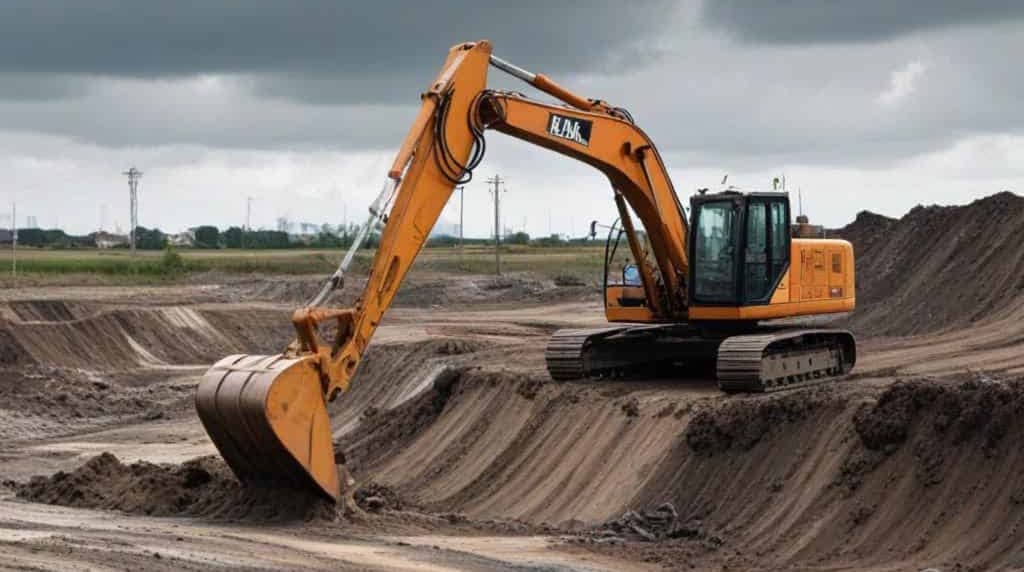
- Excavation and disposal: The most straightforward method involves excavating contaminated soil and disposing it at a licensed landfill. While relatively simple, this approach can be costly and unsustainable, as it relies on transporting contaminated soil and does not treat on-site contamination.
- Containment: This technique involves containing the contamination, either by installing physical barriers, such as slurry walls or sheet piling or by encapsulating the contaminated soil with a layer of clean material. Containment can be a more cost-effective solution for sites where contamination poses a limited risk; however, it does not eliminate the contamination.
- Soil washing: Soil washing involves using water, chemicals, and physical separation processes to remove or reduce contaminants from the soil. This method can effectively treat soils with large particle sizes and low levels of water-soluble contaminants.
- Bioremediation: Bioremediation uses microorganisms to break down contaminants in the soil. Adding nutrients, oxygen, or microorganisms to the contaminated soil can stimulate this natural process. Bioremediation can be a cost-effective and environmentally friendly technique for treating organic contaminants.
- Chemical oxidation and reduction: These methods involve the application of chemical agents to the soil to either oxidise or reduce contaminants, making them less toxic or mobile. Chemical oxidation and reduction are effective for treating a wide range of organic and inorganic contaminants but may require careful monitoring and control to prevent adverse reactions.
- Thermal treatment: High temperatures are used to destroy or remove contaminants from the soil. Thermal treatment methods, such as soil vapour extraction and in-situ thermal desorption, are effective for treating volatile and semi-volatile organic contaminants. However, they can be energy-intensive and expensive.
Factors to Consider When Selecting a Soil Remediation Technique
Selecting the most suitable soil remediation technique for your project requires careful consideration of various factors, including:
- Types of contaminants: The nature of the contaminants, including chemical composition, concentration, and toxicity, will influence the effectiveness of remediation techniques.
- Site conditions: Soil properties, such as grain size and soil classification, as well as hydrogeological conditions and site accessibility, can affect the feasibility and efficiency of remediation techniques.
- Remediation objectives: The desired end-use of the site, regulatory requirements, and acceptable risk levels will dictate the appropriate level of remediation and may influence the selection of remediation techniques.
- Project constraints: Factors such as time, budget, and stakeholder concerns may impact the choice of remediation techniques, driving the need for cost-effective and timely solutions.
Recommendations for Selecting the Most Suitable Soil Remediation Technique
To select the most appropriate soil remediation technique for your project, consider the following recommendations:
- Conduct a thorough site investigation and risk assessment: Gather as much information as possible on the site’s contamination profile and potential risks. This information enables the selection of a remediation technique that effectively addresses the site-specific challenges.
- Engage specialist consultants: Environmental contracting specialists like VertaseFLI can offer invaluable advice and guidance on selecting the most suitable remediation technique based on their experience and expertise in managing contaminated land and brownfield sites.
- Evaluate multiple options: Comparing different remediation techniques will enable you to weigh the advantages and disadvantages, considering cost, timescale, and effectiveness. This allows for informed decision-making and selection of the best-fit approach based on your project’s unique needs and constraints.
- Foster collaboration among stakeholders: Effective communication and coordination among stakeholders can help align expectations and ensure the successful implementation of the selected remediation technique.
VertaseFLI’s Expertise in Soil Remediation Techniques
At VertaseFLI, we are dedicated to providing our clients with safe, compliant, and environmentally conscious soil remediation solutions. Our experienced team is well-versed in implementing a wide range of remediation techniques tailored to each contaminated site’s specific requirements and challenges.
Our comprehensive services encompass site investigation, risk assessment, remediation strategy development, implementation and project management, and post-remediation validation and monitoring. With a strong commitment to innovation, safety, and sustainability, VertaseFLI ensures the clean-up and successful transformation of contaminated land and brownfield sites into valuable assets for development and community use.
Conclusion
Managing and remediating contaminated soils is complex, requiring careful consideration of various factors, including site-specific conditions, regulatory requirements, and project constraints. By understanding different soil remediation techniques and following expert recommendations, those involved in land redevelopment can select the most suitable approach to address the challenges of contaminated land and brownfield sites.
At VertaseFLI, our team of environmental contracting specialists is ready to support and guide you in selecting and implementing the most effective contaminated land remediation solutions for your project. Contact us today to learn more about how we can help and start the journey towards a cleaner, more sustainable future.