Contaminated soil is a major issue in many areas of the world. Soil contamination occurs when the soil contains hazardous chemicals, pollutants, or other harmful substances. This can be due to various sources, including industrial activities, agricultural practices, and waste disposal. Contaminated soil can pose a severe health risk to humans, animals, and the environment, so it is important to remediate and process contaminated soil safely and effectively.
Understanding Soil Contamination
Soil contamination occurs when hazardous substances are introduced into the soil. These include heavy metals, pesticides, petroleum products, and other chemicals. Soil contamination can occur from various sources, including industrial activities, agricultural practices, and waste disposal. Once contaminated, the soil can be hazardous to human health and the environment.
Common Soil Contaminants
Some of the most common soil contaminants include heavy metals, such as lead, arsenic, and mercury. These metals can come from various sources, including industrial activities, mining, and smelting. Pesticides and herbicides used in agriculture can also contaminate soil, as can petroleum products from oil spills or leaks in underground storage tanks. Other common soil contaminants include polychlorinated biphenyls (PCBs), dioxins, and volatile organic compounds (VOCs).
The Remediation Process
Soil remediation is the process of removing or neutralising contaminants in the soil. The soil remediation process can be complex, requiring expertise in environmental science, engineering, and geology. There are several methods for soil remediation, depending on the type and level of contamination.
1. Excavation and Removal
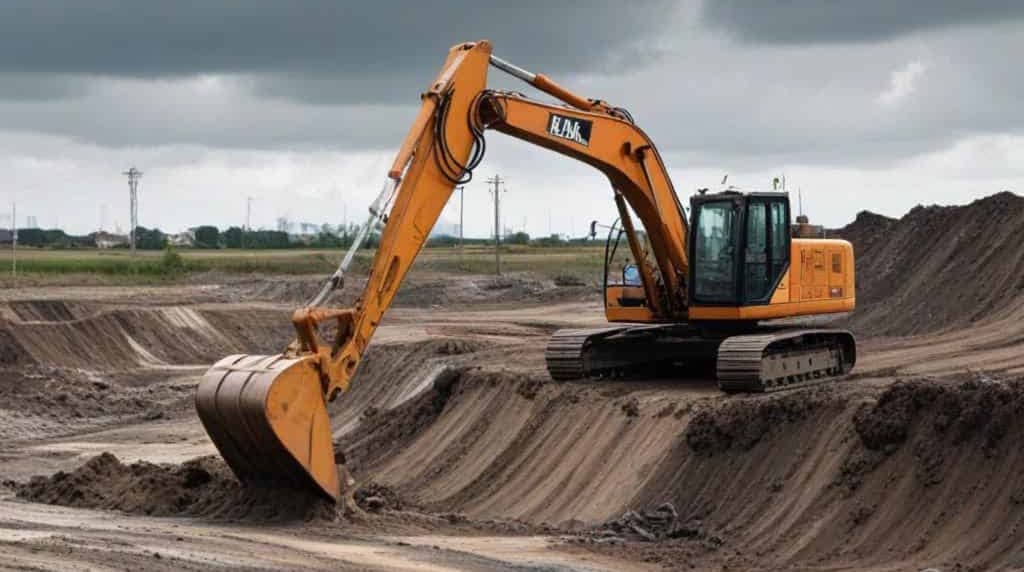
One of the most common methods for soil remediation is excavation and removal. This process involves excavating contaminated soil and transporting it to a secure location for disposal.
2. Bioremediation
Bioremediation is a process that uses microorganisms to break down or neutralise contaminants in the soil. Microorganisms, such as bacteria and fungi, can be introduced into the soil to consume the contaminants.
3. Chemical Treatment
Chemical treatment involves the use of chemicals to neutralise contaminants in the soil. This method effectively removes contaminants that are difficult to remove through excavation or bioremediation.
4. Thermal Treatment
Thermal treatment involves the use of heat to remove contaminants from the soil. This method effectively removes contaminants that are resistant to other soil remediation methods. Thermal treatment can be costly, but it effectively removes many contaminants.
Safely Processing Contaminated Soil
Once contaminated soil has been remediated, it must be safely processed to prevent further contamination. Several methods for processing contaminated soil include landfill disposal, incineration, and recycling.
1. Landfill Disposal
Landfill disposal involves burying the contaminated soil in a secure landfill. The landfill must be designed to prevent the contaminants from leaching into the surrounding environment. Landfill disposal is a safe and effective method for processing contaminated soil.
2. Incineration
Incineration involves burning the contaminated soil at high temperatures to destroy the contaminants. Incineration is an effective method for processing contaminated soil, but it can be costly and may produce air pollution.
3. Recycling
Recycling involves treating the contaminated soil to remove the contaminants and reuse the clean soil. Recycling is a cost-effective and environmentally friendly method for processing contaminated soil.
Conclusion
Once the contaminated soil has been remediated, it must be safely processed to prevent further contamination. Landfill disposal, incineration, and recycling are some methods for safely processing contaminated soil. Removing and processing contaminated soil safely and effectively is important to protect human health and the environment.
Are you looking for effective environmental remediation solutions for your development, house building, manufacturing, or petrochemical project? At VertaseFLI, we deliver complete and innovative environmental remediation solutions and development-ready platforms. Contact us today!