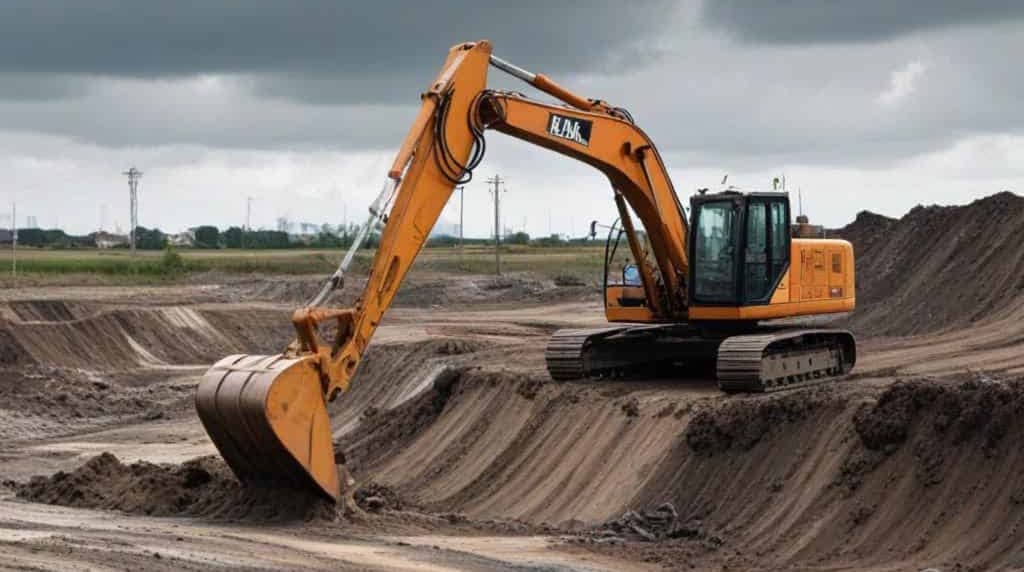
Brownfield sites, or previously developed land that has become derelict or contaminated present unique challenges and opportunities for redevelopment. Transforming these sites into sustainable, vibrant spaces is not only essential for reviving under-utilised urban areas but also provides numerous environmental, social, and economic benefits. In this blog article, we will explore the potential advantages of brownfield site regeneration and the key considerations to keep in mind when planning and executing successful redevelopment projects, focusing on environmental protection, community engagement, and long-term sustainability.
Brownfield site regeneration can provide significant environmental benefits, primarily by remediating and mitigating existing contamination and restoring damaged ecosystems. This process can enhance local biodiversity, improve air and water quality, and create new ‘green’ spaces for communities to enjoy. Additionally, redeveloping brownfield sites can contribute to reducing urban sprawl, and preserving valuable greenfield land and natural habitats for future generations.
From a social perspective, brownfield site regeneration can foster community revitalisation by creating new housing, commercial, and recreational facilities. Reclaimed land can facilitate the development of affordable homes, reducing housing shortages in urban areas and helping to address social inequality. Moreover, new amenities and infrastructure can promote greater social cohesion, better quality of life, and stimulated local economies.
The economic advantages of brownfield site regeneration are also evident, with the potential to unlock significant value for developers, investors, and local communities alike. Remediated land can be leveraged for lucrative developments or public facilities, providing job opportunities and boosting economic growth. Furthermore, the regeneration process itself can create a myriad of skilled employment opportunities across various sectors, from construction and environmental services to urban planning and transportation.
Successful brownfield site regeneration projects require careful planning and execution, encompassing aspects such as environmental assessments, risk management, stakeholder engagement, and regulatory compliance. Detailed site investigation, innovative remediation techniques, and sustainable design principles are essential components to ensure the long-term success of these complex projects.
In the following sections, we will delve deeper into the key considerations for sustainable brownfield site regeneration and showcase best practices to maximise redevelopment projects’ environmental, social, and economic potential.
Comprehensive Environmental Assessments and Remediation
One of the fundamental aspects of successful brownfield site regeneration is a thorough environmental assessment and site investigation. This process involves identifying potential contamination sources, assessing the extent of contamination, and understanding the site’s unique characteristics. Once the assessment is complete, the most appropriate remedial techniques should be employed to restore the site to an environmentally sound condition suitable for redevelopment. Some of the essential steps include:
1. Site Investigation: Conduct soil, groundwater, and surface water sampling to determine the nature and extent of the contamination. Detailed geophysical surveys can reveal subsurface features that may influence remediation methods and design.
2. Remedial Options Appraisal: Evaluate various remediation techniques based on the site’s unique characteristics and contamination profile. Techniques may range from excavation and treatment to in situ methods such as soil stabilisation or bioremediation.
3. Remedial Action Plan: Develop a Remedial Action Plan (RAP) outlining the proposed remediation measures, along with a detailed implementation strategy.
Risk Management and Regulatory Compliance
Mitigating potential risks and ensuring compliance with regulations are crucial aspects of brownfield site regeneration. A comprehensive risk management strategy should be integrated into all phases of the project to identify, assess, and manage potential environmental, health, and safety risks. Additionally, a strong understanding and adherence to regulatory requirements are necessary to avoid legal issues, fines, and project delays. Key considerations include:
1. Risk Assessment: Perform a thorough risk assessment to identify potential hazards and risks associated with the site, contamination, and remediation activities.
2. Risk Management Strategy: Develop a risk management strategy outlining mitigation measures, contingency plans, monitoring programmes, and project roles and responsibilities.
3. Regulatory Compliance: Ensure adherence to applicable legislation, guidelines, and permitting requirements throughout the project. This may include obtaining approvals from regulatory bodies such as the Environment Agency or local planning authorities.
Sustainable Design and Construction Principles
Incorporating sustainable design and construction principles into brownfield site regeneration projects can help to maximise the long-term environmental, social, and economic benefits. Sustainable design and construction focus on energy efficiency, resource conservation, and environmental protection throughout the project lifecycle, from planning and design to construction, operation, and maintenance. Key factors to consider include:
1. Resource Efficiency: Promote the sustainable use of materials by reusing or recycling existing resources, and utilising locally sourced, environmentally friendly materials wherever possible.
2. Energy Efficiency: Integrate energy-efficient systems and technologies into the project, such as renewable energy sources and passive design techniques, to reduce long-term energy consumption, carbon emissions, and costs.
3. Environmental Protection: Protect and enhance local ecosystems by integrating site-specific ecological features, such as green infrastructure, habitat restoration, and landscape design that supports biodiversity.
Community Engagement and Social Inclusion
Engaging with local communities and promoting social inclusion throughout the brownfield site regeneration process can contribute to the project’s long-term success and improve overall outcomes. Clear communication and collaboration with stakeholders, including local residents, businesses, and community groups, can help ensure that the project aligns with local needs and aspirations, fostering greater community acceptance and support. Key aspects include:
1. Consultation and Collaboration: Engage with stakeholders throughout the project lifecycle, from planning and design to construction and operation, to gather feedback and incorporate local perspectives.
2. Socio-Economic Considerations: Integrate affordable housing, local employment opportunities, and accessible services and amenities into the project to address socio-economic disparities and promote social inclusion.
3. Community Benefits: Showcase the broader community benefits of the project, such as improved public spaces, enhanced quality of life, and stimulated economic growth.
Conclusion
Brownfield site regeneration offers tremendous potential for transforming previously developed land into sustainable, vibrant spaces that deliver environmental, social, and economic benefits. By focusing on comprehensive environmental assessments, risk management, regulatory compliance, sustainable design principles, and community engagement, developers can undertake successful regeneration projects that meet the needs of both local communities and future occupants.
Thorough planning, collaboration with expert brownfield contracting specialists like VertaseFLI, and adoption of innovative remediation techniques can help ensure the long-term success of brownfield site regeneration, ultimately contributing to the sustainable growth and development of urban areas.