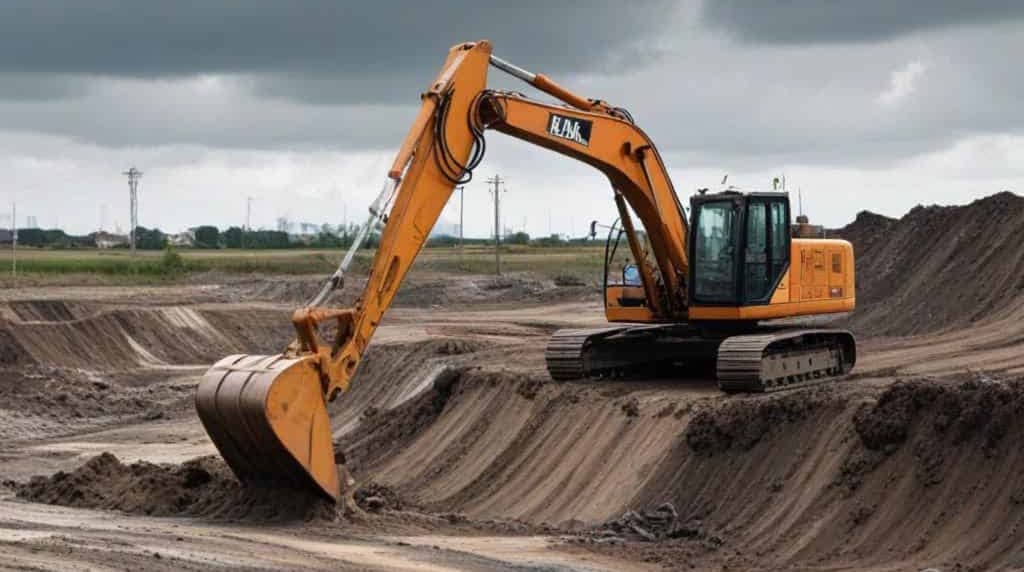
Contaminated lands and brownfield sites can pose significant risks to human health and the environment, which makes their remediation essential. Proper remediation not only mitigates the associated hazards but also provides opportunities for sustainable development, particularly in the context of urban regeneration and resource recovery. One of the fundamental elements in undertaking the remediation process is Materials Management Planning (MMP), which ensures that resources and materials are handled responsibly and efficiently throughout the project. In this blog article, we will explore MMP in site remediation and highlight their role in achieving sustainable remediation goals.
Materials Management Planning is a comprehensive approach to dealing with the various materials, wastes, and resources involved in remediation projects. It encompasses the identification, assessment, handling, treatment, and redistribution of these materials, ensuring that they are managed in an efficient, environmentally friendly, and cost-effective manner. By implementing a sound materials management strategy, remediation projects can minimise waste generation, reduce costs, lower the risk of regulatory non-compliance, and improve overall project sustainability.
One of the critical aspects of MMP involves understanding the specific materials present onsite, their potential risks, and the implications of their management. This assessment requires a thorough site investigation, including soil and groundwater sampling, analysis, and the development of a robust conceptual site model. Based on the findings, the MMP should outline strategies for handling various materials on the site – for example, the reuse of soils, the recycling of construction materials or the need for off-site disposal of waste.
Another crucial part of MMP is stakeholder engagement, which includes consultation with local communities, regulatory bodies, and businesses that may be affected by the project. A solid relationship with stakeholders can ensure all parties are aligned in terms of expectations and project outcomes, ultimately contributing to the project’s long-term success.
Furthermore, an essential component of MMP is obtaining the necessary permits and regulatory approvals, ensuring adherence to regulatory requirements and maintaining compliance throughout the project. This aspect can be particularly challenging, given the complex regulatory frameworks and standards that govern contaminated land and waste management. An MMP should provide a clear, step-by-step guide to achieving compliance, including actions, timelines, and performance indicators.
Understanding Materials Management Planning for Sustainable Remediation
The Importance of Materials Management Planning in Site Remediation
Materials Management Planning is a critical element of site remediation that plays a significant role in ensuring the project’s long-term success. Poor materials management can result in increased costs, delays, and environmental harm, while a well-planned approach can contribute to the project’s efficiency and overall environmental performance. Some of the key benefits of adopting a comprehensive MMP are:
1. Minimised waste: By maximising reuse and recycling opportunities, MMP can help to reduce the total volume of waste generated, leading to lower disposal costs and reduced environmental impacts.
2. Regulatory compliance: Adhering to relevant rules and requirements is essential to avoid fines, legal issues, and reputational damage. A thorough MMP helps to ensure compliance with all regulatory aspects, including waste management and disposal requirements.
3. Cost-effectiveness: By identifying the most efficient way to utilise onsite materials, MMP can contribute to overall project cost savings. This aspect is particularly relevant when considering the selection, transport and disposal of waste.
4. Environmental protection: A robust MMP will highlight potential risks and environmental hazards, fostering the implementation of appropriate mitigation measures. This enhanced environmental stewardship helps to protect the community and local ecosystems while advancing the project’s sustainability goals.
Key Components of a Successful Materials Management Plan
A successful MMP should be based on a thorough understanding of the site’s contextual intricacies and the specific project requirements. Key components of an MMP include:
1. Site Investigation: Conduct an in-depth study, including soil and groundwater sampling and a conceptual site model, to identify the various materials present onsite and their potential risks and hazards.
2. Materials Identification and Classification: Based on site investigation findings, classify materials according to their physical, chemical, and hazardous characteristics, informing subsequent handling and treatment decisions.
3. Management Strategies: Develop and deploy management strategies for various materials, including plans for recycling, reuse, and disposal. This process should consider both short-term and long-term perspectives, as well as the project’s overarching sustainability objectives.
4. Stakeholder Engagement: Engage with local communities, regulatory bodies, and other industries that may be impacted by the project. Building a strong relationship with stakeholders can improve project outcomes and ensure expectations are met.
5. Regulatory Approval: Acquire all necessary permits and approvals to ensure compliance with regulatory requirements and maintain adherence throughout the project.
Best Practices for Implementing Materials Management Planning
Developing and implementing a robust MMP requires a comprehensive, step-by-step approach. To maximise the effectiveness of your MMP, consider the following best practices:
1. Collaborate with Multidisciplinary Experts: Involving specialists from various fields – including environmental, engineering, waste management, and regulatory compliance – can improve the MMP’s overall effectiveness. These experts can collaborate to develop innovative, tailored solutions and ensure that the project stays on schedule and budget.
2. Align Project Phases and Activities: Streamline coordination between the different project phases and activities by aligning schedules, resource allocation, and communication. This approach can help ensure that materials management is integrated seamlessly into the remediation process.
3. Leverage Technology: Utilise technology to support your MMP, including GIS mapping for site analysis, software for waste tracking, and data management tools. These resources can improve the plan’s accuracy, efficiency, and transparency.
4. Monitor and Evaluate Performance: Track the project’s progress against the established targets and milestones and periodically evaluate the MMP’s effectiveness. Regular monitoring and evaluation can help identify areas of improvement and inform any adjustments needed to achieve maximum results.
Challenges and Future Developments in Materials Management for Remediation
As with any aspect of contaminated land and brownfield site remediation, developers and stakeholders can encounter challenges when implementing MMPs. Key challenges include regulatory complexity, tight project deadlines, and climate change-related factors. Greater emphasis on sustainable development and environmental preservation has led to evolving regulations and standards, which can be difficult to navigate.
Considering these challenges, the future of materials management for remediation will likely continue to emphasise sustainability and innovative solutions, including circular economy models and the adoption of advanced technologies. Successful MMPs will need to adapt and evolve alongside regulatory changes, emerging market trends, and the broader environmental landscape.
Conclusion
Materials Management Planning is an essential aspect of brownfield, environmental, and contaminated land remediation projects that should not be overlooked. By adopting VertaseFLI’s well-designed, comprehensive MMP approach, site developers can maximise project outcomes and contribute to broader sustainability goals. Implementing best practices, engaging with stakeholders, and anticipating future trends will ensure that materials management planning continues to play a pivotal role in transforming contaminated lands into thriving, sustainable spaces for development.