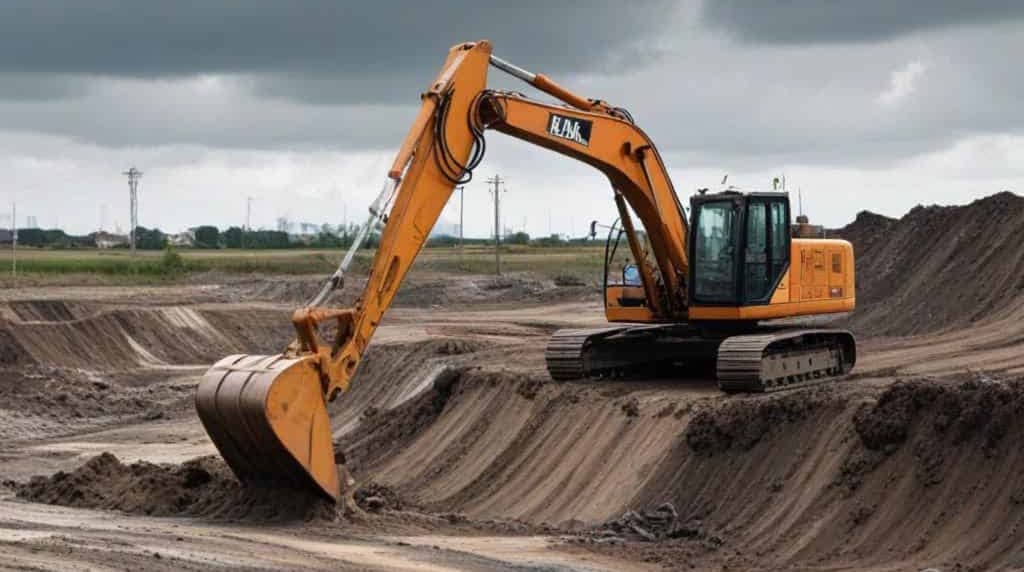
Asbestos, a naturally occurring mineral widely used for insulation, fire resistance, and building materials in the past, poses various health risks due to its fibrous nature and potential to cause respiratory illnesses such as asbestosis, lung cancer or mesothelioma. In contaminated land and brownfield redevelopment projects, managing asbestos risks is of paramount importance, as the remediation process can exacerbate the hazard by disturbing and releasing asbestos fibres into the air. Moreover, the associated health risks and regulatory requirements necessitate a robust, responsible approach to asbestos management in order to protect workers, the public, and the environment.
Effective asbestos management in contaminated land remediation projects involves the identification, assessment, and mitigation of asbestos risks, as well as strict adherence to legal frameworks such as Control of Asbestos Regulations 2012, Construction (Design and Management) Regulations 2015, and Waste Management Licensing Regulations. The implementation of best practices and guidance provided by the Health and Safety Executive (HSE) and other industry bodies is critical in ensuring the safe and compliant handling of asbestos-containing materials (ACMs) and waste during the remediation process.
This blog article aims to provide a comprehensive guide to asbestos management in contaminated land remediation projects, outlining the essential steps, key considerations, and best practices for ensuring safety, compliance, and risk reduction. By understanding and implementing these measures, stakeholders involved in contaminated land and brownfield redevelopment can effectively manage asbestos, protecting the health and wellbeing of workers, residents, and the environment while contributing to successful, sustainable project outcomes.
Effective Asbestos Management in Contaminated Land Remediation Projects
Section 1: Essential Steps for Asbestos Management in Contaminated Land Projects
The effective management of asbestos in contaminated land remediation projects involves a series of essential steps to identify, assess, and mitigate risks:
1. Preliminary Investigation: Conduct a thorough desk study to collect historical information on the site’s past use, potential sources of asbestos contamination, and any previous asbestos surveys or removal activities carried out.
2. Asbestos Survey: Engage an accredited, experienced asbestos surveyor to inspect the site for the presence of asbestos-containing materials (ACMs), evaluate their condition, and establish an asbestos register detailing the location, type, and quantity of ACMs.
3. Risk Assessment: Carry out a detailed risk assessment, factoring in the asbestos survey results, project-specific activities, and exposure scenarios, to determine the potential impact of asbestos on worker health, public safety, and the environment.
4. Asbestos Management Plan (AMP): Develop a comprehensive AMP outlining the measures to be adopted throughout the remediation project to manage asbestos risks, abate identified ACMs, and maintain legal compliance.
Section 2: Regulatory Compliance and Industry Guidance in Asbestos Management
Strict adherence to legal frameworks and industry guidance is crucial in ensuring the safe and compliant management of asbestos in contaminated land remediation projects:
1. Control of Asbestos Regulations (CAR) 2012: These regulations impose specific duties on project stakeholders, such as conducting asbestos surveys, providing worker training, and following safe work practices to prevent or minimise asbestos exposure.
2. Construction (Design and Management) Regulations (CDM) 2015: These regulations outline management and notification requirements for construction projects, including asbestos abatement works in contaminated land remediation projects.
3. Waste Management Licensing Regulations: Compliance with waste disposal regulations is essential when handling asbestos waste, ensuring correct containment, transportation, and disposal at licensed waste management facilities.
4. Health and Safety Executive (HSE) Guidance: Following HSE-approved codes of practice (ACOP), such as L143—Work with materials containing asbestos, and industry guidance documents (HSG) supports the development of robust, best-practice approaches to asbestos management.
Section 3: Best Practices in Asbestos Management for Contaminated Land Remediation Projects
Implementing best practices in asbestos management can significantly reduce risks and contribute to safer, more sustainable remediation outcomes:
1. Collaboration and Expertise: Engage with experienced asbestos professionals, including licensed removal contractors, analytical consultants, and hygienists, to ensure the correct identification, management, and disposal of ACMs.
2. Asbestos Awareness Training: Provide all workers involved in the remediation project with asbestos awareness training, ensuring they understand the risks, can identify suspect ACMs, and follow appropriate emergency procedures if needed.
3. Communication and Signage: Establish a clear communication strategy and install signage to inform project stakeholders, workers, and the public about asbestos hazards, work zones, and required personal protective equipment (PPE).
4. Air Monitoring and Exposure Control: Implement regular asbestos air monitoring and exposure control measures, such as wetting materials, using dust suppression techniques, and employing local exhaust ventilation systems to prevent the release and spread of asbestos fibres.
Section 4: Real-World Success Stories of Asbestos Management in Contaminated Land Remediation Projects
Effective asbestos management practices have been successfully implemented in various contaminated land remediation projects, contributing to safer outcomes:
1. Factory Redevelopment (UK): In a former factory site contaminated with asbestos materials, a detailed asbestos survey and risk assessment helped inform the development of a robust AMP. This involved the licensed removal and disposal of identified ACMs, rigorous air monitoring, worker training, and community engagement, ensuring a safe and compliant remediation process.
2. Canal Side Regeneration (UK): A canal-side brownfield site undergoing redevelopment required extensive asbestos management due to historical asbestos disposal in the area. Through the implementation of an AMP, involving careful excavation, encapsulation, and disposal of asbestos waste within licensed containment cells, the project succeeded in managing asbestos risks responsibly, paving the way for a sustainable mixed-use development.
Conclusion
Asbestos management in contaminated land remediation projects is a crucial aspect of ensuring worker safety, public health, and environmental protection. By following a series of essential steps, adhering to regulatory frameworks and industry guidance, and incorporating best practices, stakeholders can effectively mitigate asbestos risks and facilitate successful brownfield redevelopment.
Through a collaborative, proactive approach to asbestos management, contaminated land projects can achieve positive outcomes—improving worker health, enhancing community safety, and contributing to a sustainable, responsible approach to brownfield site transformation. Contact VertaseFLI for our asbestos remediation services.