Asbestos, a naturally occurring mineral widely used in construction and industrial sectors due to its durability, fire resistance, and insulating properties, has been identified as a significant health hazard in recent decades. When inhaled, the carcinogenic properties of asbestos fibres have been linked to severe respiratory diseases, including asbestosis, lung cancer, and mesothelioma. Consequently, asbestos-containing materials (ACMs) have been heavily regulated and eventually banned in many countries, including the United Kingdom in 1999.
One lesser-known but equally concerning aspect of asbestos pollution is its presence in soils. Asbestos in soils can result from the demolition, redevelopment, or improper disposal of materials containing asbestos on land and brownfield sites. Asbestos contamination poses substantial risks to human health and the environment, demanding stringent assessment, management, and remediation measures to protect public health and land value.
In this blog, we will explore the complexities surrounding asbestos in soils, including its identification and assessment, risk management strategies, regulatory compliance, and the importance of adopting a holistic approach to addressing these challenges. By thoroughly understanding the intricacies of asbestos in soils, land developers, environmental contractors, and regulators can work collectively to ensure the safe and successful redevelopment of contaminated sites while mitigating the risks of asbestos exposure to public health and the environment.
Identifying Asbestos in Soils
Proper identification of asbestos in soils involves a combination of visual inspection, sample collection, and laboratory analysis:
1. Visual Inspection: Qualified environmental professionals conduct a site walkover to identify any indications of asbestos-containing materials or debris visually. This initial assessment is crucial in determining the extent of potential contamination and helps inform sampling strategies.
2. Sample Collection: A systematic sampling approach typically involves collecting surface and subsurface soil samples from suspected areas of asbestos contamination. The sample collection process should adhere to regulatory guidelines to ensure the accuracy and reliability of the analysis.
3. Laboratory Analysis: Soil samples are analysed in laboratories accredited to perform asbestos testing using methods such as polarised light microscopy (PLM) and transmission electron microscopy (TEM). The laboratory analysis results provide information on the concentration, form, and type of asbestos present in the soil.
Assessing the Risk of Asbestos in Soils
Asbestos risk assessments involve evaluating the potential for human exposure, the pathways of exposure, and the severity of health impacts:
1. Human Exposure: Risk assessments consider the likelihood of human contact with asbestos-contaminated soils through construction, redevelopment, or recreational use of land.
2. Exposure Pathways: Asbestos exposure has three primary pathways: inhalation of airborne fibres, ingesting contaminated soils, and dermal contact with contaminated materials. Risk assessments must contemplate each pathway to determine the overall risk to human health.
3. Health Impacts: Health risk evaluations are based on the concentration of asbestos in soils, the frequency and duration of exposure, and individual susceptibility factors, such as age and pre-existing health conditions.
Managing Asbestos in Soils
Effective management of asbestos in soils includes regulatory compliance, appropriate remediation strategies, and ongoing monitoring:
1. Regulatory Compliance: Adherence to applicable regulations, such as the Control of Asbestos Regulations 2012 and the Construction (Design and Management) Regulations 2015, is essential for managing asbestos risks and preventing non-compliance fines.
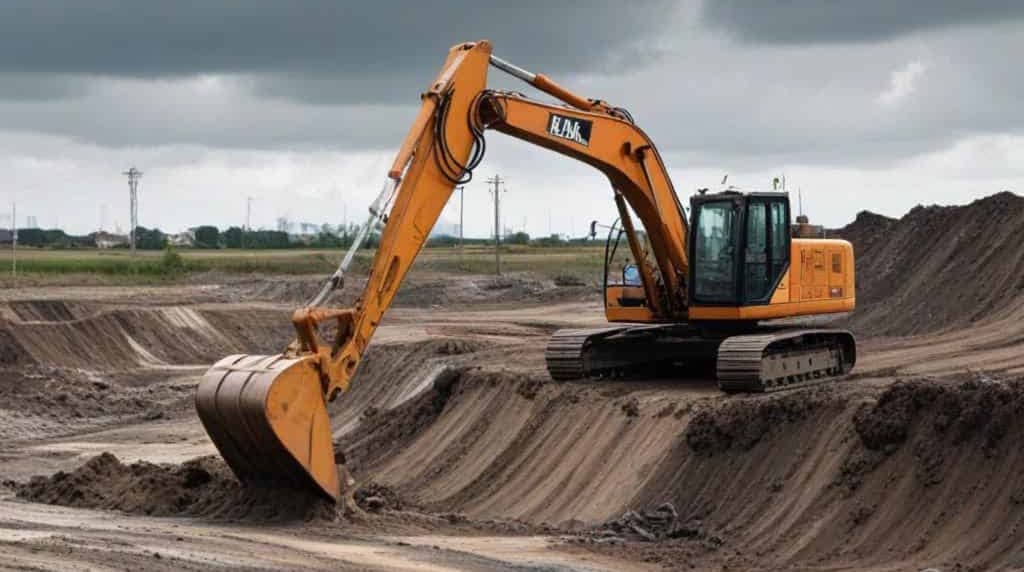
2. Remediation Strategies: A tailored remediation plan is developed based on the risk assessment results, site characteristics, and remediation objectives. Remediation options may include soil capping, encapsulation, or excavation and disposal of asbestos-contaminated soils, depending on the severity of contamination and site-specific factors.
3. Ongoing Monitoring: Regular monitoring and maintenance of remediated sites are essential to ensure the continued efficacy of asbestos management measures and to prevent re-contamination or health risks over time.
Adopting a Holistic Approach to Asbestos Management
Effectively managing asbestos in soils necessitates collaboration between land developers, environmental contractors, regulatory bodies, and other stakeholders:
1. Stakeholder Engagement: Ensuring that all relevant parties, from landowners and regulators to consultants and contractors, are involved in decision-making promotes transparency and shared responsibility in addressing asbestos risks.
2. Robust Site Investigation: Comprehensive site investigations inform risk assessments and remediation plans, helping avoid costly surprises and delays during construction or redevelopment.
3. Training and Awareness: Providing asbestos awareness training and adopting robust health and safety measures during site works help protect site operatives and minimise their risk of asbestos exposure.
4. Integrated Remediation Solutions: Combining asbestos management with other remediation strategies, such as bioremediation or materials management approaches, can streamline project timelines, reduce costs, and address multiple contaminants in an integrated manner.
Conclusion
Managing asbestos in soils is a complex and critical aspect of contaminated land redevelopment. A comprehensive understanding of asbestos identification and assessment, risk management strategies, regulatory compliance, and a holistic approach is vital for safeguarding human health and the environment in such projects.
By adopting a framework incorporating stakeholder engagement, robust site investigation, training, and integrated remediation solutions, land developers and environmental contractors can successfully navigate the challenges posed by asbestos in soils and contribute to the responsible regeneration of contaminated land. A proactive and informed approach to managing asbestos in soils can provide long-term benefits by mitigating health risks, protecting the environment, and facilitating safe land redevelopment for future generations.
As contaminated land, brownfield and environmental contracting specialists, VertaseFLI delivers complete remediation solutions & development-ready platforms for development, house building, manufacturing, and petrochem sectors specialising in materials management and asbestos in soils. If you need asbestos remediation, get in touch with us today.