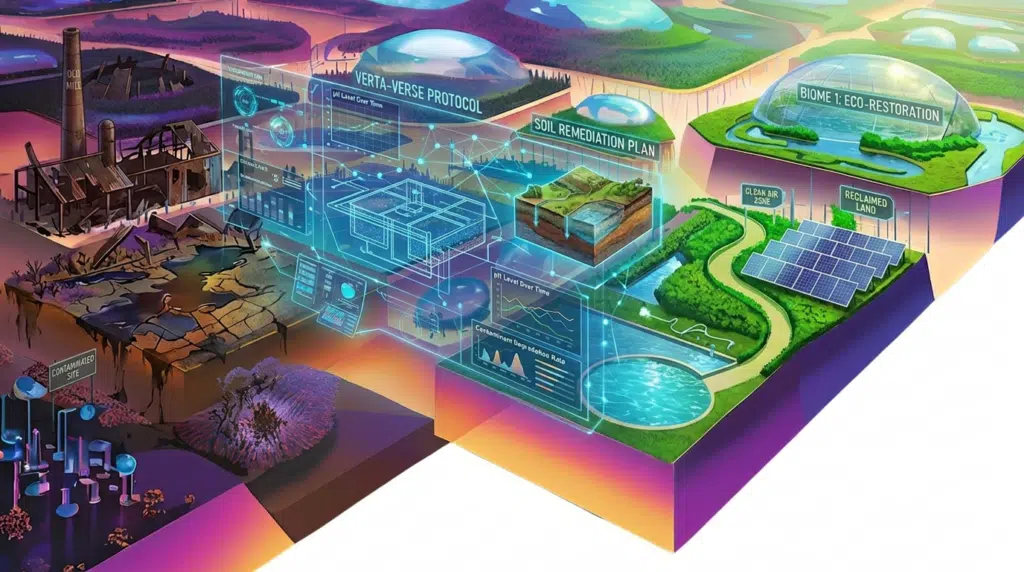
With population growth, urbanisation, and industrial development, the demand for land regeneration and the revitalisation of brownfield sites continues to rise. Consequently, the need for effective and sustainable solutions to remediate contaminated land and protect the environment and public health becomes critically important. In situ stabilisation and solidification (ISS), an innovative remediation technique, has emerged as a promising approach to addressing contaminated land challenges while minimising the environmental impact and keeping costs in check.
In situ stabilisation and solidification involve using physical and chemical processes to immobilise contaminants within the soil matrix, reducing their mobility and mitigating the risk of exposure. This method typically employs binding agents, such as cement, lime, or other proprietary formulations, to stabilise the contaminants and solidify the soil structure. As an in-situ technique, ISS mitigates the need for off-site disposal or treatment, minimising project costs and environmental impact. Furthermore, ISS has effectively treated various contaminants, including heavy metals, hydrocarbons, and organics.
This blog article takes an in-depth look at in situ stabilisation and solidification, elucidating the underlying process, its numerous advantages, and its practical applications in contaminated land remediation. We will provide insights into the successful implementation of ISS and its potential for transforming contaminated sites into development-ready platforms, ensuring that land developers and environmental contractors can make informed decisions and effectively manage complex remediation projects. Let’s get started.
The Process of In Situ Stabilisation and Solidification
To better understand the in situ stabilisation and solidification process, let us delve into its main components:
1. Site Assessment: Before commencing ISS, a comprehensive site evaluation identifies the specific contaminants and their concentrations. This assessment also informs the selection of appropriate binding agents and the design of a suitable ISS treatment strategy.
2. Binding Agent Selection: The selection of binding agents—such as cement, lime, or proprietary formulations—is contingent upon site-specific factors, including the type and concentration of contaminants and the geotechnical properties of the soil.
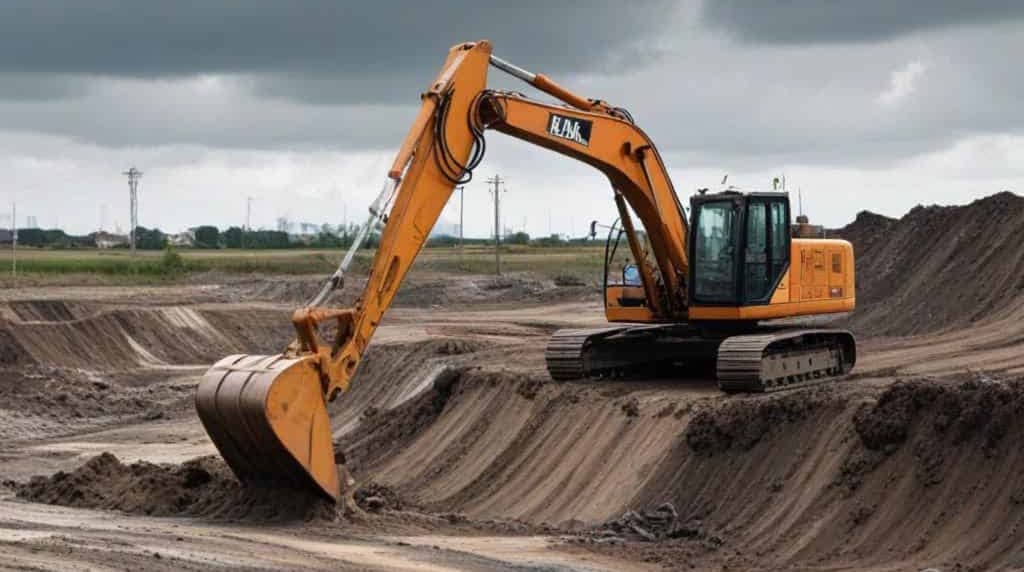
3. Mixing and Treatment: The binding agent is mixed into the contaminated soil using specialised equipment like excavators, rototillers, or augers. As the agent reacts with the contaminants, they are immobilised within the soil matrix, creating a solidified material with improved mechanical properties.
4. Verification and Quality Control: Following the treatment process, verification testing is conducted to confirm the effectiveness of the ISS and the achievement of remediation objectives. Quality control measures ensure that the treatment has achieved regulatory compliance, and further site enhancement or capping may be undertaken.
Advantages of In Situ Stabilisation and Solidification
In situ stabilisation and solidification offers several remarkable advantages over traditional soil remediation techniques:
1. Cost-effective: By eliminating the need for off-site material disposal or transportation, ISS can reduce associated project costs and shorten project timelines.
2. Environmental Impact: The in-situ nature of ISS minimises ecological disturbance and helps control dust emissions, enhancing environmental stewardship.
3. Versatility: ISS effectively treats numerous contaminants, including heavy metals, hydrocarbons, and organics, making it suitable for a wide range of remediation scenarios.
4. Site Reusability: By immobilising contaminants and improving soil properties, ISS can enable the redevelopment of contaminated sites, fostering the repurposing of otherwise unusable land.
Practical Applications of In Situ Stabilisation and Solidification
ISS has been successfully implemented in various contaminated land remediation projects, some noteworthy examples of which include:
1. Industrial Site Redevelopment: ISS was utilised to remediate an industrial site contaminated with heavy metals in the UK, enabling its redevelopment as a residential area with new homes and amenities.
2. Landfill Stabilisation: In a project in the United States, ISS was employed to stabilise and solidify a landfill site containing hazardous waste. The site was safely capped after successful treatment, and its environmental impact was mitigated.
3. Riverbank Stabilisation: ISS was utilised to stabilise a riverbank impacted by heavy metals in Canada. By immobilising the contaminants, the risk of their migration into the waterway was significantly reduced, safeguarding aquatic ecosystems and downstream water quality.
Addressing the Challenges of In Situ Stabilisation and Solidification
Despite the numerous benefits of ISS, there are potential barriers and challenges to consider as well:
1. Site Access: Utilising specialised mixing equipment necessitates adequate site access and clearance. However, innovative machinery has been developed to overcome this issue in confined spaces or densely built-up areas.
2. Treatment Depth: ISS is typically more effective when treating shallow soil contamination. However, technological advancements and treatment strategies allow for deeper contaminant immobilisation in certain scenarios.
3. Compatibility with Other Remediation Strategies: ISS may not be suitable as a standalone solution in all cases. Integrating ISS with other remediation techniques, such as bioremediation or groundwater treatment, can enhance its effectiveness in complex projects.
4. Regulatory Approvals: Obtaining regulatory approvals is paramount for successfully implementing ISS. Compliance with environmental regulations and remediation objectives is critical for projects to secure the necessary permits and approvals.
Conclusion
In situ stabilisation and solidification present a promising and innovative approach to contaminated land remediation, enabling the immobilisation of contaminants, reduction of environmental impact, and revitalisation of previously unusable land for productive purposes.
Land developers and environmental contractors can make more informed decisions and better manage complex remediation projects by exploring the process, advantages, and practical applications of ISS. As the demand for environmentally responsible land regeneration continues to grow, embracing cutting-edge techniques like ISS can contribute significantly to achieving sustainable development goals and fostering a future built on responsible land use and management.
As contaminated land, brownfield and environmental contracting specialists, VertaseFLI delivers complete remediation solutions & development-ready platforms for development, house building, manufacturing, and petrochem sectors specialising in materials management and asbestos in soils. If you need contaminated land remediation, get in touch with us today.