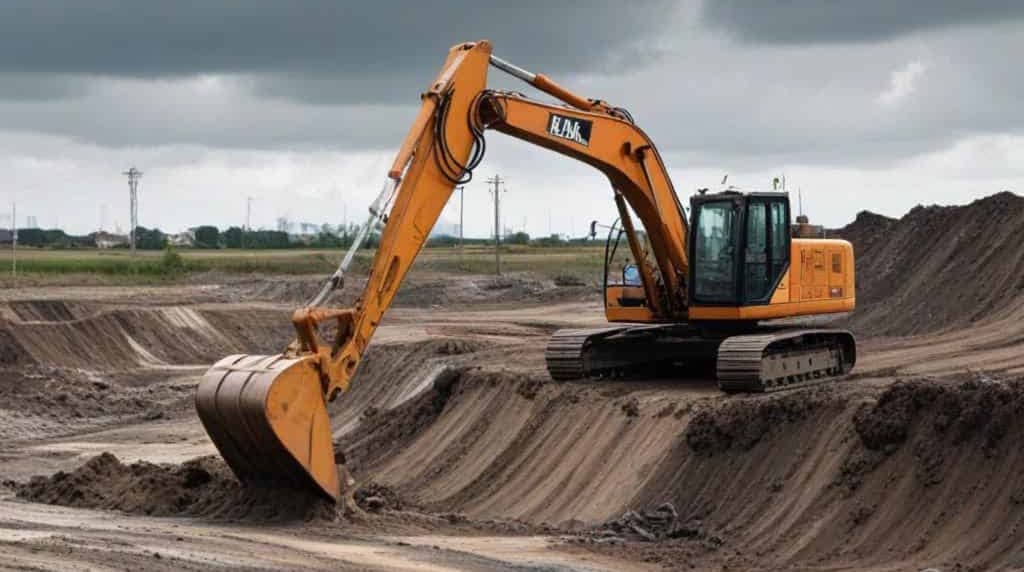
Brownfield redevelopment, a progressive and sustainable approach to urban development, often presents a myriad of challenges. Among these, the presence of asbestos in soils poses significant health and environmental risks that cannot be ignored. This necessitates a deeper understanding of asbestos, its implications, and the effective strategies for managing it during redevelopment projects.
Asbestos, a group of naturally occurring silicate minerals renowned for their heat resistance, strength, and insulating properties, was widely used in construction until the late 20th century. However, prolonged exposure to disturbed asbestos can lead to serious health conditions, including mesothelioma and lung cancer.
Dealing with asbestos in soils is not simply a question of removal or containment; it involves making informed decisions based on a variety of factors, including the type of asbestos present, the extent of contamination, the proposed end-use of the site, and the potential risk to human health and the environment.
Hazards of Asbestos in Soils
Asbestos, a naturally occurring fibrous mineral, was widely used in construction, insulation, and manufacturing industries due to its excellent heat resistance, insulating properties, and tensile strength. However, the inhalation of asbestos fibres can lead to serious health issues, including asbestosis, lung cancer, and mesothelioma, prompting strict regulations on its use and management worldwide.
The presence of asbestos in soils poses several potential hazards during brownfield redevelopment projects, including:
1. Health risks: Disturbance or removal of asbestos-contaminated soils can release fibres into the air, posing significant health risks to workers, local communities, and future site occupants.
2. Environmental concerns: Inadequate containment or improper disposal of asbestos-contaminated material can lead to the release of fibres into the environment and the contamination of surrounding ecosystems.
3. Legal and financial implications: Failure to comply with asbestos regulations can result in fines, sanctions, and even project delays, impacting project viability and stakeholder reputation.
As such, it is crucial to recognise the importance of effective asbestos management during brownfield redevelopment projects, minimising negative consequences through adherence to best practices and the implementation of specialised remediation techniques.
Site Investigations and Risk Assessment
Comprehensive site investigations are a critical component in understanding the potential risks associated with asbestos in soils. VertaseFLI’s skilled team of environmental professionals conduct thorough site assessments to identify, characterise, and quantify the extent of asbestos contamination, including:
1. Desktop study: Reviewing historical site records and regulatory data sources can provide crucial information on potential sources of asbestos, guiding subsequent field sampling efforts.
2. Site sampling and analysis: VertaseFLI’s specialists use well-established sampling protocols to ensure representative results, partnering with accredited laboratories to achieve accurate, reliable data on the type, amount, and distribution of asbestos present.
3. Risk assessment: Combining site investigation data with relevant exposure pathways and receptors, VertaseFLI performs a comprehensive risk assessment that addresses the potential health and environmental consequences of asbestos contamination.
A robust site investigation and risk assessment not only enable stakeholders to comply with legal requirements but also support informed decision-making regarding the most appropriate and cost-effective strategies for managing asbestos-contaminated sites.
Asbestos Management and Remediation Techniques
With a clear understanding of the risks associated with asbestos in soils, VertaseFLI implements a range of tailored management and remediation techniques that meet site-specific conditions and regulatory requirements, ensuring the safe and efficient redevelopment of brownfield sites:
1. Asbestos-containing material (ACM) removal: The controlled excavation and removal of visible ACM from the site, performed by qualified personnel using industry-standard precautions such as encapsulation, wetting, or dust suppression.
2. In situ management: In some cases, leaving asbestos in place under strict management controls, such as placement of clean soil caps or other barriers, may be more appropriate than removal. These measures can provide long-term protection against exposure risks while minimising the potential for harmful airborne fibre release.
3. Off-site disposal: If asbestos cannot be effectively managed on-site, VertaseFLI ensures the responsible disposal of asbestos-contaminated materials in a suitably licensed facility, adhering to all required legal and safety protocols.
4. On-site treatment: In certain scenarios, on-site treatment processes, such as soil washing and stabilisation, can be utilised to reduce asbestos concentrations and allow for the beneficial reuse of treated soils.
VertaseFLI’s expert team tailors each remediation plan to maximise efficacy, safety, and cost-effectiveness in managing asbestos-contaminated soils, supporting clients during every step of their brownfield redevelopment journey.
Monitoring and Regulatory Compliance
Ensuring ongoing compliance with all applicable regulations and guidelines is a vital part of asbestos management in brownfield redevelopment projects. VertaseFLI’s services encompass ongoing monitoring, site-specific management plans, and clear communication with regulating authorities, including:
1. Post-remediation monitoring: The periodic sampling and analysis of air, soil, and groundwater to verify the effectiveness of remediation efforts and to confirm compliance with regulatory limits.
2. Asbestos Management Plans (AMPs): The development of comprehensive AMPs that detail necessary safety procedures, roles and responsibilities, and contingency plans in the case of unexpected discoveries or changes in site conditions.
3. Stakeholder communication: Providing clear, concise documentation, including regular progress reports, final closure reports, and any notifications required by regulators, ensuring transparency and accountability throughout the project.
By maintaining a strong focus on regulatory compliance and ongoing monitoring, VertaseFLI ensures that asbestos management practices adhere to industry standards and protect local communities and the environment.
The Role of Asbestos Testing in Successful Brownfield Redevelopment
Navigating the complexities of asbestos management in brownfield redevelopment projects requires expertise, vigilance, and a commitment to best practices. Through comprehensive site investigations, risk assessments, tailored remediation strategies, and strict adherence to regulatory compliance, VertaseFLI’s experienced team of environmental contracting specialists helps clients transform asbestos-contaminated sites into safe, development-ready platforms.
With a clear understanding of the risks and management techniques surrounding asbestos in soils, stakeholders can successfully overcome these challenges and facilitate sustainable urban growth that safeguards both human health and environmental integrity.