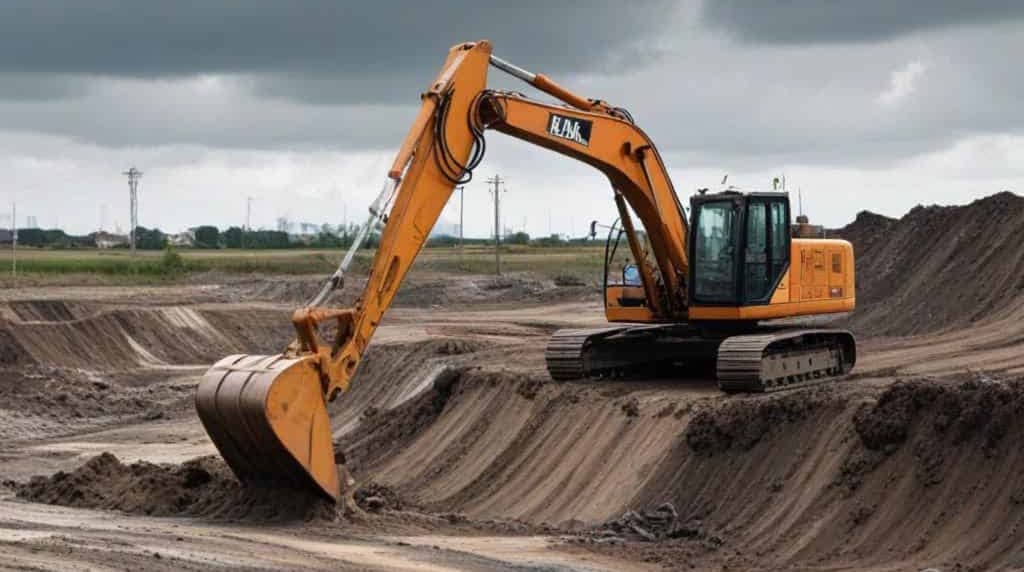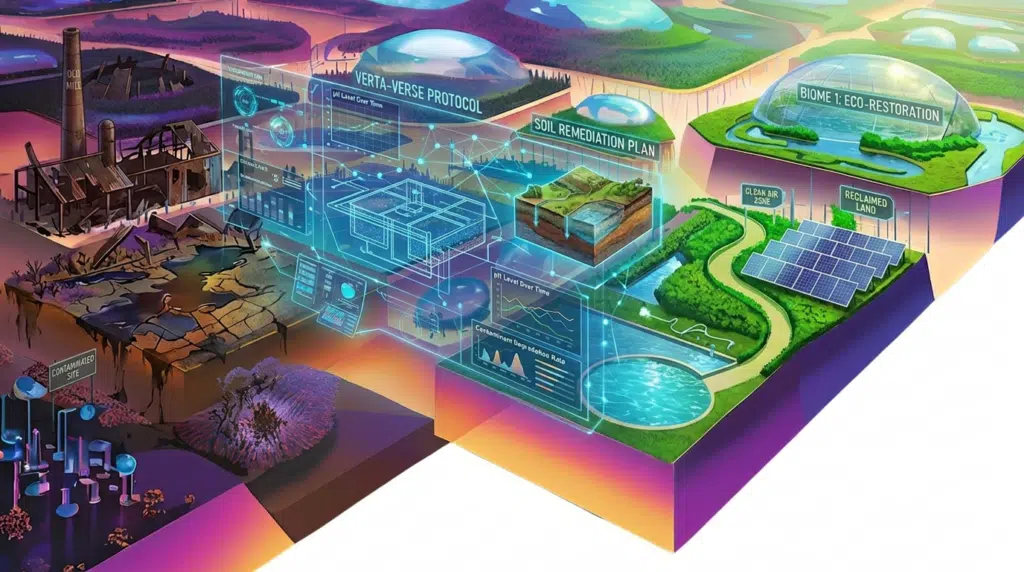
Land development, in its essence, is a transformative process, converting raw land into a form that is ready for building projects. However, it is also a process fraught with numerous environmental implications. Inefficient use of materials, wastage, and neglect of recyclable and reusable resources can lead to environmental degradation, an issue of global concern. So, the need for robust, effective, and sustainable materials management cannot be overstated.
Effective materials management entails the strategic handling of materials from sourcing to disposal. It includes the careful selection of materials, efficient usage, waste reduction, recycling, and reusing, all aimed at minimising the environmental footprint. However, achieving this is not a walk in the park. It requires an understanding of the best practices, their implementation, and the constant evaluation of their effectiveness.
Principles of Effective Materials Management
Effective Materials Management entails a solid foundation built on key principles that ensure responsible, efficient, and sustainable usage of excavated materials. These guiding principles include:
1. Waste Hierarchy: The waste hierarchy defines a prioritised approach to managing waste materials, placing emphasis on waste prevention, reuse, recycling, and recovery before considering disposal as a last resort. Implementing the waste hierarchy ensures compliance with environmental legislation and minimises environmental impact.
2. Resource Efficiency: Optimising the use of natural resources, including soil and aggregates, can reduce the demand for newly extracted materials and decrease overall project costs, while consistently aligning with sustainable development goals.
3. Regulatory Compliance: A comprehensive understanding and adherence to relevant regulatory frameworks, such as the Waste (England and Wales) Regulations 2011 and the CL:AIRE Definition of Waste Code of Practice (DoWCoP), is vital to successful Materials Management.
4. Continuous Improvement: Encouraging a culture of continuous improvement, through active monitoring, benchmarking, and performance evaluations, enables ongoing refinement of materials management strategies to maximise sustainability and efficiency in project delivery.
Best Practices for Implementing Materials Management
Implementing robust materials management practices in contaminated land and brownfield development projects involves several essential steps:
1. Site Assessment: Conduct a thorough assessment of site conditions and material characteristics to develop an understanding of the types and quantities of materials that require management throughout the project lifecycle. This evaluation also informs the development of appropriate classification and segregation strategies.
2. Materials Management Plan: Formulate a comprehensive Materials Management Plan (MMP) outlining proposed strategies for waste reduction, re-use, recycling, and disposal. The MMP should detail material tracking procedures, stockpile locations, treatment options, and disposed volumes of materials.
3. Collaboration and Communication: Foster effective communication and collaboration amongst all project stakeholders. From project managers and site operatives to regulatory authorities and landowners, stakeholder involvement is crucial to the successful delivery of a materials management strategy.
4. Monitoring and Reporting: Implement robust monitoring and reporting systems to track material movement, continually assess compliance with regulatory requirements, and evaluate performance against pre-defined sustainability objectives.
Innovative Tools and Technologies
Leveraging innovative tools and technologies can further enhance materials management in brownfield and contaminated land developments:
1. Geospatial Technologies: Employing geospatial technologies, such as Geographic Information Systems (GIS) and Global Positioning Systems (GPS), allows for spatial tracking and visualisation of material movement, contributing to improved resource allocation and efficient material deployment.
2. Material Tracking Software: Utilising purpose-built material tracking software ensures accurate record-keeping of material movement, stockpile inventories, and disposal reports, providing a wealth of data for improved decision-making and compliance management.
3. Treatment Technologies: Advances in soil and waste treatment technologies can significantly improve the reutilisation rates of excavated materials, thereby reducing the need for off-site disposal and associated transport costs.
Successful Materials Management Outcomes
The adoption of robust materials management practices has led to numerous successful outcomes for contaminated land and brownfield development projects:
1. Cost Savings: Minimising the need for off-site disposal and transport of materials can result in substantial cost savings for projects. Additionally, recycling and reusing materials can further reduce reliance on importing new materials and contribute to project cost-efficiency.
2. Environmental Benefits: By adhering to the waste hierarchy, materials management reduces the volume of waste sent to landfills, mitigates emissions from transportation, and diminishes the associated environmental impacts of development projects.
3. Compliance and Reputation: Implementing a comprehensive materials management strategy demonstrates a commitment to regulatory compliance and responsible business practices, enhancing stakeholder relationships and fostering a positive reputation in the sector.
Implementing Green Strategies in Materials Management for Land Development
Armed with the right knowledge and tools, we can transform the way we manage materials and develop land. By doing so, we can contribute to creating a sustainable, resilient, and prosperous world for future generations.
By integrating these elements into project delivery, developers and environmental contractors can realise cost savings, environmental benefits, and enhanced compliance with regulatory requirements, ultimately contributing to the broader goal of sustainable land development. To that end, get in touch with VertaseFLI’s environmental contracting specialists!