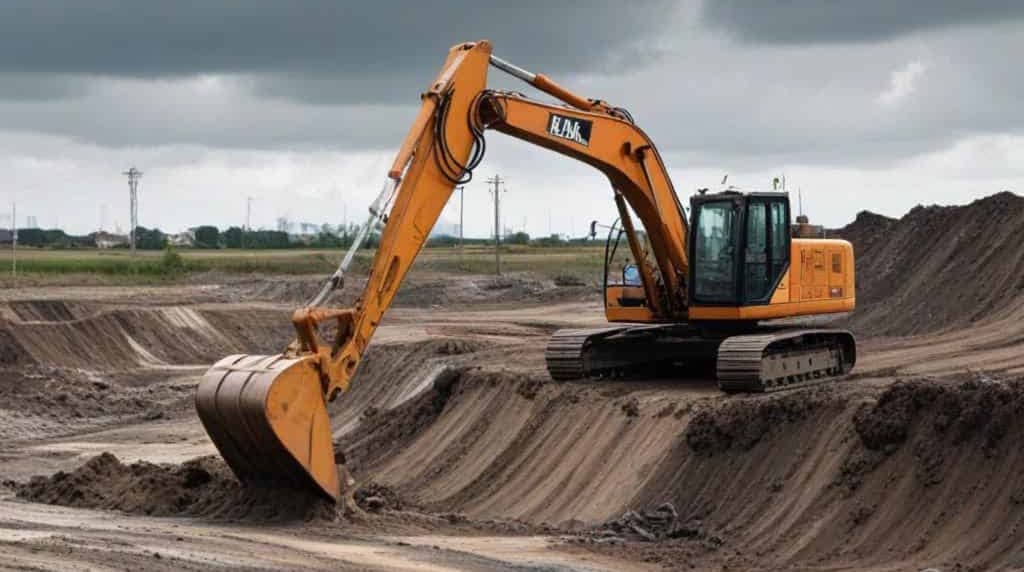
Our land silently bears the burden of our past industrial activities.
The integrity of our environment faces threats from the unseen scars of land contamination, a consequence of industrial progress and carelessness. This article explores the critical subject of contaminated land remediation, revealing strategies to restore our environment and protect our future. Readers will discover the complex approach needed to address this issue, from thorough site assessments to cutting-edge bioremediation and chemical stabilisation techniques. With an emphasis on utilising nature’s cleansing abilities through phytoremediation and grasping the science behind each method, the discussion will shed light on the routes to re-establish ecological harmony. By engaging with this piece, stakeholders, environmental professionals, and community members will recognise the lasting advantages of remediation, the importance of community engagement, and the ongoing necessity for research and progress in this essential field.
Comprehensive Site Assessment: The First Step Toward Remediation
Conducting a thorough Environmental Risk Assessment is critical for understanding the extent of land contamination. This process involves historical reviews of the site’s usage and detailed testing of soil, water, and air to determine the presence of hazardous substances. The data gathered sheds light on the types and concentrations of contaminants and the potential future risks they might pose to human health and ecosystems. Experts evaluate the toxicity of these contaminants, their pathways of migration, and their potential accumulation in biological organisms, which could affect food chains and the surrounding environment.
The integration of advanced technologies has significantly improved the accuracy of contamination mapping. Geophysical methods, remote sensing technologies, and Geographic Information Systems (GIS) help experts locate contamination ‘hotspots’. This targeted approach ensures that resources are allocated efficiently and remediation efforts are as effective as possible.

Bioremediation: Harnessing Nature’s Purifying Power
Bioremediation is a natural approach that uses microorganisms to break down hazardous pollutants into less harmful substances. It’s especially effective for treating petroleum hydrocarbons and biodegradable contaminants. The specific conditions at the contaminated site, such as viable microbial populations, adequate nutrient levels, and favourable environmental conditions, are critical for the success of bioremediation.
Selecting the right bioremediation strategy involves considering pollutant type, soil composition, climate, and potential impacts on the surrounding area. Experts must choose between in-situ and ex-situ methods, determining the most suitable approach based on the contamination level and site logistics.
Bioremediation has demonstrated success in various locations. For example, we conducted the Design-and-Build Remediation Works in Highbridge, Somerset. A land developer employed VertaseFLI to conduct a full site assessment and subsequent remediation works to discharge relevant planning conditions, allowing this sizeable contaminated site to be redeveloped for a supermarket and residential housing.
Chemical Stabilisation: A Closer Look at an Innovative Solution
Chemical stabilisation involves the application of chemical agents to contaminated soils, reacting with pollutants to diminish their mobility and toxicity. This process immobilises contaminants within the soil matrix, preventing them from spreading into the environment. Chemical stabilisation is particularly suitable for treating contaminants that are not readily biodegradable, like heavy metals.
The advantages of chemical stabilisation are particularly evident in urban and industrial areas, where the method can be deployed quickly and address a broad spectrum of contaminants. It’s a practical solution where immediate risk reduction is necessary, or other remediation methods might not be feasible due to site constraints.
While some may express concerns about the long-term efficacy of chemical stabilisation or introducing new chemicals into the environment, it effectively reduces the bioavailability and mobility of hazardous substances when properly executed. When designed and applied responsibly, it’s a safe method for protecting human health and the ecosystem.
Phytoremediation: Growing Green Solutions
Phytoremediation uses plants to absorb, concentrate, and/or degrade environmental contaminants. This sustainable method is not only cost-effective but also enhances the visual appeal of the land and promotes biodiversity. Selecting plant species for phytoremediation requires understanding the specific pollutants present and the plant characteristics that make them suitable for targeted contaminant uptake. Some plants are known to hyperaccumulate certain metals, while others have robust root systems capable of effectively degrading organic pollutants.
The long-term management and monitoring of phytoremediation projects ensure the strategy’s ongoing success. Plant health, contaminant levels, and soil conditions must be regularly checked. Monitoring confirms that the phytoremediation process is on track and allows for necessary adjustments. Additionally, proper disposal of the contaminated plant biomass is essential to prevent pollutants from re-entering the environment.
Restoring Ecological Harmony through Remediation
Our exploration of the terrain of contaminated land remediation has revealed diverse strategies that work in concert to rejuvenate our planet. From the critical Environmental Risk Assessment that provides a deep understanding of contamination to cutting-edge solutions like bioremediation, chemical stabilisation, and phytoremediation, we’ve examined an extensive toolkit for addressing these insidious threats. Each technique, with its specialised benefits, highlights the complex nature of pollution and the sophisticated approach necessary for ecological restoration.
The practical implementation of these strategies yields a remediated parcel of land and a symbol of hope and resilience. It shows our ability to amend history’s missteps and safeguard the natural world for future generations. The conversation about contaminated land continues; it is an ongoing invitation for professionals, communities, and stakeholders to stay alert and engaged. The journey toward environmental integrity is extensive, but through shared effort and expertise, we advance toward a future where the land under our care is secure and flourishing. As we conclude our article, let us embrace the belief that every restored site is a stride towards a purer, more verdant earth—a challenge we’re not merely prepared to meet but resolute to overcome.
If you’re looking for a reliable partner to handle contaminated land contracting, look no further than VertaseFLI. Our team of specialists has years of experience in the field and a proven track record of success. We offer various services tailored to your needs, including site investigation, risk assessment, and remediation. Contact us today to learn how we can help you manage your contaminated land safely and efficiently.