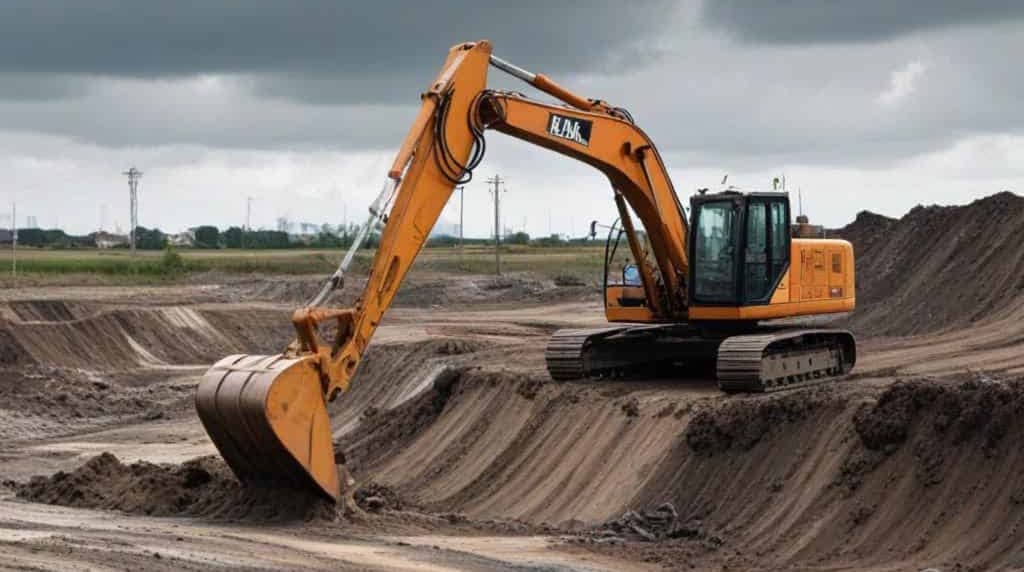
Soil contamination poses serious threats to both the environment and human health, with pollutants potentially impacting ecosystems, groundwater, and food chains. As the demand for brownfield development increases, addressing soil contamination becomes even more critical. Bioremediation presents a natural, eco-friendly, and cost-effective solution for managing soil contamination, harnessing the power of microorganisms, plants, and enzymes to break down and eliminate hazardous pollutants.
As environmental contracting specialists for the development, house building, manufacturing, and petrochemical sectors, VertaseFLI is well-equipped to implement bioremediation technologies suited to the unique challenges of each project. This article will explore the principles and advantages of bioremediation, discuss the various bioremediation techniques, and demonstrate how VertaseFLI’s expertise can support projects in employing nature’s solution to soil contamination.
The Principles of Bioremediation
Bioremediation is a natural process that uses living organisms—primarily microorganisms, plants, and enzymes—to degrade or transform contaminants into less harmful forms. It targets pollutants such as heavy metals, organic compounds, and hydrocarbons and can be employed in situ (at the contamination site) or ex-situ (off-site). The key factors that influence bioremediation efficiency include:
1. Type of contaminant: Bioremediation is most effective for degrading organic pollutants, like petroleum hydrocarbons and chlorinated solvents, while more robust solutions may be required for transforming inorganic contaminants like heavy metals.
2. Microbial activity: The effectiveness of bioremediation hinges on the ability of microorganisms to break down contaminants. The availability of nutrients, pH, temperature, and oxygen levels can significantly impact microbial activity levels.
3. Site conditions: Soil type, hydrology, and geology are critical factors that dictate the spread and mobility of contaminants and the feasibility of bioremediation.
Advantages of Bioremediation
Bioremediation offers a range of benefits when compared to traditional remediation approaches such as excavation, disposal, or containment:
1. Eco-friendliness: Bioremediation harnesses natural processes, making it an environmentally friendly and sustainable method, with minimal ecological disruptions.
2. Cost-effectiveness: Bioremediation can be more cost-effective than conventional remediation techniques, particularly for large-scale contaminated sites, as it often requires fewer resources for implementation and monitoring.
3. In situ applicability: Bioremediation can be applied directly at the contamination source, reducing the need for excavation, transportation, and off-site disposal, thus also reducing the associated risks and costs.
4. Public acceptance: Bioremediation is generally viewed more favourably by the public, as it aligns with a growing preference for environmentally friendly approaches to land remediation.
Types of Bioremediation Techniques
There are various bioremediation methods, each suited to different types of contaminants, environmental conditions, and project objectives:
1. Microbial Bioremediation: This method employs indigenous or introduced microorganisms, such as bacteria and fungi, to metabolise and degrade contaminants. Enhanced bioremediation may involve adding nutrients, oxygen, or other stimulants to support microbial growth and activity.
2. Phytoremediation: Phytoremediation uses plants, primarily tall grasses and trees, to absorb, accumulate, or degrade contaminants. In some cases, the contaminants are stored within the plant tissues, which can be harvested and subsequently disposed of safely.
3. Bioventing: This technique delivers air directly into the subsurface to stimulate the biological degradation of contaminants by indigenous microorganisms. It is predominantly used for treating petroleum-hydrocarbon-contaminated soils.
4. Biosparging: Biosparging involves injecting air or oxygen directly into the groundwater to promote the biodegradation of contaminants by indigenous microorganisms. It is effective for treating volatile organic compounds such as chlorinated solvents.
VertaseFLI’s Approach to Bioremediation
VertaseFLI’s expert team employs a strategic approach to harness the power of bioremediation, tailored to the unique requirements of each project and industry sector:
1. Site Assessment: Comprehensive site investigations, including soil and groundwater sampling, provide vital information about contaminant type, concentration, and distribution. VertaseFLI’s qualified professionals use this data to determine the feasibility and appropriateness of bioremediation as a remediation strategy.
2. Selection of Bioremediation Method: VertaseFLI’s team uses their extensive knowledge of bioremediation technologies to select the most suitable method for each project, factoring in contaminant type, site conditions, and project goals.
3. Implementation and Monitoring: VertaseFLI deploys the chosen bioremediation technology, ensuring minimal disturbance to the environment. Monitoring progress throughout the process is essential for gauging treatment efficacy, assessing the necessity for adjustments, and determining when remediation objectives have been met.
4. Regulatory Compliance: VertaseFLI liaises with regulatory agencies, ensuring its bioremediation approaches meet environmental standards and comply with industry regulations.
Case Study: Effective Bioremediation Techniques by VertaseFLI
An example of VertaseFLI’s expertise in bioremediation implementation is the former gasworks and coking factory site in Southampton, UK. The site had high tar and hydrocarbon contamination concentrations, posing significant environmental risks. VertaseFLI designed and implemented a combination of bioremediation techniques, including bioventing and microbial bioremediation, to successfully treat the contaminated soils. The project resulted in 60,000 tonnes of soil being remediated on-site, averting the need for off-site disposal. This sustainable method allowed for the site’s successful redevelopment into a mixed-use residential and commercial area, showcasing the power of bioremediation in facilitating brownfield regeneration.
Embracing Nature’s Ingenuity with VertaseFLI’s Bioremediation Solutions
Bioremediation is a powerful and eco-friendly solution for addressing soil contamination, capable of transforming pollutants through the natural processes of microorganisms, plants, and enzymes. VertaseFLI’s expertise in environmental contracting provides clients with tailored bioremediation strategies designed to meet the unique challenges of diverse industry sectors. With their extensive knowledge, commitment to sustainability, and regulatory compliance, VertaseFLI is equipped to support projects in tackling soil contamination safely, effectively, and economically.
To discover how VertaseFLI’s bioremediation solutions can help revitalise contaminated land and facilitate successful brownfield redevelopment, contact their team of experts and embark on a journey towards cleaner, healthier, and more sustainable environments.