The former Woodford Aerodrome was being redeveloped in phases into a new housing development with associated schools and local amenities. The Phase 4 was to be remediated and returned to agricultural use.
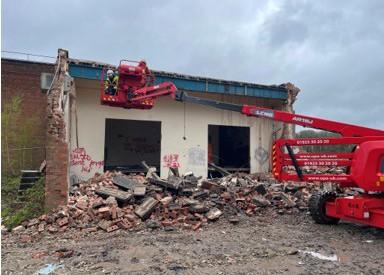
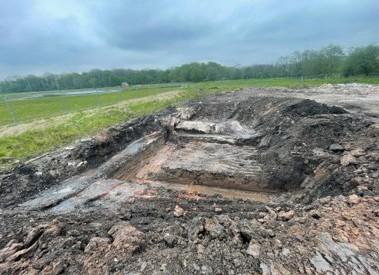
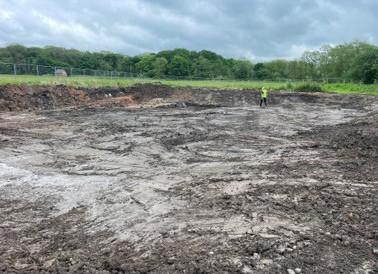
APC33, an area situated under the historical bird gun building 46 was identified to hold PCB contamination. The scope of works was to demolish Building 46, excavate APC33 below and export the impacted material to a suitably licenced facility whilst retaining any suitable material on site. APC33 was backfilled with previously remediated material to original ground level.
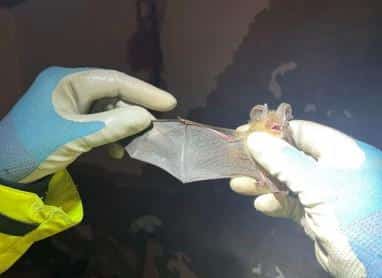
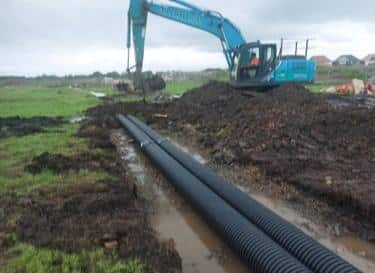
Building 46 had ecological constraints as it was utilised as a bat breeding location. The demolition was agreed under licence to remove the bats to a newly built bat house. Additional drainage works were instructed to help alleviate water through the construction site. VertaseFLI constructed a culvert, headwall and berm.
Client
HARROW ESTATES
Location
WOODFORD AERODROME
Project Value
£440,000
Duration
10 WEEKS
Services Provided
DEMOLITION OF
BUILDING 46 WITH CONSIDERATION
TO THE ECOLOGICAL CONSTRAINTS,
AND REMEDIATION OF THE APC33 PCB
HOTSPOT BENEATH.
VertaseFLI Role:
VertaseFLI were appointed principal contractor to deliver the remediation of Phase 4. The key roles comprised:
Production of Asbestos Plan of Works and Methodology.
Liaison with the designated ecologist to establish the bounds and methodology to safely remove bats under license.
Careful soft strip demolition of Building 46 whilst inspecting the cavities for bats.
12 bats were discovered during the soft strip which were required to be safely removed, checked for injury, and placed within the newly constructed bat house.
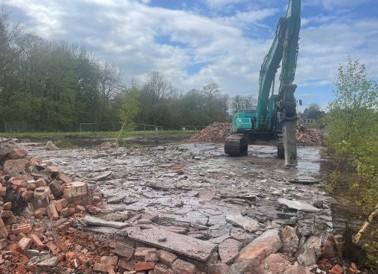
Removal of underground structures.
Processing of the building materials and underground structures, crushing to 6F.
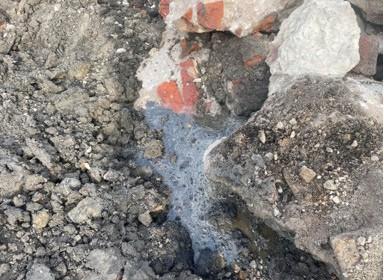
Excavation of identified hotspot APC33. Additional contaminated materials were identified within the excavation comprising asbestos fragments and hydrocarbons. These materials were tested and segregated to be processed differently.
Material segregation and material tracking.
Bio-remediation of hydrocarbon impacted soils.
Offsite disposal of unsuitable soils.
Reinstatement of APC33 area using suitable materials.
Construction of a sandbag headwall at the established outfall point.
Cleaning of established interceptor.
Construction of a culvert within the existing drainage ditch.
Building 46 was historically unsafe to remain on site and so the demolition enabled the area to be utilised again. The bats were identified during the soft demolition of the building, hiding within the crevices. Working alongside ecologist the bats were safely moved under license to a newly constructed bat house specifically designed to support the species inhabiting the area. The bat house was constructed by VertaseFLI the previous year.
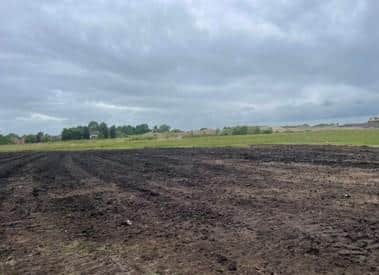
The remediation allowed the site to be returned to agricultural use and help support the vast array of wildlife inhabiting the area.
VertaseFLI were versatile in adapting to the clients needs. Construction on the wider site created a need for water alleviation which was supported in the construction of the culvert, berm and headwall that directed water to the established outfall.