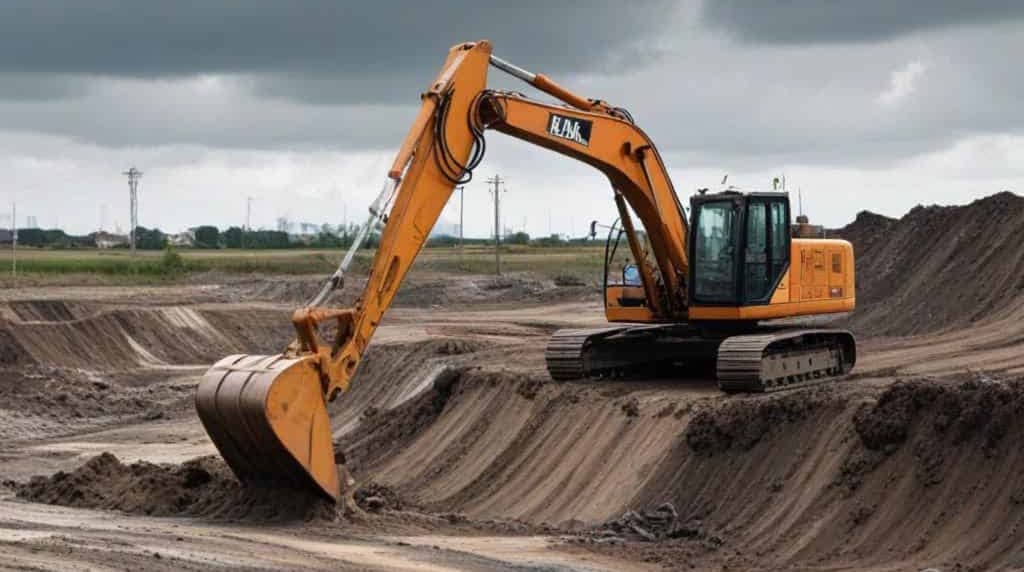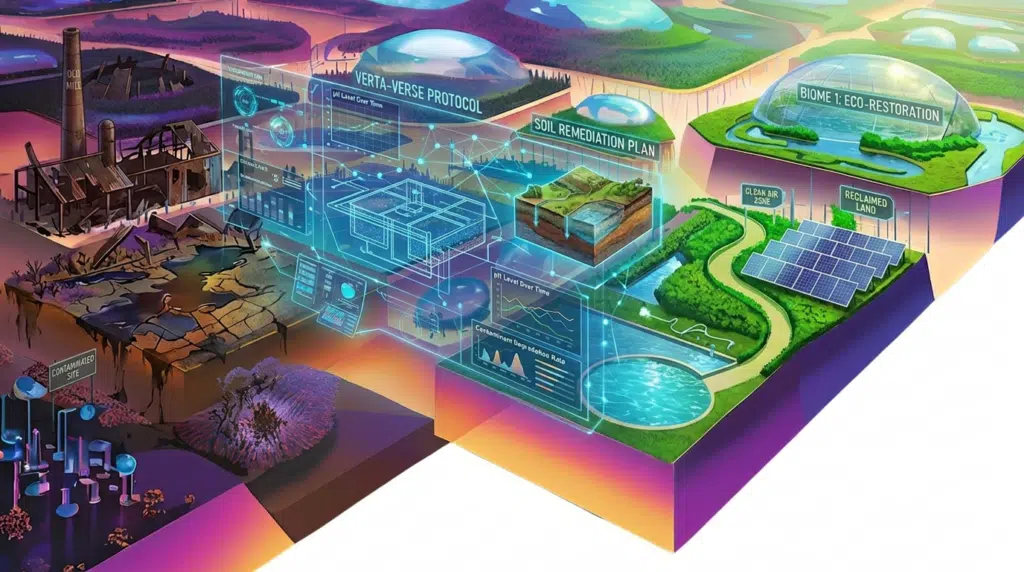
As urban landscapes continue to expand, the need for viable land increases, bringing the issue of brownfield sites into focus. Brownfield sites, previously utilised for industrial or commercial purposes, often harbour substantial soil pollution. This contamination, if left untreated, poses significant health and environmental risks.
However, these sites also present an opportunity for redevelopment, providing a means to manage urban growth sustainably. This necessitates the need for effective and sustainable soil treatment techniques that not only remediate these sites but also contribute to environmental preservation.
Bioremediation
As discussed in a previous blog, bioremediation is a sustainable soil treatment technique that harnesses natural processes to degrade and remove contaminants from soil and groundwater. Using microorganisms or plants to break down pollutants, bioremediation offers numerous benefits, including:
1. Cost-effectiveness: Lower infrastructure and operational costs compared to traditional remediation methods.
2. Environmental friendliness: Natural processes and minimal habitat disturbance ensure a lower environmental impact.
3. Versatility: Bioremediation applies to various pollutants and site conditions, using in-situ and ex-situ techniques to fulfil a wide range of project requirements.
VertaseFLI leverages bioremediation solutions in brownfield redevelopment, employing tailored strategies that optimise environmental outcomes and value for clients.
Soil Stabilisation
Soil stabilisation refers to the process of altering soil properties to improve its engineering performance and environmental characteristics. In the context of brownfield redevelopment, soil stabilisation techniques typically involve chemical or physical treatment to immobilise pollutants, reducing their mobility, bioavailability, and potential ecological risks. Key benefits of soil stabilisation include:
1. Onsite management: Contaminants are treated in-place or onsite, minimising transport and disposal requirements, and related costs.
2. Risk reduction: By stabilising pollutants, soil stabilisation minimises the potential for environmental harm and human health risks.
3. Material reuse: Stabilised soil can be used in construction or landscaping applications, supporting resource efficiency and waste reduction.
VertaseFLI utilises soil stabilisation approaches to manage various pollutants, offering innovative, sustainable, and cost-effective treatment solutions for brownfield redevelopment.
Materials Management
Materials management is a fundamental aspect of sustainable brownfield redevelopment, streamlining the use of soils and construction materials whilst minimising waste and associated disposal costs. VertaseFLI’s expertise in materials management includes:
1. Site investigation and characterisation: Comprehensive data collection and analysis enable VertaseFLI to understand material properties and distribution, informing appropriate management strategies.
2. Regulatory compliance: Materials management plans comply with local environmental regulations and industry best practices, ensuring transparent and compliant project delivery.
3. Resource optimisation: By maximising the reuse of onsite materials, VertaseFLI’s materials management promotes sustainable, cost-effective, and environmentally responsible remediation projects.
Implementing robust materials management strategies, VertaseFLI upholds sustainable development principles, reducing waste generation, and optimising resource use in brownfield redevelopment projects.
The Role of Soil Treatment in the Sustainable Redevelopment of Brownfield Sites
With a comprehensive suite of sustainable soil treatment techniques, VertaseFLI is ideally positioned to support the successful redevelopment of contaminated land and brownfield sites. Employing bioremediation, soil washing, stabilisation, and materials management, VertaseFLI’s solutions align with environmental stewardship, cost-effectiveness, and long-term community prosperity.
By embracing these innovative soil treatment techniques, stakeholders in brownfield redevelopment can make informed decisions that best serve the environment, local communities, and project objectives.
Our environmental contracting specialists’ commitment to environmental excellence ensures that each project transforms formerly contaminated land into valuable assets, contributing positively to sustainable urban growth, green spaces, and local economies.