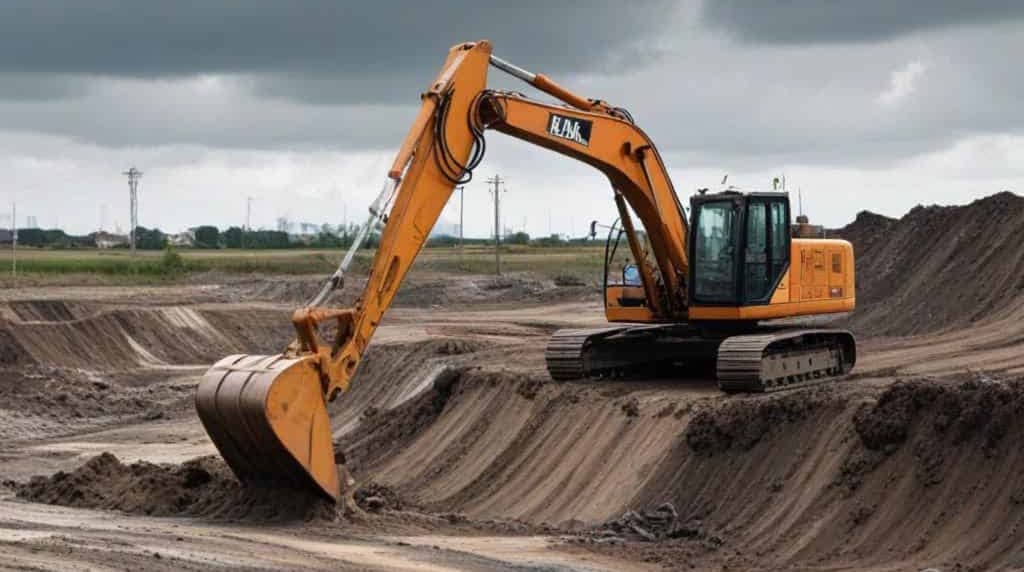
Environmental contamination from industrial and urban activities poses significant challenges for development projects, with soil and groundwater pollution directly impacting public health, property values, and ecological integrity. As environmental contracting specialists catering to development, house building, manufacturing, and petrochemical sectors, we are dedicated to offering innovative and cutting-edge soil and groundwater remediation technologies to restore and preserve the environment.
This article delves into the latest advancements in remediation techniques, spotlighting how our in-depth knowledge and experience translate to effective and efficient site cleanup. Learn how our team is championing forward-thinking solutions that not only address contamination concerns but also set new standards in sustainable and environmentally conscious remediation endeavours.
In-Situ Soil and Groundwater Remediation Techniques
In-situ remediation technologies focus on treating soil and groundwater contamination directly on-site, without the need for excavation or extraction. These techniques are increasingly popular due to their cost-effective and environmentally friendly nature. Some of the prominent in-situ remediation methods include:
1. Air Sparging: This technology involves injecting air into contaminated groundwater, causing volatile organic compounds (VOCs) to evaporate and be safely extracted in vapour form. This method is particularly effective in combating contamination caused by petroleum hydrocarbons and volatile organic solvents.
2. Enhanced Biodegradation: We employ enhanced biodegradation to treat soil and groundwater contaminated with organic pollutants by stimulating the growth of microorganisms that break down the contaminants naturally. This method often uses biostimulants or bioaugmentation to boost the effectiveness of the microbial degradation process.
3. In-Situ Chemical Oxidation (ISCO): ISCO utilises strong oxidising agents, such as hydrogen peroxide or ozone, to break down contaminants directly in the subsurface. This method is effective against a variety of pollutants, including chlorinated solvents, petroleum products, and aromatic hydrocarbons.
Ex-Situ Soil and Groundwater Remediation Techniques
Ex-situ remediation technologies involve removing contaminated soil and groundwater from the site to be treated elsewhere. Although these techniques can be more labour-intensive and costly, they often prove effective in addressing high levels of contamination. Popular ex-situ remediation pathways include:
1. Soil Washing: Soil washing separates contaminants from the soil through a combination of physical and chemical processes. Contaminated soil is mixed with water and, in some cases, a detergent, resulting in the transfer of contaminants to the washwater. This method is effective in treating soils contaminated with heavy metals, radioactive materials, and petroleum-based products.
2. Pump-and-Treat: This approach involves extracting contaminated groundwater for treatment aboveground, typically using filters, chemicals, or biological processes to remove contaminants. The treated water is then either discharged or reintroduced to the groundwater system. Pump-and-treat is mainly effective for addressing dissolved contaminants, such as heavy metals and volatile organic compounds.
Combining Remediation Technologies for Maximum Effectiveness
We recognise that tackling complex contamination challenges often requires employing a combination of remediation technologies to achieve the desired results. Our expert team evaluates each project’s unique contamination profile, devising tailored remediation approaches to address the specific requirements of each site.
1. Phased Remediation: Our team may design a phased approach where one remediation technique is utilised first, followed by another, ensuring comprehensive contaminant treatment. For example, soil excavation can be combined with ex-situ bioremediation to reduce overall contaminant concentrations and expedite the cleanup process.
2. Concurrent Remediation: In some cases, deploying multiple remediation technologies simultaneously can enhance the overall efficiency and effectiveness of the cleanup process. For example, combining enhanced biodegradation with in-situ chemical oxidation can tackle diverse contamination types more thoroughly than relying on a single approach.
Our Commitment to Sustainable Remediation Solutions
We acknowledge the importance of implementing sustainable and environmentally responsible remediation solutions. Our focus extends beyond just addressing contamination by also minimising the environmental impacts associated with the remediation process itself.
1. Resource Efficiency: We strive to use energy and natural resources efficiently during remediation work, continually optimising our processes to minimise waste generation, water usage, and carbon emissions.
2. Eco-Friendly Materials: Our remediation practices promote the use of eco-friendly materials, such as biodegradable chemicals and green sorbents, to minimise negative environmental consequences.
3. Habitat Restoration: In addition to treating contamination, we aim to restore impacted ecosystems and habitats by fostering biodiversity and reintroducing native flora and fauna in consultation with local stakeholders and experts.
Monitoring and Evaluation in Remediation
Monitoring and evaluation are critical components of any remediation project, ensuring that the chosen technologies effectively address contamination challenges and validating the quality of the finished work.
1. Field Sampling: Throughout the remediation process, our team conducts ongoing field sampling and analysis to monitor contaminant levels and evaluate the efficacy of chosen remediation techniques.
2. Compliance Monitoring: We work closely with regulatory bodies and stakeholders to comply with all necessary standards and guidelines, guaranteeing that completed projects meet legal and environmental requirements.
3. Adaptive Management: By continuously assessing the progress and effectiveness of our remediation efforts, we can adapt and refine our approach as needed, ensuring our solutions stay aligned with project goals and environmental concerns.
Choose the Experts for Innovative and Sustainable Soil and Groundwater Remediation
Effectively addressing soil and groundwater contamination challenges is paramount for the successful completion of development projects and the preservation of our environment. VertaseFLI’s diverse array of innovative remediation technologies, combined with our dedication to sustainability and ecological responsibility, ensures that your project receives the most efficient and environmentally conscious treatment.
Contact us today to explore our comprehensive range of services and learn how our team of environmental contracting specialists can help you overcome contamination challenges, protect public health, and safeguard the environment. Unlock the potential of your development project with VertaseFLI’s expertise in soil and groundwater remediation, delivering tailored solutions that yield lasting results for a cleaner, safer, and more sustainable future.