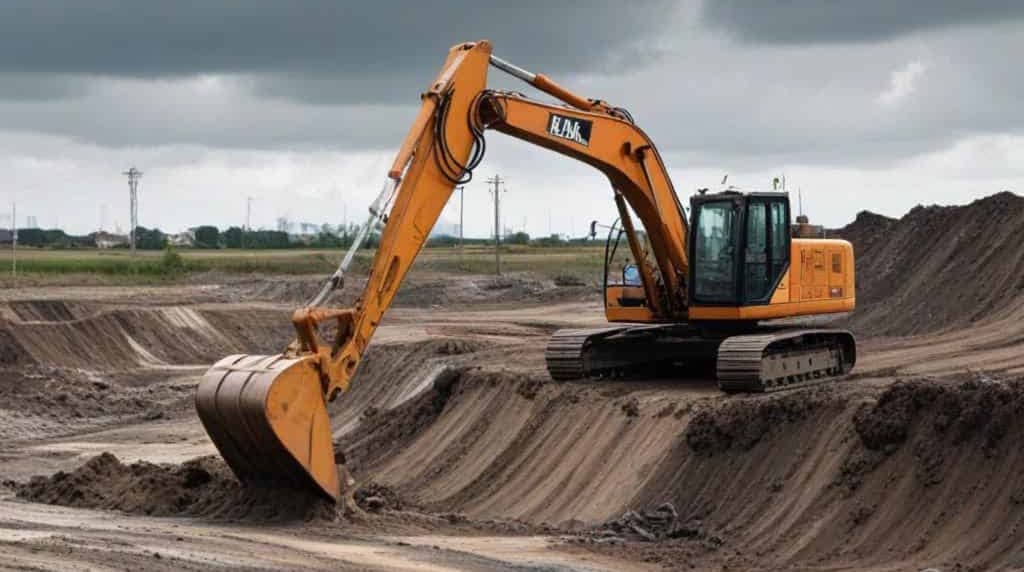
The redevelopment of brownfield sites, previously used for industrial or commercial purposes, plays a critical role in addressing the increasing demand for land in the housing, manufacturing, and petrochemical sectors. While these sites offer vast potential for urban regeneration, creating new job opportunities, and stimulating economic growth, their transformation often poses unique environmental challenges due to existing contamination.
We are an expert in contaminated land management and remediation and are committed to assisting our clients in achieving successful brownfield redevelopment projects that transform problematic sites into sustainable, secure, and valuable assets.
The remediation process is at the heart of any brownfield redevelopment project, encompassing a wide range of activities aimed at mitigating risks posed by contaminated land to human health, the environment, and future site users. With its complexities, the remediation process requires a thorough understanding of the key stages involved in site investigation, risk assessment, remedial strategy design, implementation, and validation. By mastering the principles underlying each of these stages, stakeholders can ensure long-term project success while adhering to regulatory requirements and maintaining a strong focus on sustainability.
In this blog post, we will guide you through the essential steps of the remediation process in brownfield site redevelopment projects, highlighting essential principles, best practices, and the critical role of expert collaboration. Our goal is to equip you with a better understanding of how to navigate the challenges of contaminated land management and play an active role in fostering a sustainable, environmentally responsible approach to brownfield regeneration.
Site Investigation and Data Collection
A comprehensive site investigation lays the foundation for successful remediation planning in brownfield redevelopment projects. The primary goals of a site investigation are to identify the contaminants present, their distribution, and the potential risks posed to human health and the environment. Key steps in conducting site investigations include:
1. Desk Study: A thorough desktop study involves collecting historical information on the site, such as previous land uses, environmental records, and geotechnical data. This information provides valuable insights into potential contamination sources and informs subsequent fieldwork.
2. Site Walkover and Visual Assessment: A site walkover allows the assessment team to observe the site’s physical characteristics, such as signs of contamination, hazardous materials, or underground structures, which might impact the remediation process.
3. Soil Sampling and Laboratory Analysis: Based on the findings of the desk study and site walkover, a targeted sampling programme can be devised. Soil and groundwater samples are collected and sent to an accredited laboratory for contaminant analysis.
Risk Assessment and Remedial Objective Setting
Following the site investigation, a detailed risk assessment is required to evaluate the potential hazards associated with the identified contaminants. A risk assessment typically includes:
1. Human Health Risk Assessment: This assessment aims to quantify the likelihood of adverse health effects resulting from exposure to contaminants through inhalation, ingestion, or skin contact.
2. Environmental Risk Assessment: This component identifies potential risks to the surrounding environment, such as impacts on ecological habitats, watercourses, or groundwater resources.
3. Remedial Objective Setting: Based on the risk assessment findings, remedial objectives are established and appropriately aligned with the planned future land use. These objectives serve as a basis for devising an effective remedial strategy.
Selection and Implementation of Remediation Strategy
With a clear understanding of the site’s contamination profile and risk assessment results, the appropriate remediation strategy can be selected and implemented. The chosen strategy should be fit-for-purpose, cost-effective, and in line with regulatory requirements. Notable aspects of this stage include:
1. Remedial Technology Selection: The selection of the most suitable remediation technology depends on various factors, including the contaminants present, the site’s geology, and the project’s remedial objectives. Potential methods range from in-situ treatments to excavation and off-site disposal.
2. Remediation Plan Development: A detailed remediation plan outlines the chosen strategy, from remedial technology application to site management, health and safety, and programme scheduling. The plan should be developed in consultation with appropriate regulatory bodies and stakeholders.
3. Implementation and Monitoring: Remediation works are conducted according to the approved plan. Continuous monitoring of site activities is essential for ensuring that desired outcomes are achieved and any unforeseen issues are promptly addressed.
Validation and Site Closure
Upon completion of remediation works, site validation is crucial to demonstrate that remedial objectives have been met and the site is suitable for its intended use. Key elements of the validation process include:
1. Post-Remediation Sampling: Soil and groundwater samples are collected following remediation to confirm the success of the implemented strategy. These samples are compared against baseline data and remedial objectives to ensure compliance.
2. Validation Report Preparation: A comprehensive validation report provides evidence to regulatory bodies that the remediation process has met its objectives. The report includes details of the remediation works, monitoring results, and post-remediation sample analysis.
3. Site Closure and Regulatory Sign-Off: Once validation is confirmed, the site can be considered closed and ready for redevelopment. Regulatory sign-off is obtained, and the project is handed back to the site owner or developer, allowing for the commencement of construction or site operation.
Final Thoughts
The remediation process is a complex yet vital element of brownfield site redevelopment, aiming to transform contaminated land into safe, sustainable spaces for housing, commercial, and industrial purposes. By understanding and effectively navigating the key stages involved in site investigation, risk assessment, remedial strategy selection, implementation, and validation, project stakeholders can ensure the long-term success and viability of brownfield land development projects.
A comprehensive approach to remediation, underpinned by expert collaboration and a commitment to sustainability, can pave the way to responsible urban regeneration and economic development while preserving the health and well-being of communities and the environment. Contact our remediation contractors to learn more!