Restoring landscapes to their aesthetic and ecological potential following environmental remediation is a vital endeavour that brings beauty, biodiversity, and long-lasting sustainability to rejuvenated sites.
As a leading environmental contracting specialist serving sectors such as development, house building, manufacturing, and petrochemicals, VertaseFLI recognises the importance of post-remediation landscape restoration in shaping more harmonious and resilient environments. This article will delve into the numerous aesthetic and environmental benefits that landscape restoration offers after remediation, shedding light on the valuable role that we at VertaseFLI play in transforming reclaimed land into thriving, vibrant spaces that serve communities and ecosystems alike.
Learn how post-remediation landscape restoration helps create a brighter, greener future for both people and the planet by adding value, fostering sustainability, and enhancing shared spaces for generations to come.
The Importance of Landscape Restoration Following Remediation
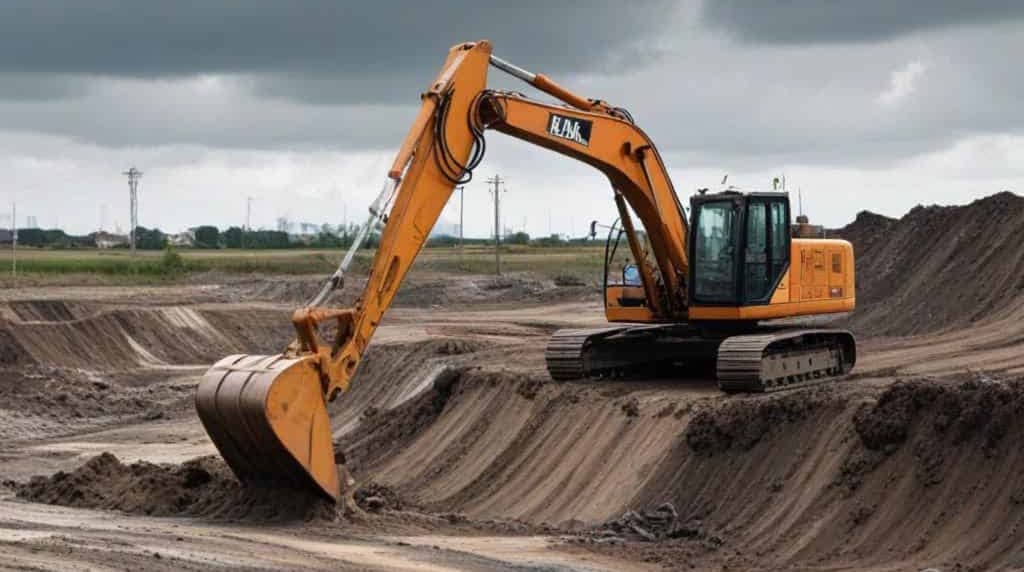
The process of remediation often requires the disturbance and removal of considerable amounts of soil, vegetation, and natural features, potentially causing a significant impact on the visual appeal and ecological balance of a site.
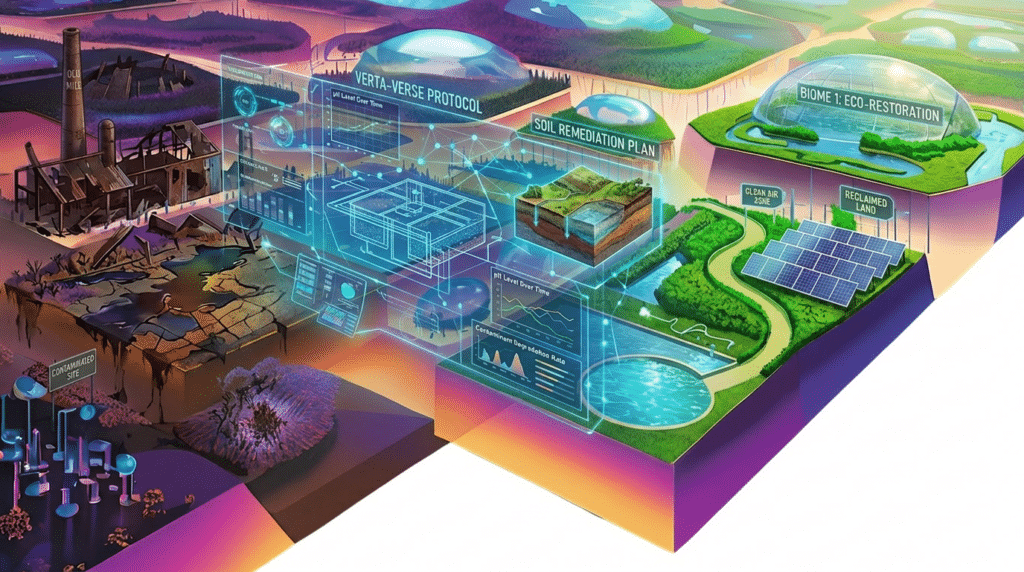
Post-remediation landscape restoration aims to revitalise the degraded environment by enhancing its aesthetic, ecological, and functional attributes. This restoration process is integral to the success of remediation projects, fostering healthier environments while improving communities’ quality of life. Here are some key reasons why restoring landscapes after remediation is vital:
1. Aesthetic Enhancement: Reclaiming the visual appeal of a site enhances communal spaces and adds value to surrounding properties, promoting growth and development within the vicinity.
2. Habitat Restoration: Providing suitable habitats for a variety of flora and fauna contributes to increased biodiversity and the establishment of more resilient ecosystems.
3. Erosion Control: Implementing appropriate landscape restoration measures, such as vegetation establishment and slope stabilisation, minimises erosion and sedimentation risks.
4. Functional Benefits: Creating functional outdoor spaces for recreational, social, or educational purposes improves the overall usability and liveability of an area.
Aesthetic Benefits of Post-Remediation Landscape Restoration
An aesthetically pleasing landscape has lasting, positive effects on the community and the environment. Here are some of the aesthetic benefits of landscape restoration following remediation:
1. Visual Appeal: By reintroducing native plants, trees, and landscape features, our team can create dynamic, engaging, and visually harmonious spaces that revitalise previously degraded areas.
2. Increased Property Value: Research shows that attractive landscapes can significantly increase the value of surrounding properties, encouraging further development and investment in the area.
3. Sense of Place: A well-designed landscape can foster a unique sense of identity, pride, and belonging for community members, encouraging interaction, collaboration, and stewardship of the restored environment.
Environmental Benefits of Post-Remediation Landscape Restoration
Restored landscapes contribute to various environmental improvements that extend beyond merely enhancing visual appeal. Some key environmental benefits include:
1. Habitat Creation: Establishing diverse, native plant communities can provide essential habitats and resources for a wide array of wildlife, supporting increased biodiversity and more robust ecosystems.
2. Carbon Sequestration: Planting trees and other vegetation can help mitigate climate change by absorbing and storing atmospheric carbon dioxide, promoting a cleaner, healthier environment.
3. Improved Water Quality: Restored landscapes can reduce soil erosion, sedimentation, and pollutants entering water bodies, thereby enhancing surface and groundwater quality.
4. Resource Conservation: Using native plants and sustainable landscape design principles can conserve resources such as water, energy, and nutrients, ultimately supporting more sustainable environments.
5. Pollinator Support: Including plants with flowers, fruits, and seeds in the landscape restoration plan can attract pollinators like bees, butterflies, and birds, helping to maintain healthy ecosystems and entire food chains.
VertaseFLI’s Expertise in Landscape Restoration
Our team at VertaseFLI recognises the importance of holistic and sustainable landscape restoration solutions following remediation efforts. We take pride in our ability to collaborate with clients, landscape architects, and ecologists in designing and implementing landscape restoration projects tailored to the specific needs of each site. Our services encompass:
1. Site Assessment: We begin by thoroughly assessing the site to determine the most appropriate restoration strategies based on factors such as topography, soil conditions, local ecology, and project objectives.
2. Landscape Design: Our collaborative approach ensures that landscape designs integrate seamlessly into the surrounding environment, maximising both aesthetic and ecological values.
3. Plant Selection: We carefully select indigenous species that enhance the site’s biodiversity and visual appeal, considering factors such as habitat value, resource conservation, and ongoing maintenance requirements.
4. Implementation: Our highly skilled and experienced team can efficiently implement a wide range of landscape restoration techniques, such as grading, soil treatment, and planting, to deliver successful and enduring results.
Monitoring and Maintenance for Landscape Restoration Success
Achieving long-term success in landscape restoration projects requires diligent monitoring and ongoing maintenance. Our commitment to sustainable outcomes includes monitoring the site’s progress throughout the establishment phase, ensuring that the restored landscape thrives and meets its intended objectives over time. Key components of our monitoring and maintenance services include:
1. Performance Evaluation: We regularly inspect and evaluate the site to identify any issues or opportunities for improvement, rectifying problems as necessary to enhance the landscape’s health and function.
2. Adaptive Management: As landscapes evolve and mature, we adapt management practices to respond to changing conditions, optimising the long-term sustainability and resilience of the restored environment.
3. Public Engagement: Our collaborative approach involves engaging local community members and stakeholders in the landscape restoration process, fostering a sense of shared stewardship and ongoing investment in the project’s success.
Realise Your Site’s Full Potential with Us
Restoring landscapes following remediation provides a plethora of aesthetic and environmental benefits that contribute to healthier, more sustainable, and vibrant spaces for both people and the planet. At VertaseFLI, we understand the importance of unique, eco-friendly, and visually appealing landscape solutions that perfectly complement our remediation efforts. Allow our team of skilled professionals to assist you in unlocking your site’s full potential through expert landscape restoration services.
Contact us today to explore how we can collaborate on your contaminated land remediation projects and achieve lasting positive impacts through innovative landscape restoration. Together, let’s create a greener and more resilient future by transforming remediated spaces into cherished, thriving environments for generations to come.