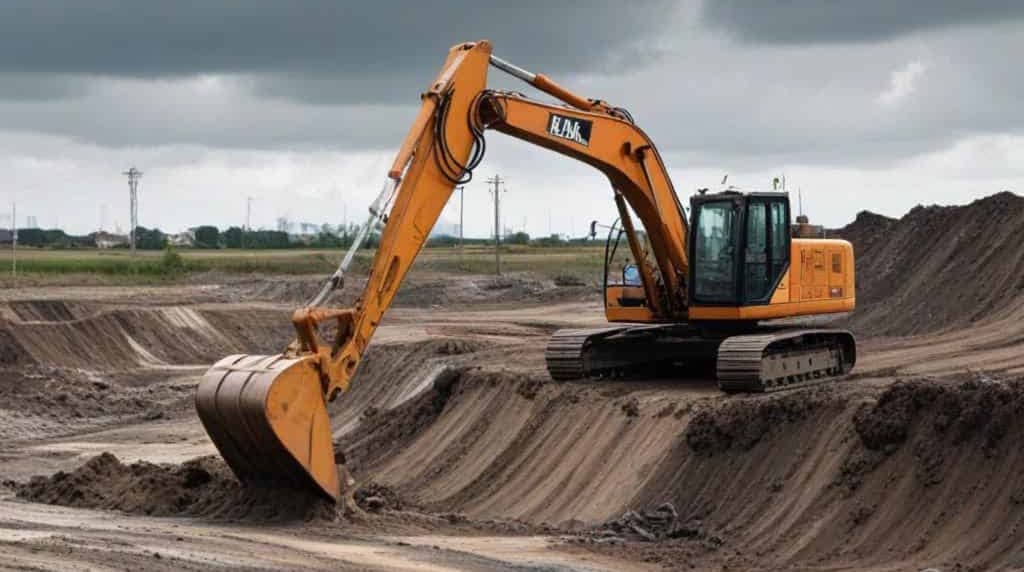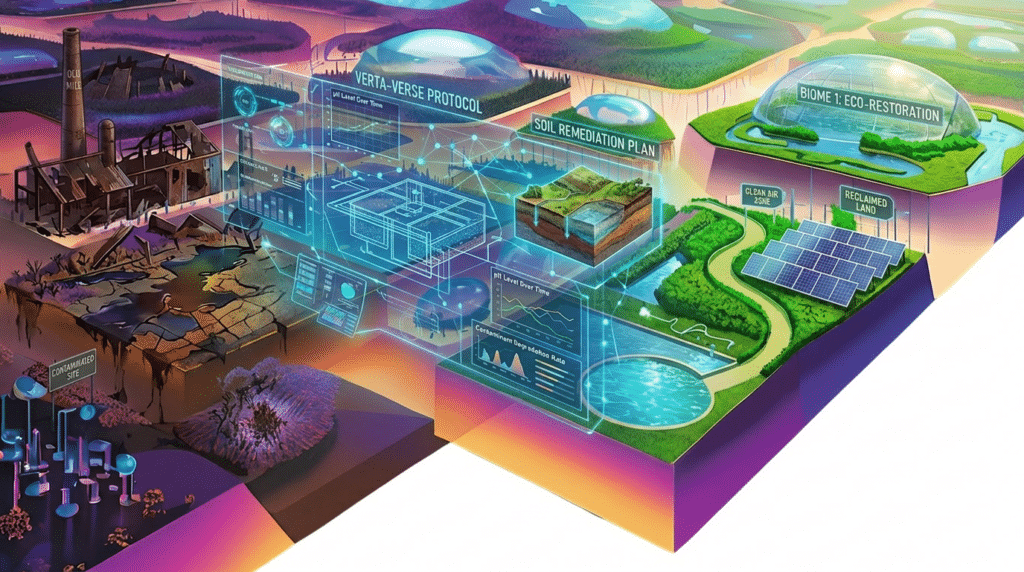
Soil contamination threatens the success and sustainability of development projects across diverse sectors, including house building, manufacturing, and the petrochemical industry. One innovative approach to tackle this challenge is employing a mobile soil washing plant for on-site soil cleanup. As a market leader in delivering complete remediation solutions, VertaseFLI recognises the merits of this advanced technology, which forms a key component of their development-ready platforms. This article will delve into the benefits of using a mobile soil washing plant, exploring the technology’s intricacies and discussing how VertaseFLI expertly incorporates this solution for efficient and sustainable on-site soil cleanup. Gain insights into the unique advantages a mobile soil washing plant brings and how it contributes to a cleaner, more sustainable future for large-scale development projects in the UK.
1: What is a Mobile Soil Washing Plant?
A mobile soil washing plant is a modular and transportable system designed to treat contaminated soils on-site, removing harmful compounds and offering sustainable and cost-effective remediation. This innovative technology leverages a combination of physical, chemical, and biological processes to clean the soil, promoting the reuse of natural resources and minimising waste. With its flexibility and adaptability, a mobile soil washing plant is well-suited for various applications in industries like development, house building, manufacturing, and the petrochemical sector.
2: The Soil Washing Process
Mobile soil washing plants consist of several integrated units that work together to treat the contaminated soil through different stages:
1. Pre-Treatment: During this stage, debris and oversized materials are removed from the soil feedstock. This not only protects the subsequent treatment units from damage but also separates recoverable materials such as gravel, which can be recycled after any necessary cleaning.
2. Soil Screening: This stage involves mechanically grading the soil into different particle-size fractions to improve the soil washing efficiency. The use of a range of screens, including vibrating screens and trommel screens, helps achieve optimal grading.
3. Soil Washing: The washing process typically involves applying water and detergents to the soil while agitating it, dissolving, and suspending contaminants within the aqueous phase. The introduction of surfactants or chelating agents can enhance the process, particularly for heavy metal-contaminated soils. Soil washing can be performed using several methods, including slurrying, scrubbing, ultrasonic cleaning, and attritioning.
4. Separation and Dewatering: The soil and water mixture, or slurry, is then subjected to a series of mechanical separations, typically using hydrocyclones and sedimentation tanks. This effectively segregates the clean soil fractions from the contaminated water phase, which is then further treated and recycled. Dewatering equipment, such as filter presses or centrifuges, are used to remove excess water from the cleaned soil.
5. Treatment and Disposal: The remaining concentrated contaminants, now separated from the soil, are treated using appropriate techniques, such as precipitation, adsorption, or aerobic/anaerobic bioremediation. The subsequent waste generated is safely disposed of according to environmental regulations.
3: The Benefits of Using a Mobile Soil Washing Plant
The advantages of adopting mobile soil washing plants for on-site soil cleanup extend far beyond flexibility in transport and installation:
1. Sustainable Remediation: Soil washing plants promote the recycling of soil resources, reduce waste generation, and minimise the need for off-site disposal of contaminated soil. This contributes to sustainable development, lowering the environmental impact of remediation projects.
2. Cost-Effectiveness: The on-site treatment capability of mobile soil washing plants reduces transportation and disposal-related costs. These savings are particularly valuable for large-scale projects or those located in remote areas.
3. Adaptability: The modular design of soil washing plants enables the customisation of process units to suit unique project requirements and cater to diverse soil types and contamination levels.
4. Compliance: Mobile soil washing plants help ensure regulatory compliance by preventing soil contamination from spreading and effectively treating and managing contaminated soil on-site.
4: VertaseFLI’s Expertise in Soil Washing Plant Deployment
VertaseFLI’s commitment to sustainable remediation extends to their adoption and optimisation of mobile soil washing plants for clients in various sectors. These projects showcase their expertise in on-site soil cleanup:
1. Gasworks Site, Bristol:
VertaseFLI successfully employed a soil washing plant for a gasworks site in Bristol, treating over 40,000 cubic meters of soil containing coal tar and metals. The remediation process allowed the reuse of clean soil on-site, reducing environmental impact, waste generation, and costs associated with soil disposal.
2. Coking Works Site, Derbyshire:
At a former coking works in Derbyshire, VertaseFLI implemented a soil washing plant that treated and successfully remediated over 30,000 cubic meters of contaminated soil. The on-site treatment facilitated the soil’s reuse for construction purposes, leading to substantial cost savings and a reduced environmental footprint.
5: Choosing the Right Soil Washing Plant Provider
When opting for a mobile soil washing plant, it is key to select a partner with a proven track record of successful remediation projects, an understanding of regulatory requirements, and dedication to sustainable development – and VertaseFLI ticks all of these boxes. By selecting VertaseFLI as the mobile soil washing plant provider, you can be confident in their ability to deliver effective and efficient on-site soil cleanup solutions for projects in the development, house building, manufacturing, and petrochemical sectors.
Merging Innovation and Sustainability with VertaseFLI’s Mobile Soil Washing Plant
In conclusion, the mobile soil washing plant stands out as a game-changer in on-site soil cleanup, offering sustainable, cost-effective, and adaptable solutions for removing contaminants from various project sites. VertaseFLI’s expertise in mobile soil washing plant implementation ensures optimal cleanup efficiency, reduced environmental impact and compliance with regulations across the development, house building, manufacturing, and petrochemical sectors. Discover how mobile soil washing plants form an integral part of VertaseFLI’s comprehensive environmental remediation services, tailored to address even the most challenging soil contamination issues.