Japanese Knotweed (Fallopia japonica) is an invasive plant species that poses severe environmental and structural challenges for development, house building, manufacturing, and petrochemical sectors in the UK. Its tenacious, fast-growing, and deep-reaching root system can cause physical damage to infrastructure, impede construction works, and threaten local biodiversity. Moreover, the plant’s resilience to standard eradication methods demands a specialised and effective solution. This article will explore the use of targeted Japanese Knotweed herbicide treatments as part of VertaseFLI’s comprehensive remediation solutions. Learn how VertaseFLI’s expertise in tackling invasive plant species can help combat the adverse impacts of Japanese Knotweed, ensuring successful land development whilst adhering to environmental guidelines and regulations.
1: Understanding Japanese Knotweed and its Impacts
Japanese Knotweed is a notoriously invasive plant species native to East Asia, which was introduced to the UK in the 19th century. It has since become a major concern due to its aggressive growth, resilience, and destructive potential. The key impacts of Japanese Knotweed include:
1. Structural Damage: The plant’s extensive root system can penetrate up to 3 metres deep and 7 metres wide, causing significant damage to building foundations, drainage systems, and road surfaces.
2. Biodiversity Threat: Japanese Knotweed tends to outcompete native plant species by crowding them out and limiting their access to resources like sunlight, water, and nutrients. This, in turn, disrupts local ecosystems and causes a decline in native flora and fauna populations.
3. Legal and Financial Issues: Property owners and developers must adhere to strict Japanese Knotweed regulations in the UK. Failure to control and remove the invasive plant can result in legal action, substantial fines, and reduced property values.
2: Conventional Eradication Methods and their Limitations
Several conventional methods have been used to tackle Japanese Knotweed infestations, but most of them are either labour-intensive, time-consuming, or inadequate for complete eradication. These methods include:
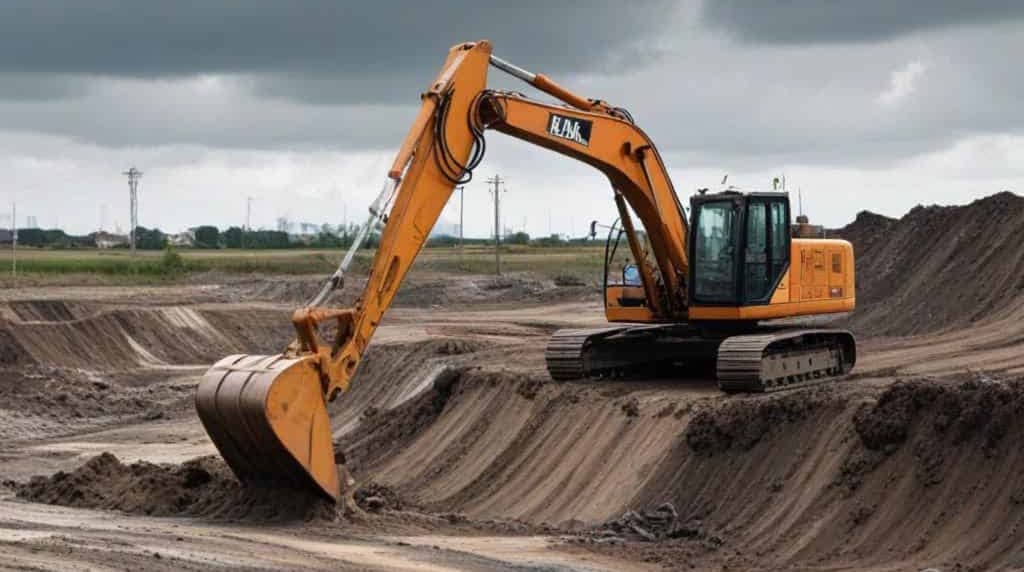
1. Mechanical Excavation: Physically digging out the plant and its root system is a common approach; however, it often requires extensive excavations and subsequent disposal of contaminated soil. Additionally, even small fragments can regrow into new plants, making it challenging to achieve complete eradication.
2. Smothering: This method involves covering the infested area with impermeable materials like heavy-duty geotextile and placing a layer of soil or gravel on top. While this can suppress the growth of Japanese Knotweed, it requires continuous monitoring, and the plant may resurface if the covering is disturbed.
These limitations highlight the need for a more effective and targeted approach, such as Japanese Knotweed herbicide treatment.
3: Japanese Knotweed Herbicide Treatment: The Targeted Solution
Herbicide treatment is a method that leverages chemical compounds to control and eradicate invasive plants, including Japanese Knotweed. The treatment is designed to be absorbed by the plant’s foliage, transported to the root system, and disrupt critical biological processes, ultimately leading to its demise. Key factors to consider for effective herbicide treatment include:
1. Type of Herbicide: Glyphosate-based herbicides are the most widely recommended for Japanese Knotweed control in the UK. Known for their low toxicity to humans and animals and the ability to break down quickly in soil, these herbicides minimise environmental and health risks.
2. Timing: Japanese Knotweed herbicide application is most effective during the plant’s growth and flowering stages (usually between summer and autumn) when the plant is actively transporting nutrients to its root system. One application may not be enough to eradicate the infestation. Repeated treatments may be required in several growing seasons to achieve complete control.
3. Application Method: Herbicides can be applied using various methods like foliar spraying, stem injection, or soil application. The choice of method depends on the size of the infestation and potential harm to surrounding vegetation.
4: VertaseFLI’s Approach to Japanese Knotweed Herbicide Treatment
VertaseFLI employs an integrated and strategic approach to effectively control and eradicate Japanese Knotweed by incorporating herbicide treatment as part of their comprehensive remediation solutions:
1. Site Assessment and Planning: VertaseFLI begins by conducting a thorough site assessment to evaluate the severity of the infestation and develop an appropriate treatment plan. Proper planning ensures that herbicide application is carried out at the optimal time and frequency, enhancing treatment efficacy.
2. Expertise in Herbicide Application: VertaseFLI’s expert team is trained to handle and apply herbicides safely and effectively, thus maximising the success rate and minimising risks to human health and the environment.
3. Monitoring and Maintenance: Following herbicide treatment, VertaseFLI continuously monitors the site to evaluate the treatment’s success and carry out additional treatments if necessary. Adequate monitoring and maintenance help ensure that Japanese Knotweed is eradicated completely and prevent potential re-infestations.
5: Legal and Regulatory Compliance
VertaseFLI takes compliance with legal and regulatory requirements seriously. When dealing with Japanese Knotweed herbicide treatment, they adhere to the guidelines set forth by the Environment Agency and other regulatory bodies. This includes the safe handling and disposal of herbicides and contaminated plant materials, ensuring compliance with the Control of Pesticides Regulations (1986), Environmental Protection Act (1990), and the Wildlife and Countryside Act (1981), among others.
By following best practices and regulatory guidelines, VertaseFLI’s Japanese Knotweed herbicide treatment ensures the successful management of this invasive plant species, paving the way for safer and more sustainable land development.
Partner with VertaseFLI for Effective Japanese Knotweed Eradication
In conclusion, Japanese Knotweed poses a significant threat to land development and biodiversity, requiring a targeted and effective solution like herbicide treatment to control and eradicate the invasive plant. VertaseFLI’s comprehensive remediation services, coupled with their expertise in Japanese Knotweed herbicide treatment, site assessment, compliance, and monitoring, empower you to overcome the challenges posed by this tenacious species. By partnering with VertaseFLI, you can tackle Japanese Knotweed head-on and create a resilient, sustainable, and legally compliant land development strategy.