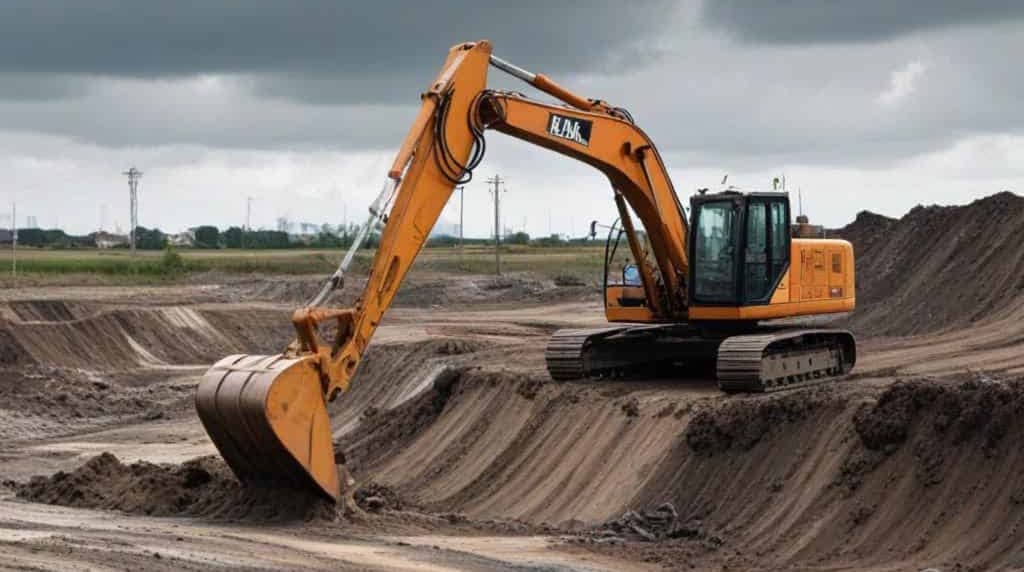
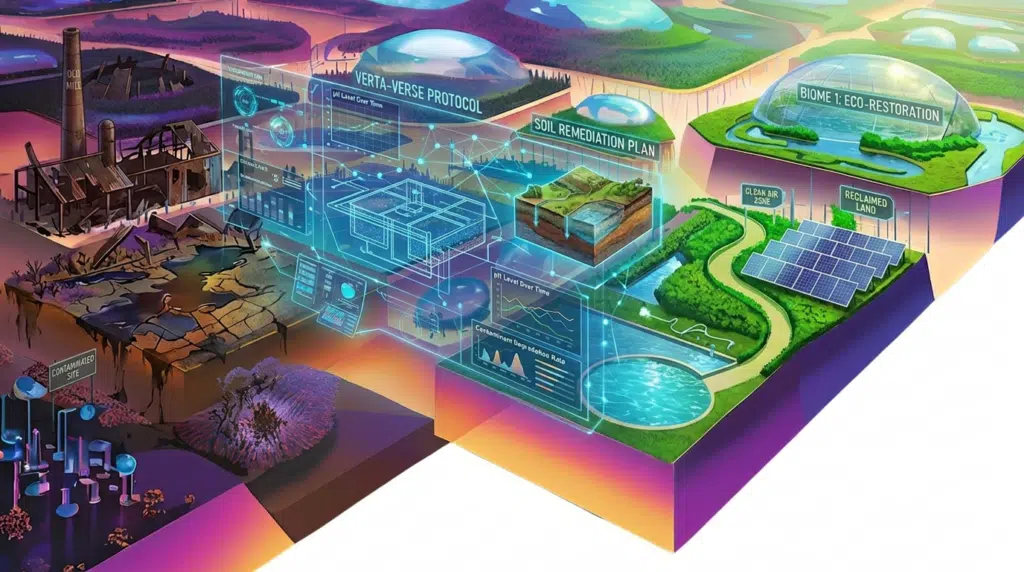
The redevelopment of brownfield sites presents numerous opportunities for economic growth, social development, and environmental improvement. However, these projects can also entail significant challenges, particularly in the realm of materials management. Brownfield sites often contain materials that, depending on their composition and potential contamination, may pose risks to both the environment and human health.
To address these challenges, the careful and sustainable management of materials during brownfield site remediation and construction is crucial. The core principles of materials management—reduce, reuse, and recycle—can be effectively applied in the context of brownfield sites to support responsible, cost-effective, and environmentally-friendly development outcomes.
This blog article will explore the significance of materials management in brownfield site development and provide guidance on implementing sustainable practices that align with industry best practices and regulatory frameworks. We will cover topics such as sourcing and utilising construction materials responsibly, minimising waste generation, handling and disposing of contaminated substances, and engaging with stakeholders to promote a culture of sustainability. By developing a comprehensive understanding of materials management in brownfield site redevelopment, developers, contractors, and environmental specialists can work together to deliver projects that are not only financially viable but also supportive of social and environmental objectives.
Sourcing and Utilising Construction Materials Responsibly
To minimise the environmental impact of brownfield site development, it is essential to adopt responsible and sustainable sourcing and utilisation practices for construction materials:
1. Sustainable Sourcing: Choose suppliers with robust environmental and social standards, such as those holding certifications like FSC (Forest Stewardship Council) for timber products or BES 6001 for responsible sourcing of construction materials.
2. Prioritising Eco-friendly Materials: Select materials that promote energy efficiency, have low embodied carbon, and are derived from renewable or recycled sources, whenever possible.
3. Design for Reuse and Recycling: Incorporate construction designs that facilitate the easy recovery, repurposing, and recycling of materials at the end of a building’s useful life.
Minimising Waste Generation
Effectively managing construction waste is a crucial aspect of sustainable materials management in brownfield site development:
1. Waste Reduction: Implement waste reduction strategies, such as lean construction methodologies, thorough material estimation, off-site prefabrication, and just-in-time material deliveries, to minimise the production of waste on-site.
2. Waste Segregation: Encourage sorting and separation of waste materials into appropriate categories (e.g. metals, plastics, glass, or wood) to facilitate efficient recycling or reuse.
3. Waste Tracking and Reporting: Monitor waste generation, recovery, and disposal accurately, and maintain transparency by sharing reports with stakeholders, including regulators, clients, and the local community.
Handling and Disposing of Contaminated Substances
Brownfield sites often contain contaminated substances that require proper management to protect human health and the environment:
1. Site Investigation and Contamination Assessment: Conduct thorough site investigations and contamination assessments to determine the type, extent, and distribution of contaminants within the soil, groundwater, or building materials.
2. Remediation and Treatment Options: Evaluate and select suitable remediation and treatment options based on the level of contamination, site-specific conditions, and regulatory requirements.
3. Safe Disposal: Ensure the proper treatment and disposal of contaminated substances at licensed facilities, in accordance with waste management guidelines and environmental regulations.
Engaging with Stakeholders to Promote a Culture of Sustainability
The effective implementation of sustainable materials management in brownfield site development demands the active involvement of all stakeholders:
1. Collaborative Planning: Engage in an open dialogue with clients, suppliers, contractors, regulators, and community members to devise and implement a shared vision for sustainable materials management throughout the project lifecycle.
2. Training and Education: Provide appropriate training and educational resources to ensure that all stakeholders understand the importance of sustainable materials management and the specific measures required to achieve project goals.
3. Monitoring and Continuous Improvement: Establish monitoring and feedback mechanisms to track the effectiveness of sustainable materials management strategies and continually refine and enhance these practices for optimal performance.
Conclusion
By embracing the principles of sustainable materials management, stakeholders in brownfield site redevelopment can deliver projects that are not only economically viable but also environmentally responsible and socially beneficial. Through careful planning, collaboration, and the implementation of best practices in sourcing, utilising, and disposing of construction materials, brownfield sites can be transformed into safe, resilient, and sustainable spaces that meet the needs of present and future generations.
At VertaseFLI, our team of experts is well-equipped to help developers, house builders, manufacturers, and other project stakeholders navigate the complexities of materials management in Brownfield site development. By working together, we can ensure that brownfield projects are completed in the most environmentally responsible manner possible, delivering both financial and environmental benefits. Contact us today for our demolition and site clearance services.