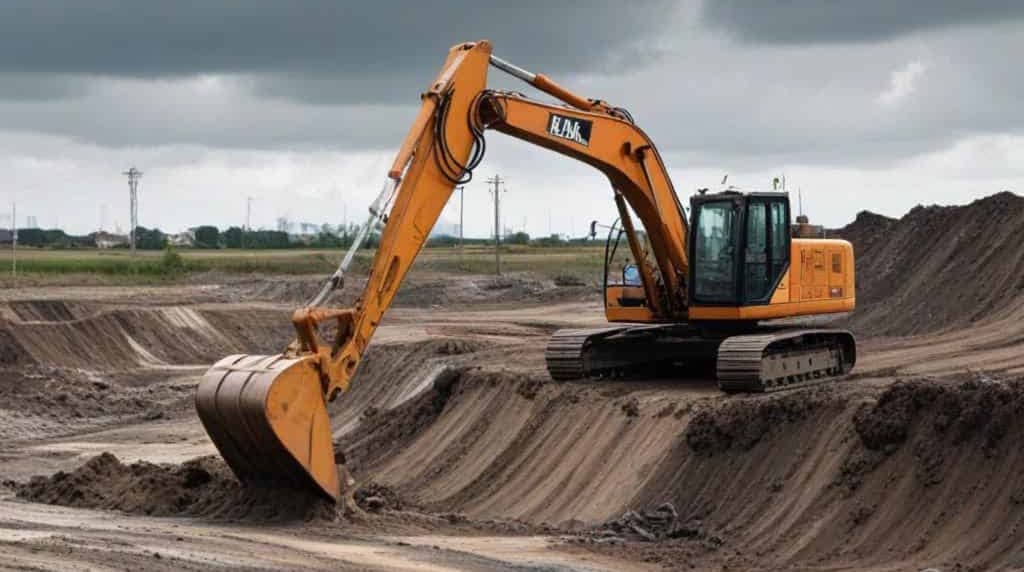
Brownfield redevelopment projects often entail addressing and managing a range of soil-related challenges to ensure the successful construction of new infrastructure or buildings. Soil stabilisation is a crucial aspect of brownfield development, as it entails enhancing the properties and characteristics of the soil to facilitate construction and ensure long-term stability. With the appropriate soil stabilisation techniques, developers can overcome common issues such as contaminated soil, erosion, and poor load-bearing capacity and deliver successful brownfield redevelopment projects.
The implementation of soil stabilisation techniques varies depending on the specific circumstances of each brownfield site. Factors such as soil type, local geology, contamination levels, and the desired end-use of the site all play a role in determining the most suitable stabilisation method. Examples of soil stabilisation methods include mechanical techniques (e.g., compaction and earthworks), chemical techniques (e.g., lime and cement stabilisation), and biological techniques (e.g., vegetation and microbial stabilisation).
In this comprehensive guide, we will explore the various soil stabilisation techniques employed in brownfield redevelopment projects, discussing their benefits, challenges, and best practices for implementation. By understanding the different methods and their respective advantages and drawbacks, developers and contractors can make informed decisions on appropriate soil stabilisation approaches for their projects, considering site characteristics, project objectives, and environmental impact. Furthermore, we will highlight VertaseFLI’s expertise in soil stabilisation, showcasing their capabilities in providing tailored solutions that lead to safe and successful brownfield development outcomes.
Common Soil Problems on Brownfield Sites
Before delving into the various soil stabilisation techniques, it is crucial to understand the typical soil-related challenges encountered on brownfield sites, such as:
- Contamination: Brownfield sites often have a history of industrial or commercial use, which may have led to contamination from hazardous substances, such as heavy metals, petroleum products, and other chemicals.
- Erosion: Unstable or poorly managed soils can be susceptible to erosion caused by water and wind, leading to sedimentation, loss of vegetation, and undermining of structures.
- Poor Load-bearing Capacity: Certain soil types may have poor load-bearing capacities, making them unsuitable for construction without stabilisation measures. Poor soil structure can also result in differential settling of structures, leading to foundation damage and structural failure.
Soil Stabilisation Techniques
There are several soil stabilisation techniques available to developers and contractors, which can be broadly categorised into mechanical, chemical, and biological methods:
- Mechanical Stabilisation: Mechanical techniques involve manipulating the physical properties of the soil through compaction, excavation, or grading. These methods can increase soil density, improve load-bearing capacity, and reduce the impact of erosion. Common mechanical stabilisation techniques include earthworks, geosynthetic placement, and compacting soils with vibratory rollers.
- Chemical Stabilisation: This approach involves adding chemical additives to the soil to alter its properties, such as increasing strength or reducing permeability. Typical chemical stabilisation methods include the addition of cement, lime, or other binding agents to create a more stable soil matrix. This technique is particularly useful for treating contaminated soils by encapsulating hazardous substances and preventing their migration into groundwater or surface water bodies.
- Biological Stabilisation: Biological techniques utilise vegetation, microbes, or other natural processes to enhance soil properties and improve stability. Promoting plant growth or microbial activity can deliver long-term solutions that address soil erosion and improve overall site stability. Examples of biological stabilisation methods include planting vegetative cover, utilising microbially induced calcite precipitation (MICP), or introducing other biological agents that can improve soil structure.
Benefits and Challenges of Different Soil Stabilisation Methods
Each soil stabilisation technique comes with its set of benefits and challenges. Understanding these factors can help developers and contractors select the most appropriate method for their brownfield project:
Mechanical Stabilisation:
- Benefits: Mechanical techniques can provide immediate results and be relatively cost-effective for certain projects. They can also be easily modified to address changing site conditions or project requirements.
- Challenges: These methods may have a limited impact on treating contaminated soils and can be resource-intensive, requiring significant labour, equipment, and transportation of materials.
Chemical Stabilisation:
- Benefits: Chemical techniques can improve soil properties and immobilise contaminants. These methods can also be applied to various soil types and may offer long-lasting stability.
- Challenges: The high cost and potential environmental risks associated with chemical additives may sometimes limit their use. Additionally, careful planning is needed to ensure the chemical treatment does not negatively impact site ecology or harm human health.
Biological Stabilisation:
- Benefits: Biological techniques can offer sustainable and eco-friendly solutions to soil stabilisation, promoting biodiversity and improving the long-term health of the site ecosystem. These methods can also reduce soil erosion and enhance water retention capacity.
- Challenges: The effectiveness of biological stabilisation methods may be dependent on site-specific factors, such as soil type and climate. These methods are generally slower-acting compared to mechanical and chemical techniques.
Best Practices for Selecting Soil Stabilisation Techniques
To choose the most appropriate soil stabilisation method for a brownfield redevelopment project, developers and contractors should consider the following factors:
- Site Characteristics: Soil type, contamination levels, and local geology will impact the effectiveness of various stabilisation techniques. Conducting site investigations and assessments to understand these characteristics is essential.
- Project Objectives: The desired end use of the site will influence the selection of appropriate soil stabilisation techniques. For example, construction projects with heavy infrastructure requirements may necessitate mechanical stabilisation methods, whereas projects focused on environmental restoration may benefit from biological techniques.
- Environmental Impact: Balancing the need for effective stabilisation with the potential environmental effects of stabilisation methods is crucial. Developers and contractors should weigh the potential impacts of different approaches on local ecosystems, human health, and long-term sustainability.
Conclusion
Soil stabilisation techniques play a crucial role in brownfield redevelopment projects, addressing common challenges such as contamination, erosion, and poor load-bearing capacity. By understanding the various methods and their respective benefits and challenges, developers and contractors can decide on the most suitable approach for their project. Collaboration with environmental contracting specialists like VertaseFLI can help ensure that selected soil and groundwater remediation technologies are applied effectively and safely, leading to successful brownfield development outcomes prioritising environmental sustainability and long-term site stability.