Contaminated land remediation has become a critical issue globally, especially in areas with significant industrialisation. Before purchasing a property, it’s essential to investigate whether the land is contaminated. This article will provide seven essential facts before buying contaminated land.
1. What Is Contaminated Land?
Contaminated land is any land with hazardous substances, such as heavy metals, chemicals, and hydrocarbons, polluted. These pollutants can originate from various sources, including industrial waste, landfill sites, and sewage treatment plants. Contaminated land can pose significant health and environmental risks to the public and can also cause property damage.
2. How Do You Know If the Land Is Contaminated?
A Phase I Environmental Site Assessment (ESA) is the initial step in determining whether a property is contaminated. A Phase I ESA involves thoroughly investigating the site’s history, including interviews with current and past owners and occupants, a review of local records, and an on-site inspection.
If the Phase I ESA raises contamination concerns, a Phase II ESA may be recommended. Phase II ESA involves sampling and laboratory analysis of the site’s soil, groundwater, and other materials.
3. Who Is Responsible for Cleaning up Contaminated Land?
In the UK, contaminated land is regulated by the Environmental Protection Act 1990. The Act places the responsibility for contaminated land remediation on the landowner, individual, or company responsible for the contamination.
If a responsible party cannot be identified or cannot pay for the clean-up, the local authority may step in and carry out the remediation, with costs recovered from the landowner.
4. What Are the Costs of Contaminated Land Remediation?
The cost of contaminated land remediation can vary widely based on the extent and severity of the contamination. Remediation costs can range depending on the complexity of the site and the remediation method required.
It’s essential to factor in the potential for remediation costs when considering the purchase of contaminated land.
5. What Are the Potential Liabilities Associated with Contaminated Land?
Purchasing contaminated land can come with significant liabilities. If contamination is discovered on the property, the new owner may be responsible for the remediation cost, even if they were unaware of the contamination at the time of purchase. Additionally, contamination can lead to potential legal liabilities, including fines and compensation claims from affected parties.
6. What Are the Options for Contaminated Land Remediation?
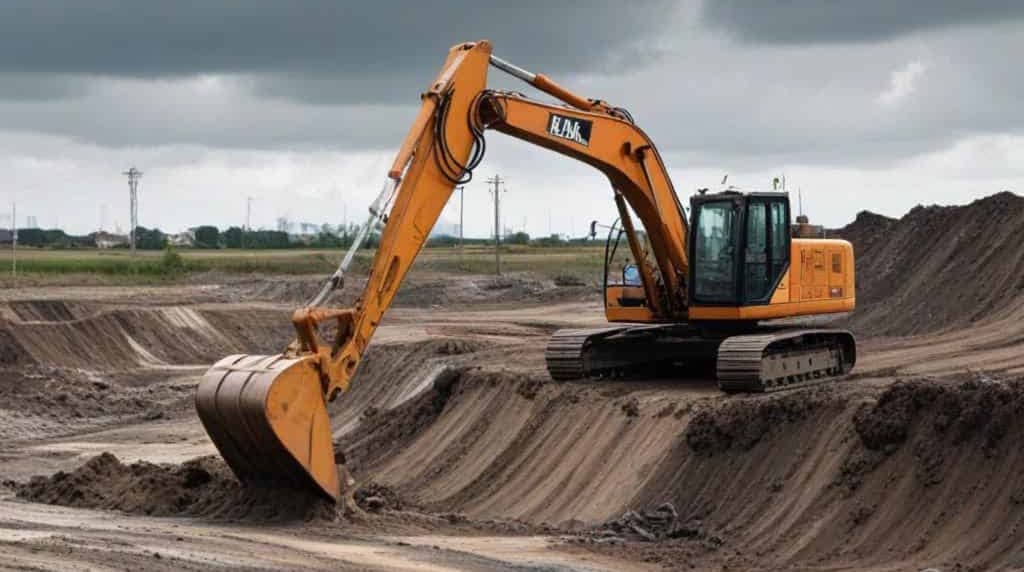
There are several methods for contaminated land remediation, including excavation and removal of contaminated material, in-situ treatment, and containment to name but a few. The choice of remediation methodology will depend on the nature and extent of the contamination, the site’s location, and the desired land use after remediation.
7. What Are the Potential Benefits of Purchasing Contaminated Land?
While purchasing contaminated land may come with significant risks and liabilities, there may also be potential benefits. Contaminated land may be available for purchase at a lower cost than uncontaminated land, providing an opportunity for cost savings.
Contaminated land remediation can improve the site’s environmental quality, potentially enhancing its value and appeal for future development.
Conclusion
Purchasing contaminated land can be a complex and risky process. It’s crucial to conduct thorough due diligence before purchasing any property to avoid potential liabilities and ensure that the land is safe for its intended use.
Consulting with environmental professionals and legal experts can help ensure that you are fully informed of the potential risks and liabilities associated with contaminated land and can make an informed purchasing decision.
Looking to purchase contaminated land? Contact VertaseFLI today for expert advice on contaminated land remediation and how we can help you mitigate risks and liabilities. Don’t let potential land contamination hold you back, let us help you unlock its potential. Contact us now!