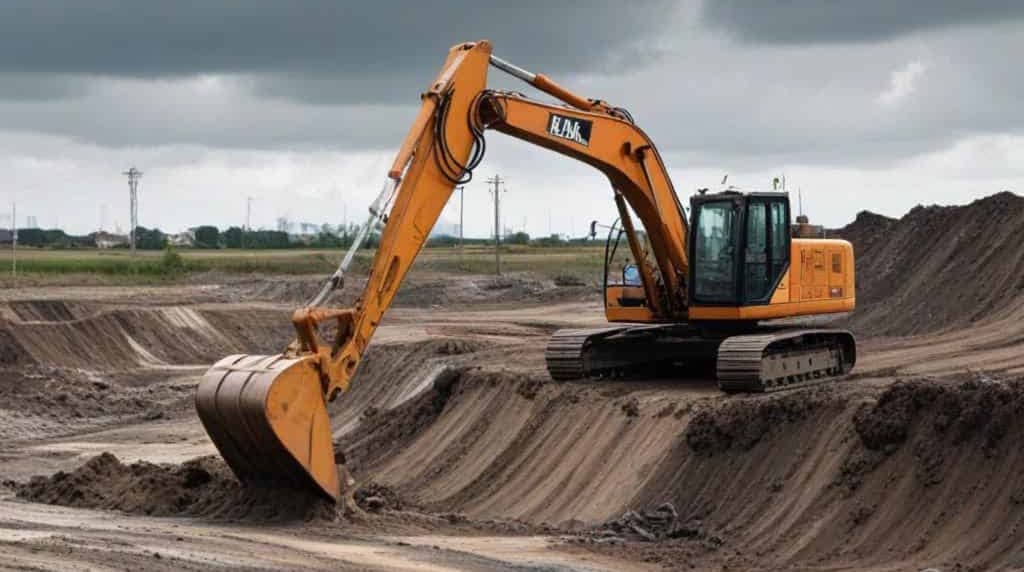
Site clearance is an essential process in construction and development projects. It involves the removal of any obstacles or debris that may be present on a particular site. Effective and efficient processes are crucial to ensure the construction project runs smoothly without any hindrances. Here are three important steps in executing effective demolition and site clearance:
Site Survey and Assessment
This step thoroughly inspects the site to identify potential challenges hindering clearing. The survey should be conducted by experienced professionals with the necessary skills and expertise to identify potential hazards and obstacles.
During the survey, the team should assess the site’s topography, soil type, drainage system, and the presence of any underground utilities. This information will help determine the appropriate equipment and techniques to use during the site clearance process. For instance, if the site is on a steep slope, the team may need specialised equipment, such as excavators with extended arms, to clear the site effectively.
The survey and assessment should also identify any hazardous materials or waste that may be present on the site. This may include asbestos, chemicals, or contaminated soil. The team should comprehensively assess the site’s environmental risks and develop a plan to mitigate potential hazards.
Planning and Preparation
This involves developing a comprehensive plan that outlines the scope of work, timelines, and the resources required to clear the site. The plan should be developed with all stakeholders, including the client, contractors, and regulatory authorities.
The planning process should consider all the factors identified during the site survey and assessment. The plan should outline the equipment and techniques for the site clearance process, including any specialised equipment required for the site’s unique conditions.
The team should also develop a waste management plan to ensure that all waste generated during the site clearance process is managed in an environmentally responsible manner. This may include recycling, re-using, or waste disposal by relevant regulations.
Preparation is also an important aspect of executing effective site clearance. The team should ensure that all equipment is in good working condition and that all necessary permits and licenses have been obtained. The team should also ensure adequate access to the site and all safety measures have been put in place.
Execution
The final step involves the removal of all obstacles and debris from the site by the plan developed during the planning and preparation stage. The team should ensure that the waste management plan manages all waste and that all hazardous materials are discarded safely and responsibly. The team should also ensure that all equipment is used by manufacturer specifications and that all safety measures are adhered to.
During the site clearance process, the team should monitor the site for potential hazards and take appropriate action to mitigate any risks. The team should also ensure that the site is left clean and tidy, ready for the construction or development process to commence.
Remediate Your Land with VertaseFLI
Executing effective site clearance requires a thorough site survey and assessment, comprehensive planning and preparation, and efficient execution of the site clearance process. By following these steps, the team can ensure that the site is cleared safely and efficiently and ready for the construction or development process to commence.
We can optimise the synergies between the demolition and remediation works to achieve an integrated materials management and re-use to achieve an integrated approach to materials management and re-use approach. This will involve appropriately segregating materials, including hazardous substances such as asbestos-containing materials and contaminated liquids, and ensuring the reclamation and re-use of suitable materials. Additionally, the execution of safe demolition works, with consideration for the environment and cost-effectiveness, can also be ensured.
The VertaseFLI team has extensive experience handling projects, including single dwellings, petrol filling stations, chemical plants, water treatment facilities, and large and complex former manufacturing sites. Talk to us about demolition and site clearance by calling 01246-813-289 (Sheffield) or 01275-397-600 (Bristol) or emailing us at info@vertasefli.co.uk.