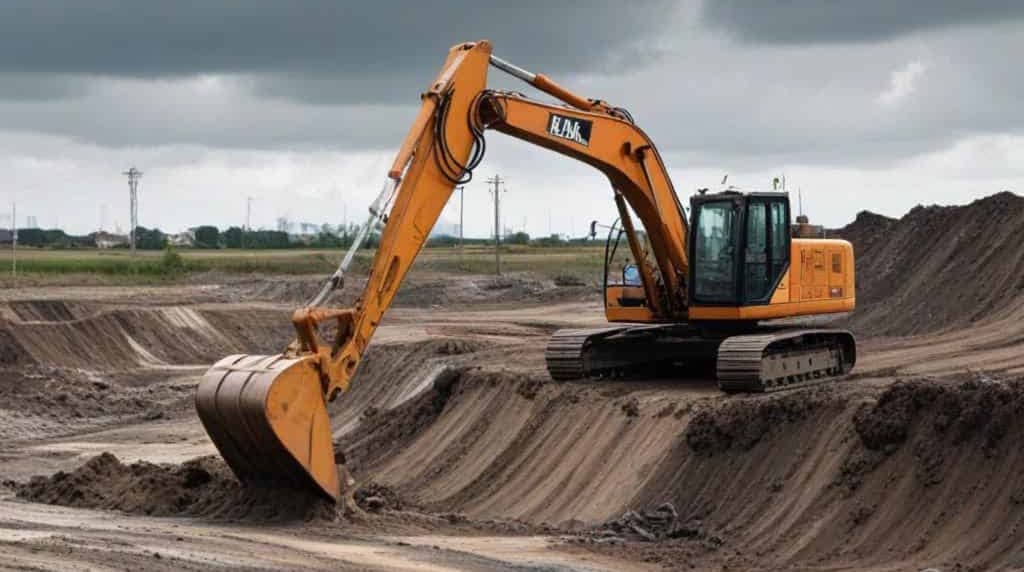
Could the ground you’re planning to build on be a concealed health hazard?
Asbestos once celebrated as a construction marvel, now rests as a toxic substance beneath the surface. Often found in older buildings, its remnants may still be present in the soil, creating hidden risks during construction activities. This piece focuses on the crucial task of identifying and managing asbestos-contaminated soil (ACS)l in construction projects. It outlines the subtle signs of contamination, the approaches for professional testing, and the methods for safe remediation. As we navigate through the legal requirements and strategies for compliance, you’ll learn how to foster a construction environment that prioritises safety, with insights provided by VertaseFLI. We’re here to help lay a foundation for a safer future in the construction industry.
Recognising the Hidden Dangers
Identifying asbestos contamination within soil is a complex task that requires a keen eye and professional expertise. Visual cues such as the presence of construction debris or deteriorating building materials can signal potential asbestos risks, necessitating in-depth analysis. Professional testing is paramount, involving meticulous sampling and laboratory examinations to quantify asbestos fibres in soil samples.
The health risks associated with asbestos exposure are well-documented; inhalation of asbestos fibres can lead to serious conditions such as asbestosis, lung cancer, and mesothelioma. The nuanced understanding of asbestos types – chrysotile, amosite, and crocidolite – and their respective risks is critical. Each type has unique characteristics and levels of hazard, with amphibole forms like amosite and crocidolite being more potent and dangerous than chrysotile.
Planning for Safety: Pre-Construction Strategies
Before breaking ground on a new construction project, it is crucial to conduct comprehensive asbestos surveys and risk assessments. This preemptive measure helps in outlining a plan to manage and mitigate potential asbestos risks. Engaging with environmental experts ensures that decisions are backed by knowledge and experience, with UK-based statistics guiding the evaluation of site-specific conditions.
Drawing from our case studies, the effectiveness of thorough pre-construction planning is evident. Successful asbestos handling involves:
- Detailed site inspections and historical research to assess previous land usage.
- Strategically planned sampling regimes to detect asbestos presence.
- Risk assessment reports that guide the subsequent steps of remediation.
Remediation Techniques: Ensuring a Safe Environment
A multitude of remediation options exists, each tailored to address specific conditions presented by asbestos-contaminated soil. Techniques range from encapsulation, which involves sealing asbestos fibres within the soil to prevent their release, to complete excavation and disposal in designated hazardous waste facilities.
Professional remediation services, such as those offered by VertaseFLI, bring forth “complete remediation solutions” that include:
- Site-specific risk assessments to determine the most appropriate remediation technique.
- Implementation of safety measures to protect workers and the public during remediation.
- Continuous monitoring to ensure the effectiveness of the remediation process.
The concept of “development-ready platforms” is integral to safe construction practices. By ensuring that the remediated land meets all safety and regulatory requirements, these platforms provide a secure foundation for new construction to proceed.
Navigating Legal Framework and Compliance
The UK has established a robust legal framework governing the management of asbestos in soil and construction. Regulations such as the Control of Asbestos Regulations 2012 set forth clear guidelines for handling asbestos, including assessment, removal, and disposal procedures.
Compliance is not merely a legal obligation; it’s a critical component of risk mitigation. By adhering to regulations, construction professionals can safeguard the health of workers and the community. Strategies for maintaining compliance on a construction site include:
- Regular training for workers on the hazards of asbestos and safe handling procedures.
- Documentation of all asbestos-related activities, from discovery to disposal.
- Implementing medical surveillance programmes to monitor the health of staff working with asbestos.
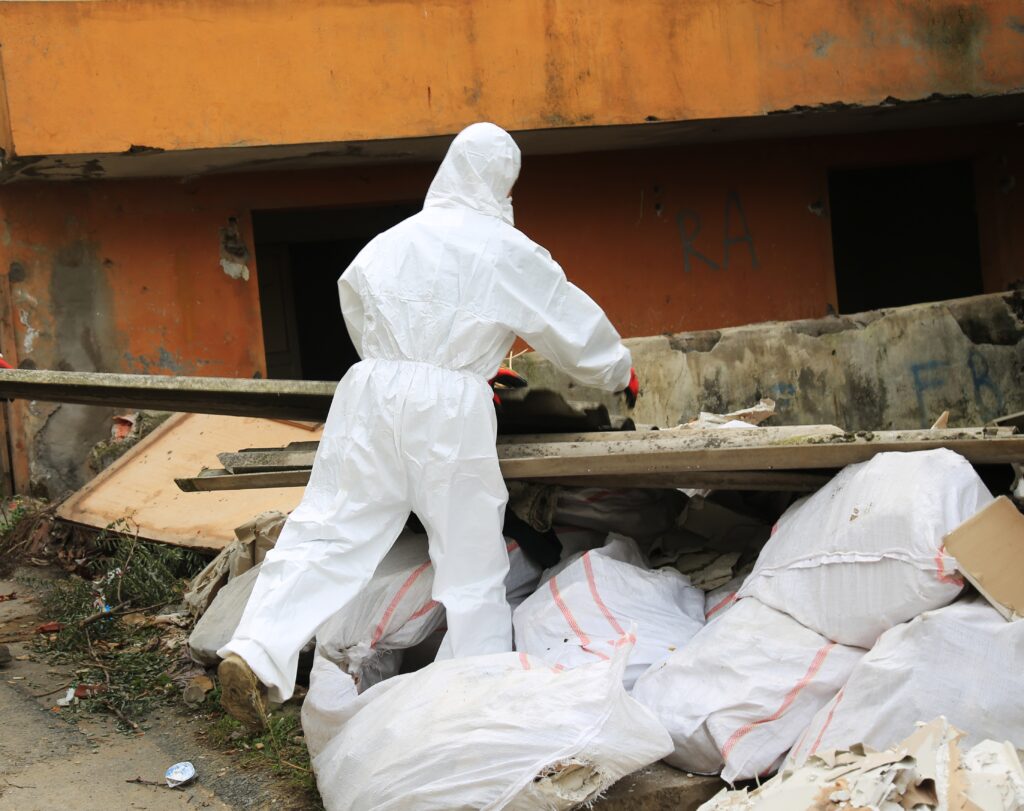
- Ensuring the use of appropriate personal protective equipment (PPE) to minimise exposure risks.
- Consultation with environmental specialists like VertaseFLI to ensure that all remediation activities meet regulatory standards.
Incorporating insights from our own experience, it becomes apparent that a proactive and knowledgeable approach to compliance is indispensable. Asbestos-related challenges are met with expertise, ensuring that every project progresses safely and within the bounds of the law.
VertaseFLI, with its deep understanding of environmental challenges and a commitment to safety and compliance, stands ready to assist with any asbestos-related issues in construction. If you’re planning a construction project and need expert advice or services, contact us for peace of mind and professional support.
Safeguarding the Future: The Critical Role of Asbestos Management in Construction
The invisible perils of asbestos in soil mandate a rigorous approach to management. This responsibility extends beyond adhering to legal standards; it encompasses the protection of construction workers’ health and that of the community at large. The specialised knowledge of environmental companies like VertaseFLI proves indispensable for pinpointing, evaluating, and reducing the risks asbestos poses. Through meticulous site examinations, targeted sampling, and thorough risk assessments, these experts deliver sites ready for development that are both safe and secure.
The discussion brings to light the concealed hazards of asbestos and the necessity for expert intervention. Asbestos concealed in the soil may pose a silent threat, yet with preemptive actions and seasoned guidance, this hazard becomes controllable. VertaseFLI’s dedication to professional, focused services reverberates throughout the construction process, offering a model for safety and adherence to health standards.
Our final thoughts settle on the confidence that armed with the proper expertise, the ground we build upon is not merely stable, but safe. The objective is not just to construct buildings, but to construct with an awareness of historical issues and a dedication to a healthy future.