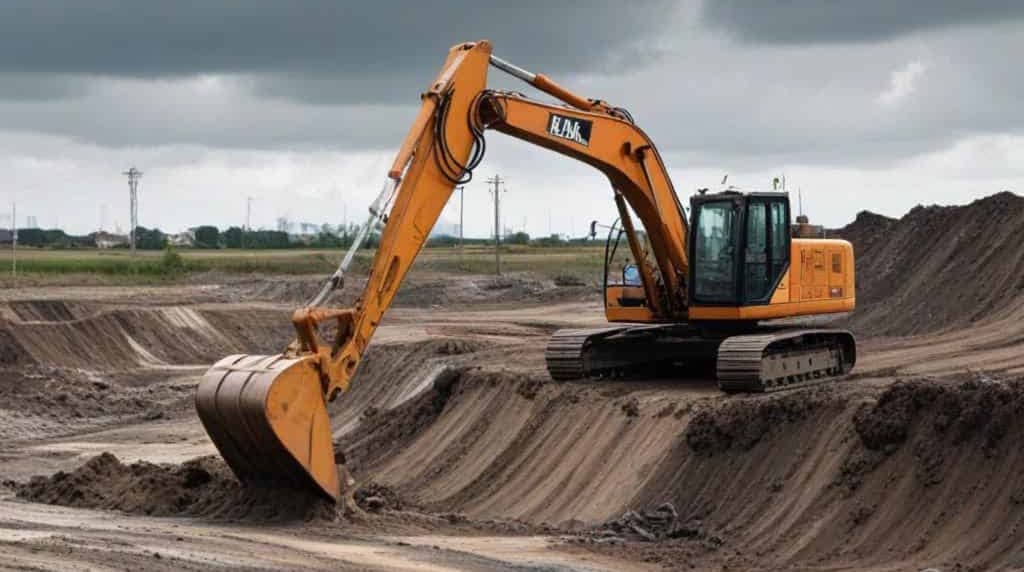
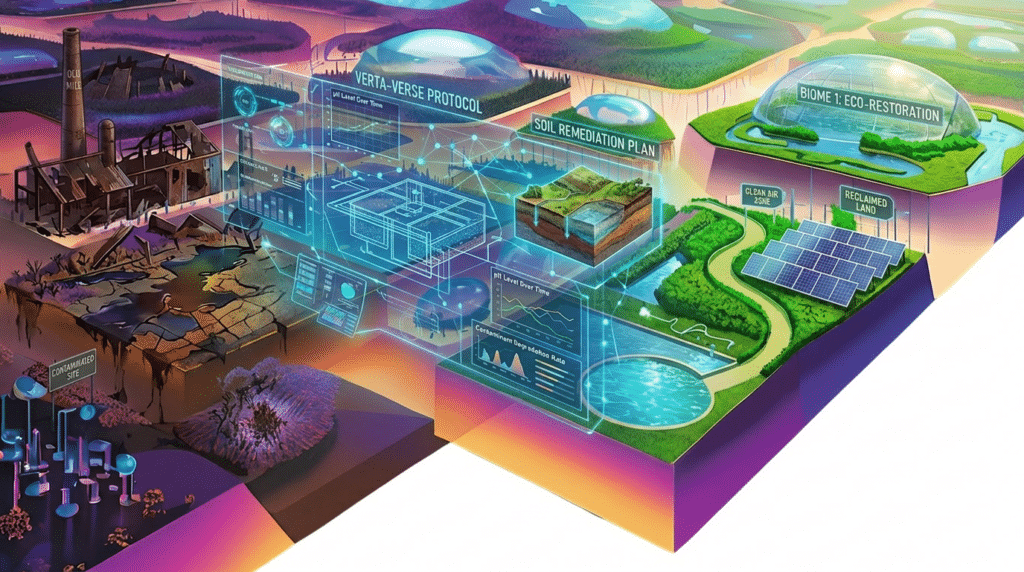
Contaminated land presents significant challenges to urban planning and environmental management, calling for innovative, effective, and sustainable techniques to address both current and evolving issues. The need for remediation, redevelopment, and environmental conservation has never been more pressing, with increasing demands on land use across various sectors in the United Kingdom, including development, house building, manufacturing, and petrochemicals. As a leading environmental contracting specialist, VertaseFLI is at the forefront of deploying cutting-edge techniques to tackle contaminated land challenges with precision and efficiency.
This article will explore the innovative technologies and approaches employed by VertaseFLI to mitigate contamination risks, revitalise brownfield sites, and lay the groundwork for a sustainable and prosperous future. From optimising site assessment processes to implementing tailored remediation strategies, VertaseFLI’s commitment to innovation fosters progress in contaminated land contracting and environmental protection.
Advanced Site Assessment Techniques
Identifying and evaluating the extent of contamination is a crucial step in contaminated land contracting. VertaseFLI leverages cutting-edge tools and methods to optimise site assessments, allowing for informed decision-making, planning, and remediation. These advanced techniques include:
1. Remote Sensing Technologies: Using aerial or satellite imagery, GPS systems, and ground-penetrating radar to detect buried waste, underground structures, and potential contaminant sources.
2. Geophysical Surveys: The application of non-invasive methods such as electromagnetic surveys, resistivity profiling, and seismic tests to identify subsurface features affecting site contamination and proposed remediation solutions.
3. In-Situ Testing: The real-time collection and analysis of soil and groundwater samples through direct push or continuous coring methods, eliminating the need for extensive laboratory testing.
Innovations in Remediation Techniques
Addressing contamination effectively and efficiently requires the use of innovative remediation techniques tailored to specific site conditions and contaminants. VertaseFLI employs a range of novel methods, including:
1. Thermal Treatment: Applying electrical resistance heating, steam injection, or thermal conduction heating to desorb, vaporise or thermally destroy contaminants in soil and groundwater.
2. Phytoremediation: Deploying plants, trees, or microorganisms to capture, degrade or stabilise contaminants, providing a cost-effective and ecologically friendly alternative to traditional remediation methods.
3. Soil Stabilisation: Using chemical reagents to solidify and immobilise contaminants in the soil, enabling safe reuse or disposal.
4. Bioremediation: The introduction of microorganisms or specialised enzymes to break down and eliminate organic contaminants in soil and groundwater naturally and sustainably.
Integration of Sustainable Technologies and Practices
Sustainability is at the core of VertaseFLI’s strategy, with the integration of sustainable technologies and practices into remediation processes becoming increasingly important in contaminated land contracting. Some approaches include:
1. Resource Recovery: The extraction of valuable materials such as metals or reusable soil from contaminated sites to minimise waste and support a circular economy.
2. Renewable Energy Integration: The incorporation of renewable energy sources, such as solar or wind power, to operate remediation equipment, reducing the carbon footprint and operational costs.
3. Green Remediation Strategies: The implementation of remediation techniques that reduce energy consumption, greenhouse gas emissions, and resource use, aligning projects with environmental objectives set by governing bodies such as the UK Environment Agency.
Digital Solutions for Remediation Management and Monitoring
The rise of digital innovation in the environmental sector enables greater efficiency, precision, and efficacy in contaminated land contracting. VertaseFLI utilises these digital solutions during and after their remediation projects:
1. Geospatial Information Systems (GIS): The use of GIS platforms for managing geospatial data, visualising site conditions, and tracking remediation progress and effectiveness over time.
2. Remote Monitoring and Data Analysis: The collection of real-time data from in-situ sensors and the use of advanced analytical techniques, such as machine learning and artificial intelligence, to monitor site conditions and identify trends.
3. 3D Modelling and Visualisation: The creation of informative and interactive 3D models of site conditions, assisting in the design, planning, and implementation of remediation solutions.
4. Mobile Applications: The deployment of dedicated mobile applications that facilitate communication, project management, and data sharing between stakeholders in remediation projects.
Collaboration and Stakeholder Engagement
VertaseFLI recognises that effective contaminated land contracting relies on active collaboration and engagement with various stakeholders. The company promotes transparency, communication, and shared learning through:
1. Public Consultations and Community Outreach: Engaging with local communities, regulators, and other stakeholders to maintain open dialogue, build trust, and foster understanding about remediation projects.
2. Knowledge Sharing and Collaboration: Partnering with academic institutions, research organisations, and peers in the industry to contribute to the development and dissemination of innovative contaminated land solutions.
3. Training and Capacity Building: Providing training and support to personnel and local communities to ensure adherence to industry best practices and foster long-term success in contaminated land management.
Embracing Innovative Solutions for a Cleaner, Safer Future
VertaseFLI’s dedication to deploying innovative techniques in contaminated land contracting positions them as pioneers in addressing complex environmental challenges. Priding itself on adapting and evolving with emerging technologies and sustainability measures, VertaseFLI creates a positive and lasting impact on the development, house building, manufacturing, and petrochemical sectors. By focusing on advanced assessment methods, novel remediation techniques, sustainable practices, digital solutions, and stakeholder collaboration, VertaseFLI sets the benchmark for excellence in contaminated land management across the United Kingdom.
If you require support in addressing contaminated land concerns or actively pursuing environmental solutions for your commercial or residential project, contact VertaseFLI’s team of experienced professionals today and unlock the transformative potential of innovative contaminated land contracting for a greener, more sustainable future.