In an era where sustainability is no longer an option but a necessity, the integration of environmental contracting into modern development projects has surfaced as an indispensable tool. Navigating the complexities of contemporary construction and development ventures necessitates a nuanced understanding of environmental implications and the benefits of adopting eco-friendly practices. This exploration endeavours to dissect the multifaceted advantages of incorporating environmental contracting into these projects.
Contaminated Land Remediation: Restoring Ecology and Adding Value
Contaminated land is a major concern in development, house building, manufacturing, and petrochem sectors. Often, land has been previously used for industrial or commercial purposes, meaning harmful substances or waste materials may have been left behind. These contaminants pose a risk to human health and the environment, making it essential to address them before starting any project.
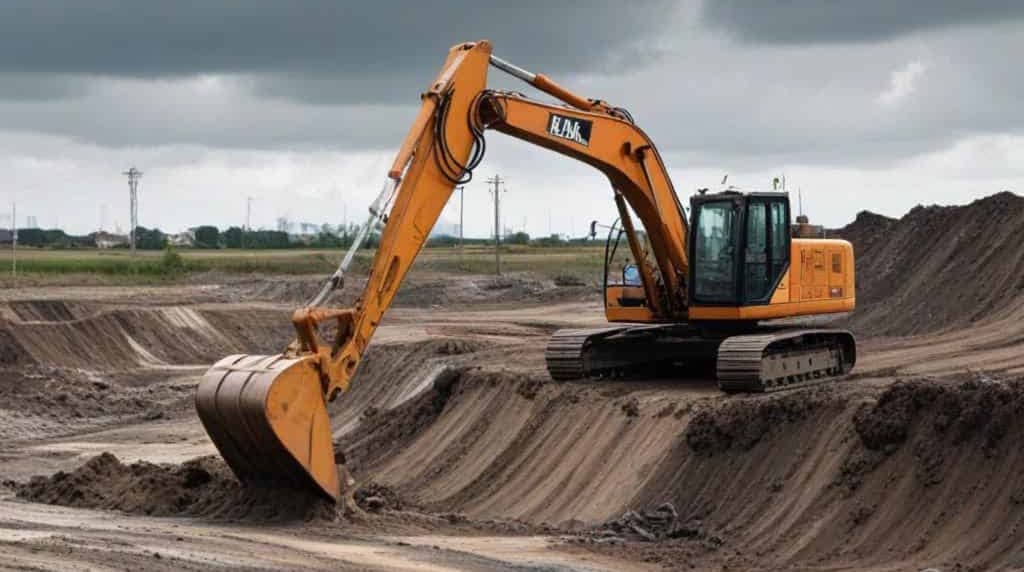
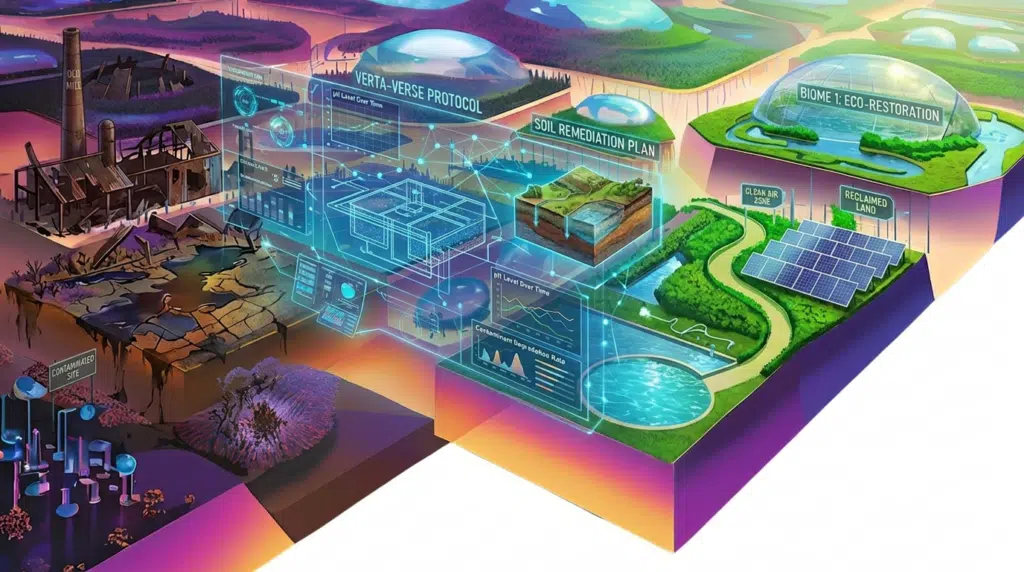
Environmental contracting specialists provide contaminated land remediation services, which involve assessing the nature and extent of contamination, devising remediation strategies, and undertaking necessary treatment to render the land safe for use.
The process can include techniques such as bioremediation, chemical oxidation, soil washing, and more—ensuring that the land is restored to a healthy ecological state, enabling the successful completion of projects and meeting regulatory compliance.
By investing in contaminated land remediation, businesses can increase the value of their land assets, reduce liabilities, and benefit from improved public perception. Furthermore, this process contributes to the broader goal of sustainable land management and resource conservation.
Environmental Risk Assessments: Managing the Unforeseen
Assessing and managing environmental risks is vital for businesses operating in sectors prone to causing ecological damage. Environmental risk assessments involve identifying potential hazards that may arise during a project, evaluating the likelihood and extent of their impact, and developing preventive and contingency measures to minimise risks.
Environmental contracting specialists can conduct comprehensive risk assessments, examining factors such as the potential for soil and water contamination, air emissions, noise pollution, and waste generation.
They can also evaluate the site’s vulnerability to climate change, such as increased flooding due to extreme weather events. By identifying these factors, businesses can make informed decisions about site selection, design, and construction, ensuring that their projects are resilient, adaptive, and compliant with regulations.
Incorporating environmental risk assessments into project planning is essential, as they enable businesses to address potential issues and allocate resources accordingly and proactively. This risk-driven approach can result in substantial cost savings in the long run, as well as reduce the potential for project delays or legal complications.
Sustainable Construction Practices: Green Solutions for a Better Future
Through collaboration with environmental contracting specialists, businesses can implement sustainable construction practices that reduce negative impacts on the environment, conserve resources, and provide economic and social benefits. These practices include using energy-efficient technologies and materials, reducing waste, and ensuring proper management of natural resources (such as soil, water, and biodiversity).
Examples of sustainable construction practices include:
1. Integrating green roofs and walls into building designs
2. Using renewable energy sources, such as solar or wind power
3. Employing sustainable construction materials, such as reclaimed wood, recycled metals, and low-impact concrete
4. Implementing rainwater harvesting and greywater recycling systems
These practices not only contribute towards a cleaner environment, but they also decrease operational costs for businesses and help meet growing consumer demand for eco-conscious practices.
The Role of Environmental Contracting in Brownfield Site Redevelopment
Brownfield sites are previously developed lands that may be contaminated due to prior industrial activities. They often present complex environmental challenges, requiring in-depth evaluation and remediation before they can be reused for new development projects. Environmental contracting specialists can play a critical role in the redevelopment of brownfield sites, helping businesses navigate the complex process of site evaluation, clean-up, and redevelopment.
Brownfield site redevelopment offers numerous benefits, such as reducing urban sprawl, preserving green spaces, and boosting local economies by stimulating job growth and revitalising underutilised areas.
Environmental contracting specialists can utilise their expertise to ensure that brownfield site redevelopment projects adhere to stringent environmental standards and are completed to high-quality standards, resulting in win-win solutions for businesses, communities, and the environment.
Embracing Environmental Contracting for a Sustainable Future
In today’s rapidly changing global landscape, where environmental concerns and sustainability are key priorities, it’s more critical than ever for businesses to embrace responsible practices throughout their operations. Environmental contracting specialists, like VertaseFLI, can provide the essential services required to ensure that development, house building, manufacturing, and petrochem projects are conducted in an environmentally responsible manner, minimising ecological impacts and adhering to regulations.