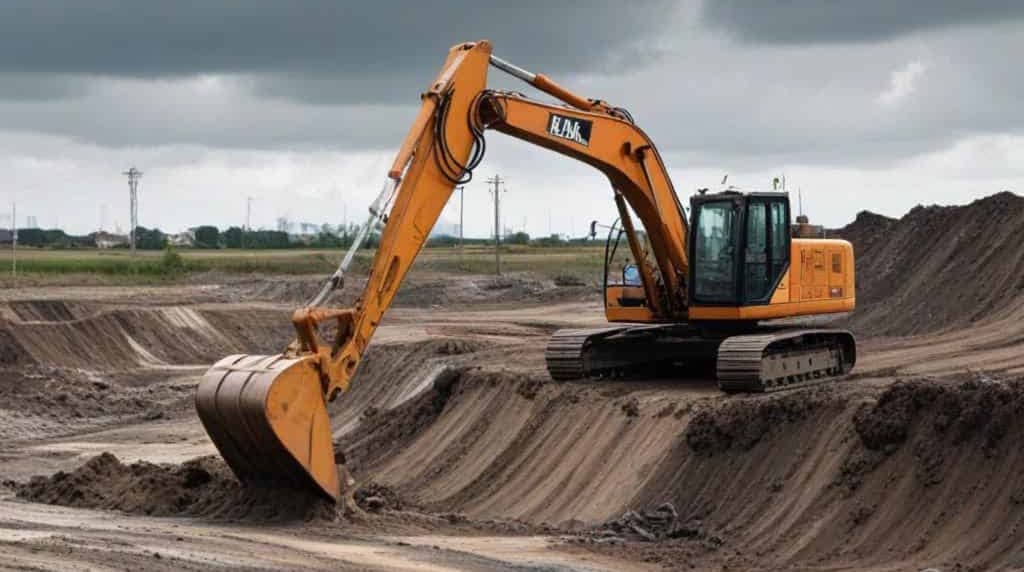
Contaminated land remediation is an essential process that involves cleaning up land polluted by hazardous substances such as chemicals, heavy metals, and other pollutants. The process is critical in ensuring the safety of the environment, human health, and economic development. There are several methods of contaminated land remediation, each with advantages and disadvantages.
Chemical Oxidation
This method uses chemical agents to break down and destroy soil pollutants, including hydrogen peroxide, sodium permanganate, and ozone. Aside from that, chemical oxidation is effective in treating a wide range of contaminants, including petroleum hydrocarbons, chlorinated solvents, and polychlorinated biphenyls (PCBs). The process is relatively quick and can be completed in a few weeks.
Barriers/Caps
Installing impermeable barriers or caps over the contaminated area prevents the further spread of the pollutants. The barriers or caps can be made of plastic, clay, or concrete. This method is suitable for treating contaminated land that cannot be excavated or treated using other methods. However, the effectiveness of this method depends on the stability and durability of the barriers or caps.
Bioremediation
This approach is a natural method of contaminated land remediation involving microorganisms to break down and degrade pollutants. The microorganisms used in this process include bacteria, fungi, and other microbes. Bioremediation effectively treats various contaminants, including petroleum hydrocarbons, chlorinated solvents, and heavy metals. The process is relatively inexpensive and environmentally friendly. However, it may take several months or years to complete, depending on the severity of the contamination.
Phytoremediation
This process incorporates plants to absorb, metabolise, and detoxify pollutants like sunflowers, willows, and poplars. Phytoremediation effectively treats various contaminants, including petroleum hydrocarbons, chlorinated solvents, and heavy metals. The process is relatively inexpensive and environmentally friendly.
Stabilisation
One method of remediating contaminated land is stabilisation, which utilises chemical agents to reduce the mobility and toxicity of pollutants. Lime, cement, and fly ash are the chemical agents employed in this process. Stabilisation is particularly effective in treating soil contaminated with heavy metals or radioactive substances, and it can be completed in a relatively short time, typically a few weeks.
Chemical Reduction
Another popular approach to remediating contaminated land is chemical reduction, which involves adding chemicals that react with the contaminants to reduce their toxicity or convert them into less harmful forms. For example, iron-based chemicals can be added to soil contaminated with chlorinated solvents to break the contaminants into harmless compounds. This approach is particularly effective in treating contaminated groundwater, where the chemicals can be injected directly into the affected area.
Soil Vapour Extraction
If you prefer a non-invasive approach to remediation, soil vapour extraction may be a good option. This technique uses vacuum pressure to extract contaminated vapours from the soil, which are then treated and released into the atmosphere. The process can be repeated until the concentration of contaminants is below the allowable limit.
Final Thoughts
Remediating contaminated land is crucial for safeguarding the environment, promoting human health, and facilitating economic progress. Various approaches can be used for this purpose, each with benefits and drawbacks. Therefore, consult a professional to determine the best method for your contaminated land remediation needs.
If you’re looking for a reliable partner to handle contaminated land contracting, look no further than VertaseFLI. Our team of specialists has years of experience in the field and a proven track record of success. We offer various services tailored to your needs, including site investigation, risk assessment, and remediation. Contact us today to learn how we can help you manage your contaminated land safely and efficiently.