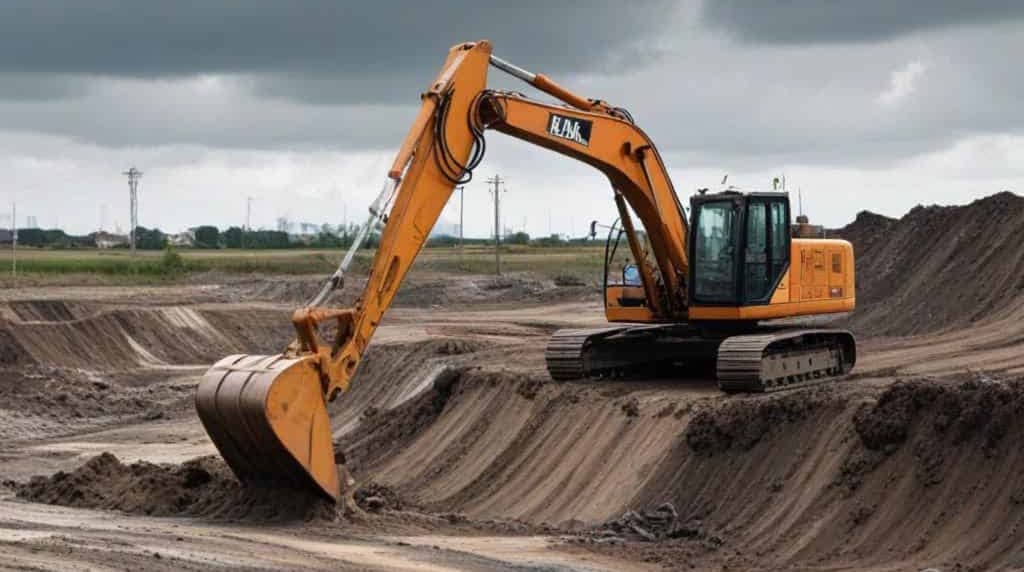
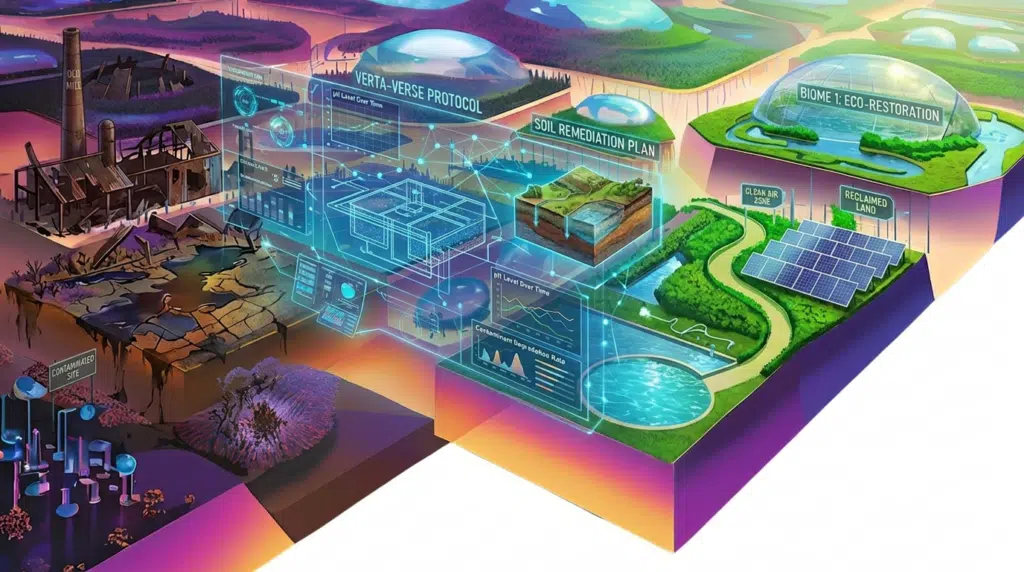
With increasing pressure on land resources and a growing demand for housing and infrastructure, the regeneration of brownfield sites has become a crucial aspect of sustainable urban development. Vertase FLI, a leading environmental contracting specialist, uses innovative solutions to transform contaminated and underutilised land into development-ready platforms, creating new opportunities for communities and local economies. This article will discuss the future of brownfield site regeneration, exploring emerging trends, innovative solutions, and the critical role that environmental contracting specialists like Vertase FLI play in facilitating sustainable development.
Emerging Trends in Brownfield Site Regeneration
Several key trends have shaped the future of brownfield site regeneration, highlighting new opportunities and innovative approaches within the industry:
1. Integrated Land-Use Planning: There is a growing emphasis on comprehensive and integrated land-use planning that incorporates brownfield site regeneration within broader urban development strategies. This approach ensures the sustainable use of land resources while addressing housing shortages, infrastructure needs, and environmental considerations.
2. Green Infrastructure: Brownfield regeneration projects are increasingly incorporating green infrastructure elements, such as parks, green roofs, and nature-based solutions, to enhance urban biodiversity, improve air quality, and support climate change adaptation efforts.
3. Collaborative Partnerships: Collaboration between various stakeholders, including public and private sectors, local communities, and environmental contractors, has become essential in driving the successful regeneration of brownfield sites, ensuring diverse perspectives, resources, and skills are brought together to deliver sustainable and inclusive outcomes.
4. Smart Technology: The adoption of smart technology, such as drones, remote sensing, and GIS systems, is gaining traction for data collection, analysis, and visualisation, improving decision-making and optimising the remediation process during brownfield site regeneration.
Innovative Solutions for Brownfield Site Regeneration
As the industry progresses, innovative solutions have emerged to address the various technical, environmental, and social challenges associated with brownfield site remediation:
1. Risk-Based Assessment and Management: Implementing risk-based assessment techniques allows for a more targeted and efficient approach to site investigation, prioritising interventions based on potential risks to human health and the environment.
2. In-Situ Remediation Technologies: The development and application of in-situ remediation techniques, such as bioremediation and chemical oxidation, can be highly effective in treating contamination, minimising disruption to surrounding communities, and reducing the need for costly, traditional “dig and dump” methods.
3. Circular Economy Principles: Embracing circular economy principles in brownfield site regeneration projects, including material reuse, recycling, and waste minimisation, contributes to resource efficiency and more sustainable outcomes.
4. Stakeholder Engagement and Community Involvement: Engaging local communities and stakeholders throughout the regeneration process fosters trust, understanding, and local buy-in, increasing the likelihood of a successful and well-received project outcome.
Vertase FLI’s Role in Brownfield Site Regeneration
Vertase FLI’s expertise and experience in contaminated land remediation and brownfield site regeneration enable the successful transformation of underutilised spaces into valuable assets for sustainable development. Our commitment to innovation, collaboration, and sustainability ensures that projects are delivered with the environment, local communities, and the future in mind. Vertase FLI provides a comprehensive range of services, including:
1. Site Investigation and Risk Assessment: Vertase FLI conducts thorough site investigations and risk assessments, enabling early identification and management of contamination issues and ensuring regulatory compliance.
2. Remediation Strategy and Design: Our team of experts develops tailored remediation strategies and designs, utilising cutting-edge solutions to address site-specific challenges and meet the needs of various stakeholders.
3. Remediation Implementation and Project Management: Vertase FLI’s project management teams oversee all aspects of the remediation process, including cost and schedule control, stakeholder engagement, and environmental management.
4. Post-remediation Monitoring and Support: Our ongoing commitment to delivering successful outcomes extends beyond project completion, offering post-remediation monitoring and support to confirm that environmental objectives have been met and to ensure long-term sustainability.
Conclusion
As urbanisation and land scarcity create unprecedented challenges, the future of brownfield site regeneration lies in embracing emerging trends and innovative solutions that foster sustainable and inclusive development. Vertase FLI, with its expertise in environmental contracting and contaminated land remediation, is at the forefront of unlocking the potential of brownfield sites, transforming them into vibrant, green, and prosperous spaces for future generations. If you are looking to explore the possibilities of brownfield remediation solutions for your next project, contact our team of experts today and discover how we can help you achieve your sustainability and development goals.