As we delve deeper into the complexities of environmental science, the need for a comprehensive understanding of various pollutants, their risks and appropriate remediation strategies becomes paramount. One such pollutant, widely used in the past and still lingering in many of our environments today, is asbestos. This guide offers an in-depth insight into asbestos in soils—its identification, thorough assessment, and effective remediation strategies.
Identifying Asbestos in Soils
Unearthing asbestos during excavation or construction activities can have serious health and environmental implications. Identifying asbestos in soils is an essential first step in devising appropriate remediation plans. Key indicators and approaches include:
- Historical records: Reviewing site records for the presence of former structures that may have contained asbestos materials can provide valuable insights into potential contamination hotspots.
- Visual inspection: Trained professionals can screen soil for visible signs of asbestos, such as fibrous particles, fragmented cement sheets, or insulation materials.
- Laboratory analysis: Samples can be sent to accredited laboratories for bulk soil analysis to confirm the presence of asbestos and determine contamination concentrations.
VertaseFLI combines historical research, visual inspection, and laboratory analyses to identify and quantify asbestos in soils, ensuring that the scope of contamination is accurately defined.
Assessing the Risks of Asbestos in Soils
Once the presence of asbestos in soils has been confirmed, a thorough risk assessment becomes critical. This step helps determine the potential health hazards and environmental risks, informing the development of appropriate remediation strategies. Aspects of risk assessment for asbestos in soils include:
- Soil type and characteristics: Soil properties such as texture, acidity, and moisture content can affect the mobility and bioavailability of asbestos particles, influencing overall risk potential.
- Contamination extent: The concentration and distribution of asbestos in soils provide valuable information for designing remediation efforts, with each site requiring a bespoke approach.
- Exposure pathways: Evaluating potential human contact with contaminated soil – through inhalation, ingestion or dermal contact—plays a crucial role in assessing health risks.
VertaseFLI’s experienced team conducts comprehensive risk assessments to ensure that the specific challenges, site conditions, and exposure risks are taken into account when developing remediation plans.
Regulatory Framework for Asbestos in Soils
Asbestos management in soils is governed by various environmental and health-related regulations, ensuring that risks are minimised to safeguard public health and the environment. Key regulatory aspects include:
- Contaminated Land (England) Regulations 2006: Asbestos-containing materials may be designated as contaminated land if posing a significant risk to public health or the environment.
- Health and Safety Executive (HSE) guidance: HSE provides detailed guidance on managing and working with asbestos materials, including requirements for worker safety, training, and personal protective equipment.
- Construction Design and Management (CDM) Regulations 2015: Identify, assess, and manage risks associated with asbestos in construction projects to protect employees, contractors, and site users.
VertaseFLI is committed to ensuring full compliance with all asbestos-related regulations, providing clients with peace of mind that projects are managed responsibly and securely.
Remediation Strategies for Asbestos in Soils
Following risk assessment and regulatory compliance identification, the final stage in managing asbestos in soils is developing and implementing a tailored remediation strategy. Several key approaches include:
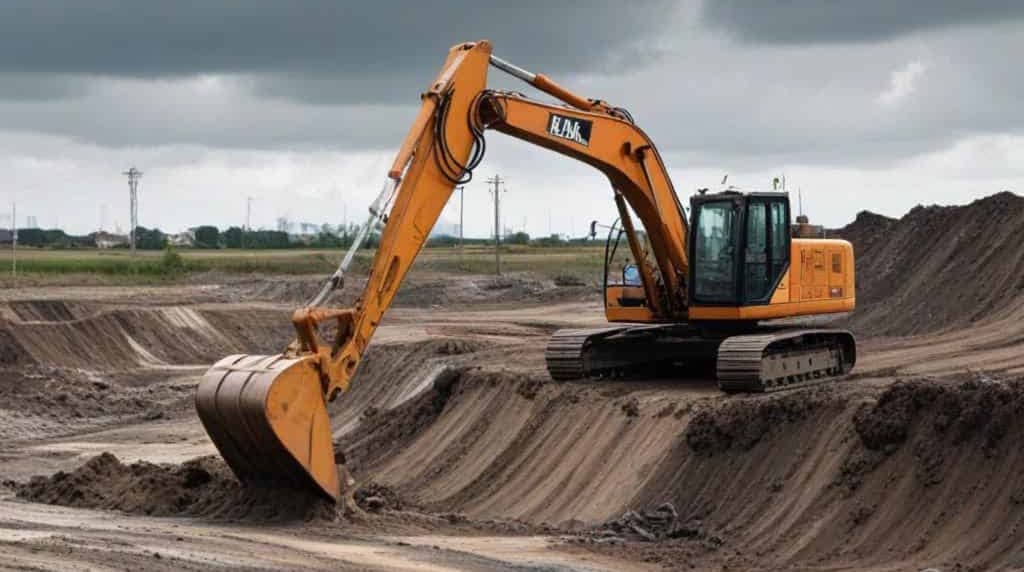
- Excavation and removal: Removing contaminated soil and disposing of it at an authorised waste facility limits exposure and potential health risks, particularly for sites with high concentrations of asbestos.
- Capping and containment: Placing a barrier or cover material (e.g. clean soil, gravel, or impermeable liner) over contaminated soil can limit human exposure and prevent the spread of asbestos particles.
- Monitoring and management: Long-term monitoring and maintenance of impacted sites can play an essential role in controlling risks, as well as ensuring compliance with environmental regulations.
VertaseFLI designs and executes bespoke remediation strategies, taking into consideration site conditions, regulatory requirements, and project objectives, to deliver safe and sustainable outcomes.
Asbestos in Soils: Understanding the Threat and Solution
The presence of asbestos in soils creates complex challenges for brownfield site redevelopment and contaminated land management. The effective identification, assessment, and remediation of asbestos contamination are essential steps in safeguarding public health, ensuring regulatory compliance, and unlocking development potential.
VertaseFLI’s comprehensive asbestos management services—from initial site investigation to tailored remediation strategies—help clients navigate these challenging aspects of brownfield redevelopment and construction.
By working with our environmental contracting specialists, stakeholders can move forward with brownfield site redevelopment responsibly and confidently, creating cleaner, safer, and healthier built environments that all can enjoy.