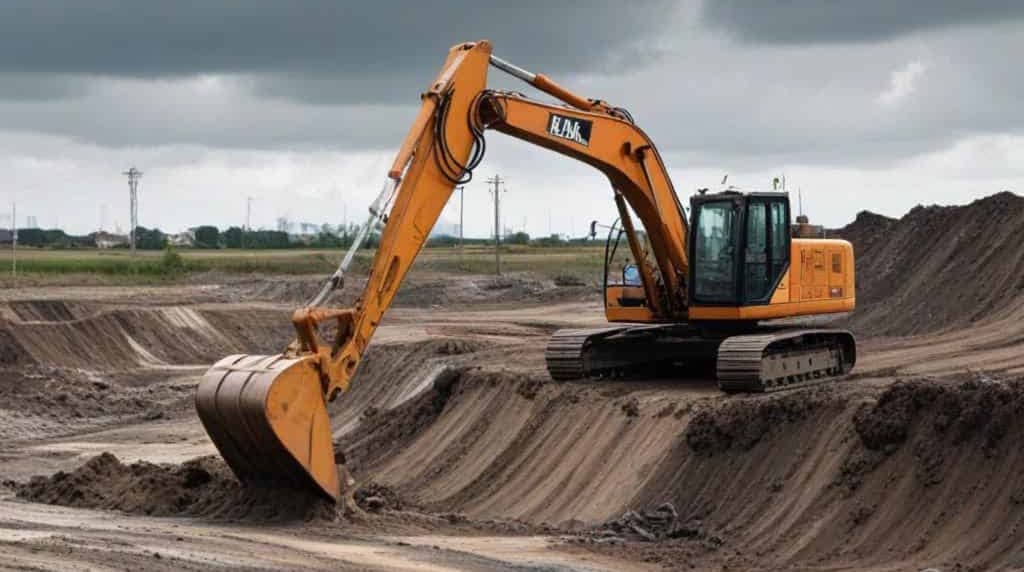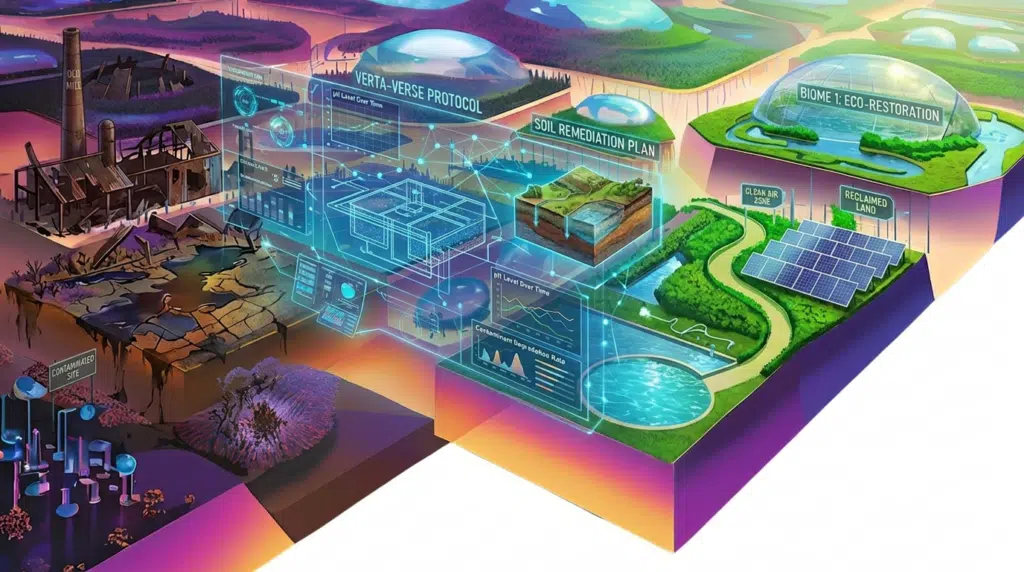
In recent years, the need for sustainable development has become more urgent than ever, as businesses across various sectors seek to balance economic growth with environmental responsibility. Contaminated land remediation plays a central role in this quest, as these projects offer the opportunity to restore and revitalise degraded places while adhering to stringent environmental regulations and preserving key resources. To achieve these laudable goals, an integrated approach to contaminated land remediation should be adopted. This comprehensive article will discuss the concept of an integrated approach, its importance, and how environmental contracting specialists contribute to the successful implementation and management of these holistic solutions.
An integrated approach to contaminated land remediation involves the careful consideration of multiple variables, such as site conditions, regulations, project objectives, and stakeholder concerns. This approach also emphasises the use of innovative, sustainable remediation technologies, thorough environmental risk assessments, and effective collaboration among all stakeholders. By adopting this multi-faceted strategy, businesses in the development, house building, manufacturing, and petrochemical sectors can effectively address contamination challenges while minimising environmental impacts and maximising the long-term value of their investment.
Environmental contracting specialists, including VertaseFLI, possess the necessary expertise and experience to guide businesses through integrated contaminated land remediation projects. Their involvement from the planning and execution stages, through monitoring and reporting, helps ensure that projects are completed in a responsible, cost-effective, and sustainable manner in line with current best practices and regulatory standards.
In this article, we will delve deeper into the key components that comprise an integrated approach to contaminated land remediation, discuss the benefits of adopting this strategy, and explore real-world examples of successful projects that embody the principles of integration and sustainability. Additionally, we will demonstrate the vital role that environmental contracting specialists play in the planning, implementation, and management of integrated remediation solutions.
To further understand the advantages of adopting an integrated approach to contaminated land remediation and how professional guidance from environmental contracting specialists can ensure successful project outcomes, [Call-To-Action: contact VertaseFLI for a consultation or site assessment].
Section 1: Key Components of an Integrated Approach to Contaminated Land Remediation
An integrated approach to contaminated land remediation necessitates the combined consideration of multiple factors and the effective collaboration of different stakeholders. Below are the essential components of this holistic approach:
1. Innovative and Sustainable Technologies: Utilising innovative and environmentally friendly remediation techniques that address contamination challenges effectively while minimising adverse environmental impacts.
2. Environmental Risk Assessments: Conduct comprehensive risk assessments to identify, evaluate, and manage potential hazards in contaminated land remediation projects.
3. Regulatory Compliance: Ensuring adherence to stringent environmental regulations, guidelines, and industry standards to protect both the environment and business interests.
4. Stakeholder Collaboration: Encouraging effective communication and collaboration among all stakeholders, including regulators, developers, communities, and contractors, to facilitate a shared understanding of project goals and challenges.
Section 2: Benefits of Adopting an Integrated Approach
The adoption of an integrated approach to contaminated land remediation offers various advantages for businesses across the development, house building, manufacturing, and petrochemical sectors:
1. Sustainable Outcomes: Integrated remediation projects prioritise sustainability, minimising environmental impacts through the use of eco-friendly technologies, resource conservation, and effective risk management.
2. Improved Decision Making: By considering multiple factors, an integrated approach enables businesses to make informed decisions to ensure that remediation projects meet their environmental, social, and economic objectives.
3. Regulatory Compliance: Ensuring adherence to stringent environmental regulations minimises the risk of non-compliance penalties, legal issues, and community conflicts, safeguarding both business interests and environmental well-being.
4. Cost-Effectiveness: Integrated remediation projects can achieve cost savings by selecting appropriate technologies, streamlining project management, and securing regulatory compliance.
Section 3: Real-World Examples of Integrated Contaminated Land Remediation Projects
The adoption of an integrated approach to contaminated land remediation has been successful in numerous projects across various industry sectors. Here are a few examples:
1. A mixed-use development on a former industrial site required innovative, cost-effective, and environmentally responsible remediation solutions. The project team adopted an integrated approach, involving stakeholders in the decision-making process, selecting sustainable remediation technologies, and incorporating environmental risk assessments. The result was a successful, environmentally compliant project that transformed a derelict site into valuable real estate.
2. A manufacturing facility required remediation of land contaminated by hazardous chemicals. Using an integrated approach, the facility engaged environmental contracting specialists to assess contamination levels, collaborate with regulators, and design a tailored remediation plan using the latest sustainable technologies. This approach enabled the facility to achieve both its environmental and operational objectives while demonstrating responsible stewardship.
3. A brownfield site in a densely populated urban area was targeted for residential development. The project developers adopted an integrated contaminated land remediation strategy that incorporated innovative, eco-friendly technologies, effective risk management, and extensive collaboration with regulators and the local community. The outcome was a sustainable, socially responsible development that revitalised an otherwise neglected area.
Section 4: The Role of Environmental Contracting Specialists in Integrated Remediation Projects
Environmental contracting specialists play a critical role in the successful implementation of integrated contaminated land remediation projects:
1. Expert Guidance: Specialists provide expert advice for on-site assessments, regulatory compliance, risk management, and the selection of appropriate remediation technologies.
2. Sustainable Solutions: Environmental contracting specialists possess in-depth knowledge of the latest sustainable remediation techniques, ensuring projects are completed in an environmentally responsible way.
3. Project Management: Their experience in collaborating with regulators, communities, and contractors ensures efficient project management, facilitating communication and cooperation among stakeholders.
4. Performance Monitoring: Environmental contracting specialists oversee the monitoring of project performance, ensuring that remediation goals are achieved and that regulatory compliance is maintained throughout the project’s lifecycle.
Integrated Contaminated Land Remediation for Sustainable Development and Business Success
Embracing an integrated approach to contaminated land remediation empowers businesses across the development, house building, manufacturing, and petrochemical sectors to address environmental challenges effectively and responsibly. With its focus on sustainability, collaboration, and innovation, this holistic approach delivers significant benefits, including cost savings, enhanced decision-making, and regulatory compliance.
By partnering with environmental contracting specialists, businesses can harness the potential of integrated contaminated land remediation, ensuring their projects are executed in a sustainable and compliant manner. To explore the transformative potential of an integrated approach to remediation and the invaluable support provided by environmental contracting specialists, contact VertaseFLI for a consultation or site assessment].