The development, house building, manufacturing, and petrochemical sectors often face significant challenges in addressing soil pollution resulting from historical activities or ongoing industrial processes. Soil contamination can have adverse effects on human health, environmental quality, and overall project success. Therefore, businesses must proactively adopt effective strategies to manage and mitigate soil pollution risks.
One crucial aspect of addressing soil pollution in these sectors is the adoption of soil remediation techniques to remove, control, or reduce the impact of contaminants present in the soil. These techniques play a vital role in ensuring compliance with environmental regulations, safeguarding public health, and securing project success. Partnering with environmental contracting services can provide invaluable support in selecting and implementing appropriate remediation strategies, ensuring compliance, and managing potential risks.
In this blog post, we’ll discuss effective strategies for dealing with soil pollution in the development, house-building, manufacturing, and petrochemical sectors. Let’s explore various soil remediation techniques, such as physical removal, chemical treatment, thermal remediation, and bioremediation, to meet the unique challenges businesses operate in these industries face. Emphasising the importance of working with professional environmental contracting services, we will help you successfully implement soil pollution management strategies and support sustainable project outcomes.
Exploring Soil Remediation Techniques
To tackle soil pollution challenges, businesses should consider a range of soil remediation techniques adjusted to their unique project requirements:
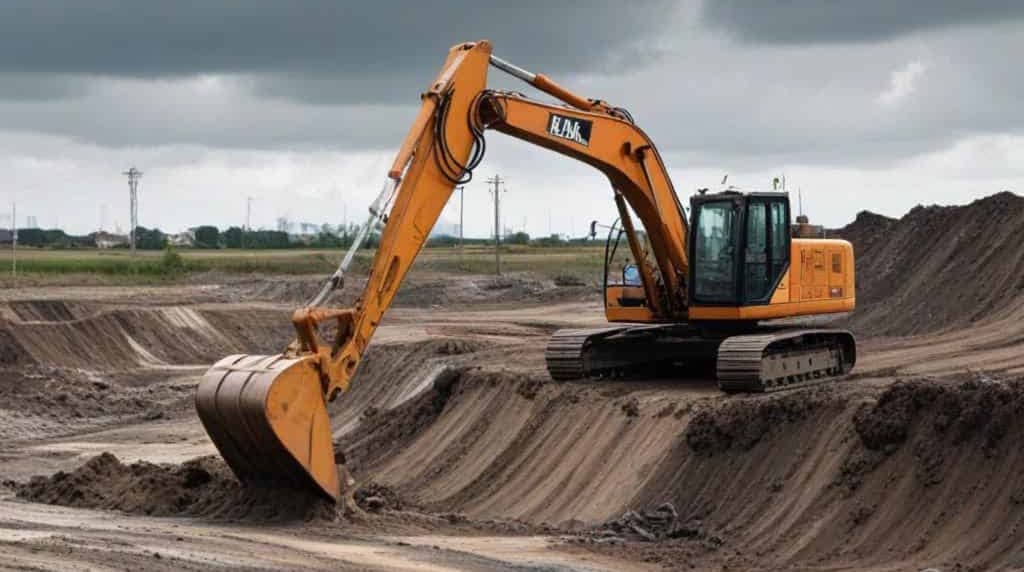
1. Physical Removal and Containment: Physical removal involves the excavation and off-site disposal of contaminated soil, followed by backfilling with clean soil. Containment employs engineering measures, such as slurry walls, caps, or liners, to prevent the migration of contaminants to adjacent areas or groundwater. These techniques are commonly used for readily accessible and well-defined contaminated areas.
2. Chemical Treatment: Chemical treatment uses chemical reagents to stabilise, neutralise, or destroy contaminants in the soil. Strategies include soil washing, which uses a washing solution to separate contaminants from soil particles, and in-situ stabilisation, which involves mixing soil with binding agents like cement, lime, or fly ash to immobilise contaminants.
3. Thermal Remediation: Thermal remediation techniques, such as in-situ thermal treatment, soil vapour extraction, or soil vacuum extraction, apply heat to soil, promoting the volatilisation of contaminants and subsequent vapour extraction and treatment. These techniques are particularly suited for volatile and semi-volatile organic compounds.
4. Bioremediation: Bioremediation leverages naturally occurring microorganisms to degrade or transform contaminants in the soil. Techniques include bioventing, which enhances microbial degradation of pollutants through the controlled delivery of air, and phytoremediation, which utilises plants and their associated microorganisms to absorb, accumulate, or metabolise contaminants.
Developing a Comprehensive Soil Pollution Management Strategy
To successfully address soil pollution challenges, businesses should develop and implement a comprehensive soil pollution management strategy, considering the following key factors:
1. Site Characterisation: A thorough site characterisation is crucial in understanding the extent, location, and type of soil contamination at a project site. Detailed information, such as soil type, contaminant concentrations, depth, and distribution, plays a vital role in selecting the most appropriate and effective remediation techniques.
2. Risk Assessment: Conducting a risk assessment helps businesses quantify the potential negative consequences of soil pollution, considering both on-site and off-site risks to human health and the environment. This assessment is essential for prioritising remediation actions and selecting the most appropriate mitigation measures.
3. Environmental Regulatory Compliance: A comprehensive soil pollution management strategy must ensure compliance with all applicable environmental regulations, guidelines, and standards. This compliance necessitates obtaining necessary permits, meeting soil quality criteria, and developing ongoing monitoring and reporting plans.
The Value of Partnering with Environmental Contracting Services
Working with professional environmental contracting services can provide vital support and expertise in addressing soil pollution challenges:
1. Soil Remediation Expertise: Environmental contractors bring extensive knowledge and experience in understanding soil pollution challenges and selecting appropriate remediation techniques according to the specific challenges faced by businesses in the development, house building, manufacturing, and petrochemical sectors.
2. Technical Support: Expert environmental contracting services can offer guidance and technical support in implementing the selected soil remediation techniques, ensuring optimal performance, and monitoring progress throughout the process to make any necessary adjustments.
3. Regulatory Compliance: Environmental contracting services are well-versed in navigating the complex environmental regulations governing soil remediation projects. These professionals can help businesses obtain necessary permits, adhere to regulatory requirements, and ensure that their soil pollution management strategies are compliant.
A Proactive Approach to Soil Pollution Management
Addressing soil pollution challenges is integral to the success of businesses in the development, house building, manufacturing, and petrochemical sectors. By embracing a range of soil remediation techniques and developing a comprehensive management strategy, these companies can mitigate potential risks and ensure compliance with environmental regulations.
Partnering with environmental contracting services offers significant advantages, providing businesses with expert guidance, technical support, and regulatory knowledge, helping them navigate complex soil pollution challenges more confidently. VertaseFLI’s environmental contracting services are ideally positioned to support businesses throughout the soil remediation process, helping them achieve compliance and sustainable project outcomes.
If you are a business in the development, house building, manufacturing, or petrochemical sector facing challenges in managing soil pollution, partner with VertaseFLI’s environmental contracting services for expert guidance and support in selecting and implementing effective remediation solutions for your project’s success. Contact us today!