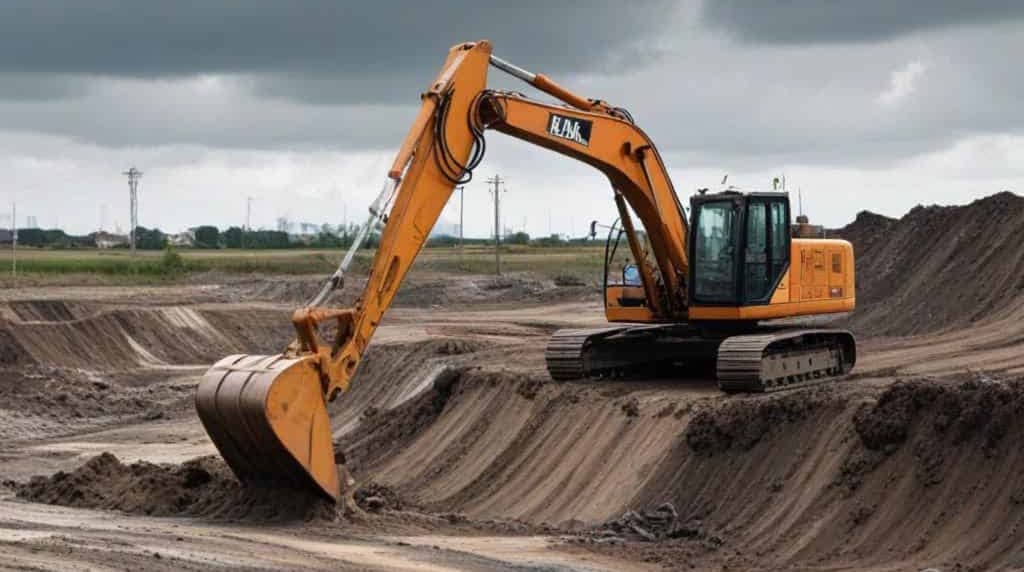
The redevelopment of brownfield sites offers substantial opportunities for economic growth, revitalisation of local areas, and environmental benefits. One crucial aspect of brownfield site redevelopment is the effective management of materials, an area where VertaseFLI excels in delivering practical and sustainable solutions.
Materials management encompasses the various processes and procedures required to efficiently handle, transport, store, and utilise materials throughout a project’s lifecycle. When carried out thoughtfully and strategically, materials management can contribute to significant cost-savings, enhanced environmental performance, and streamlined regulatory compliance.
The importance of materials management within brownfield site redevelopment cannot be overstated. Brownfield sites may contain a range of potentially contaminated and hazardous materials and waste, which must be treated, stored, or disposed of in accordance with regulatory requirements. Proper materials management can help mitigate the potential risks associated with these materials, ensure the health and safety of workers and nearby communities, and protect local ecosystems from harm.
Efficient materials management practices also contribute to overall project sustainability. By maximising the use of materials on-site, reducing waste generation, and optimising resource consumption, effective materials management can drive long-term cost savings and support the transition towards a circular economy.
This approach not only benefits the environment but also contributes to the economic performance and reputation of the project, positioning it as a leader in sustainable redevelopment and strengthening its long-term viability.
In this blog, we will explore the key components of effective materials management, look into best practices and innovative approaches in this area, and discuss how VertaseFLI’s experience and expertise in materials management can support successful brownfield site redevelopment projects.
We will also present real-life case studies, showcasing the benefits derived from strategic materials management in brownfield site redevelopment and demonstrating VertaseFLI’s commitment to delivering efficient and sustainable solutions in this field.
Key Components of Effective Materials Management
To achieve efficient and sustainable materials management in brownfield site redevelopment, it is crucial to consider the following factors:
1. Planning and Strategy: Developing a comprehensive materials management plan, which encompasses site assessment, materials identification, regulatory compliance, and resource optimisation, is critical for establishing a clear framework and objectives from the outset.
2. Waste Management and Minimisation: Implementing waste reduction practices, such as recycling, reclamation, and the reuse of excavated materials, can help minimise waste generation and associated disposal costs while reducing the environmental impact of the project.
3. Regulatory Compliance: Ensuring compliance with environmental regulations, permits, and industry best practices is essential for mitigating potential risks, avoiding fines, and demonstrating a commitment to environmental stewardship.
4. Monitoring, Reporting, and Record-Keeping: Regularly monitoring material movements, reporting progress against objectives, and maintaining accurate records can enhance accountability, enable continuous improvement, and support decision-making throughout the project lifecycle.
Best Practices and Approaches in Materials Management
Innovative methods and tools can be employed to support effective materials management in brownfield site redevelopment projects. Some key approaches include:
1. Site Segregation and Storage: Separating and storing materials according to their type, contamination level, and potential reuse or recycling opportunities can improve efficiency, safeguard the quality of materials, and enhance onsite safety.
2. Use of Material Management Software: Utilising specialised software solutions to monitor material quantities, movements, and consumption can help streamline processes, improve transparency, and identify potential savings through data-driven insights.
3. Soil Treatment Technologies: Exploring various soil treatment options, such as bioremediation, stabilisation, and thermal treatment, can enhance material reuse potential by addressing contamination issues and ensuring regulatory compliance.
4. Partnerships with External Stakeholders: Collaborating with industry experts, local authorities, and waste management providers can foster knowledge sharing, enable access to innovative solutions, and facilitate the responsible disposal or recycling of materials where necessary.
The Role of VertaseFLI in Materials Management
VertaseFLI is a leading provider of contaminated land, brownfield site remediation, and redevelopment expertise. Our materials management capabilities and experience ensure that projects are conducted in an environmentally responsible, cost-effective, and compliant manner, with a focus on:
1. Expert Consultation and Planning: Our team of specialists work closely with clients and stakeholders to develop tailored materials management strategies that align with project objectives, environmental best practices, and regulatory requirements.
2. On-Site Implementation: Our skilled field operatives facilitate the efficient and safe handling of materials on-site, employing innovative solutions and best practices to maximise resource utilisation, minimise waste generation, and maintain compliance.
3. Monitoring and Reporting: VertaseFLI is dedicated to maintaining transparency and accountability throughout the project lifecycle, providing regular updates on materials management progress, compliance, and sustainability performance.
4. Continuous Improvement and Learning: We actively seek opportunities for innovation and knowledge sharing, enabling our team to remain at the forefront of industry advancements in brownfield site redevelopment and materials management.
Case Studies: VertaseFLI’s Material Management Successes
To demonstrate the benefits and best practices of materials management in brownfield site redevelopment, we present two case studies that exemplify VertaseFLI’s approach:
1. Case Study 1: Regeneration of a former industrial site: In this project, VertaseFLI managed the excavation, segregation, and onsite reuse of approximately 12,000m³ of treated, contaminated material. This approach not only eliminated the need for costly off-site disposal but also significantly reduced the volume of imported backfill material, showcasing the economic and environmental benefits of effective materials management.
2. Case Study 2: Redevelopment of a mixed-use brownfield site: VertaseFLI employed innovative soil treatment technologies to address contamination issues and maximise the reuse potential of site-won materials. The combination of careful planning, stakeholder collaboration, and technology application resulted in substantial cost savings, waste reduction, and successful regulatory compliance.
Final Thoughts
Effective materials management plays a vital role in the remediation and redevelopment of brownfield sites, supporting environmental sustainability, cost-efficiency, and regulatory compliance. By adopting innovative methods and best practices, and collaborating with experienced partners like VertaseFLI, project stakeholders can maximise the benefits and opportunities afforded by efficient materials management.
With a commitment to delivering tailored, client-focused solutions and a wealth of expertise in brownfield site remediation and redevelopment, VertaseFLI is ideally positioned to support the delivery of successful materials management strategies.
By championing sustainable practices, fostering collaboration, and sharing our knowledge and experience, we aim to contribute to cleaner, safer, and more vibrant communities through our continued involvement in brownfield site redevelopment projects. Contact us today to learn more about our brownfield remediation solutions!