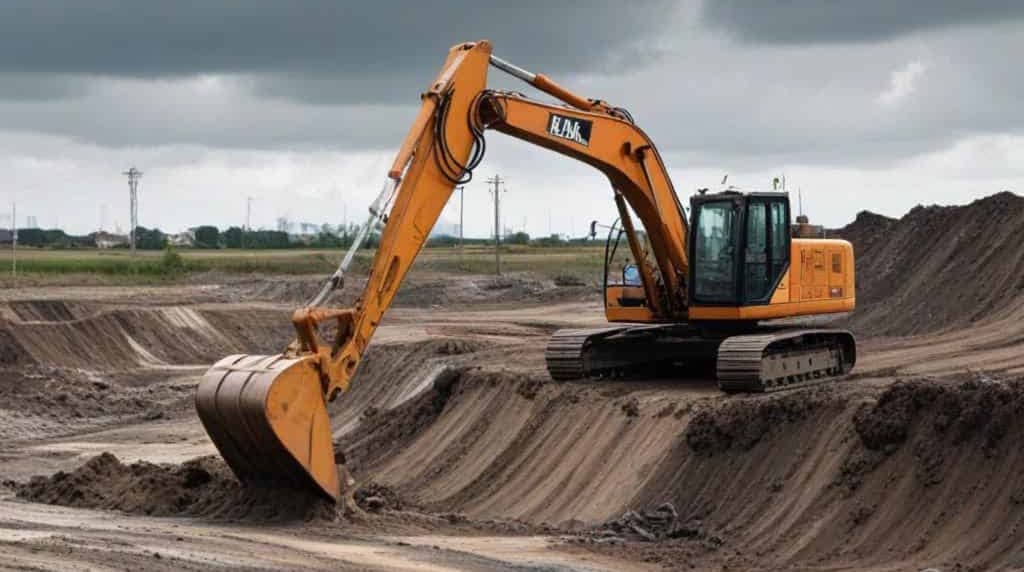
Brownfield site redevelopment often entails the management of numerous environmental and health-related issues. Among these, asbestos contamination is a pressing concern, posing potential health risks to workers and nearby communities if not properly addressed.
With a proven track record in delivering effective remediation solutions for asbestos-contaminated sites, Vertase FLI is well-equipped to support developers, consultants, and property owners in navigating the challenges associated with asbestos management during brownfield site redevelopment.
Asbestos was commonly used in construction materials throughout the 20th century due to its durability, fire-resistant properties, and insulation capabilities. However, it was eventually discovered that prolonged exposure to asbestos fibres could lead to serious health problems, such as asbestosis, lung cancer, and mesothelioma. This has made the management of asbestos-contaminated brownfield sites particularly critical, as developers must adhere to strict regulations and safety protocols to ensure that their projects minimise risks to human health and the environment.
In this blog, we will discuss the health risks and regulatory framework associated with asbestos contamination in brownfield site redevelopment, explore strategies for identifying and assessing the presence of asbestos, explain the different remediation techniques and best practices for managing asbestos in soils and building materials, and showcase Vertase FLI’s role in providing safe, compliant, and effective asbestos remediation services.
We will also present a case study of a successful asbestos remediation project undertaken by Vertase FLI, demonstrating our expertise and commitment to delivering the highest standards of safety and environmental stewardship in brownfield site redevelopment projects.
Health Risks and Regulations Governing Asbestos in Brownfield Sites
Asbestos poses significant health risks when its fibres are inhaled or ingested. Some of the most severe health issues related to asbestos exposure include:
1. Asbestosis: A chronic lung disease caused by the inhalation of asbestos fibres that leads to scarring and inflammation of lung tissues, resulting in decreased lung function and respiratory issues.
2. Lung Cancer: Asbestos exposure can increase the risk of developing lung cancer, particularly for individuals who smoke or have a history of smoking.
3. Mesothelioma: A rare but aggressive form of cancer affecting the lining of the lungs, heart, and abdomen, caused almost exclusively by asbestos exposure.
To protect public health and the environment, numerous regulations have been put in place to govern the handling, transportation, and disposal of asbestos-containing materials. In the UK, the Control of Asbestos Regulations 2012 sets out the legal framework for managing asbestos risks in brownfield sites, requiring property owners and developers to:
1. Conduct thorough asbestos risk assessments and surveys prior to any redevelopment work;
2. Develop comprehensive asbestos management plans for materials discovered during site investigations;
3. Employ trained and licensed asbestos removal contractors to carry out any necessary removal or remediation work;
4. Adhere to strict safety protocols and monitoring requirements throughout the redevelopment process.
Identification and Assessment of Asbestos Contamination
Effective management of asbestos contamination starts with proper identification and assessment. This involves several key steps:
1. Preliminary Site Assessment: Conducting a thorough review of site history, previous usage, and construction records can help identify potential areas of asbestos contamination and inform the development of a detailed site investigation plan.
2. Site Investigation and Sampling: A comprehensive site investigation involves collecting soil and building material samples from various locations identified as potentially contaminated. These samples should be analysed in a laboratory accredited to test for asbestos content, confirming the presence, concentration, and type of asbestos present.
3. Risk Assessment: Based on the findings of site investigation, a risk assessment should be carried out to evaluate the potential risks associated with asbestos within the site, factoring in factors such as proximity to sensitive receptors, potential pathways for asbestos exposure, and the likely future use of the site.
4. Asbestos Management Plan: An asbestos management plan should be prepared, detailing the measures to be implemented to address asbestos-related risks during site redevelopment, including mitigation, monitoring, and remediation actions, as well as worker safety precautions.
Asbestos Remediation Techniques
Several techniques and best practices can be employed to manage and remediate asbestos in soils and building materials:
1. Asbestos Removal: The most direct approach involves physically removing asbestos-containing materials (ACMs) from the site, followed by appropriate disposal in an authorised landfill. This method is utilised when ACMs are in poor condition or cannot be safely managed on-site.
2. Encapsulation: This technique involves sealing exposed asbestos fibres with a protective layer, preventing their release into the environment. Encapsulation may be appropriate when ACMs are in good condition, or when removal is not feasible due to structural implications.
3. Soil Washing: Asbestos-contaminated soil can be treated using soil washing, which separates the asbestos fibres from the soil particles, enabling the reuse of the cleaned soil within the site.
4. Capping: This method involves placing a physical barrier, such as a layer of clean soil or a geomembrane, over the contaminated area to prevent human exposure and limit the potential release of asbestos fibres.
Vertase FLI’s Expertise in Asbestos Remediation
Vertase FLI offers a comprehensive range of asbestos management solutions, backed by extensive experience and expertise in the remediation of asbestos-contaminated brownfield sites. Our range of services includes:
1. Asbestos Surveys and Risk Assessments: Our experienced team conducts thorough site investigations, sampling, and risk assessment services to support the effective identification and management of asbestos risks.
2. Asbestos Management and Remediation: We design and implement tailored asbestos management and remediation solutions, utilising appropriate techniques and best practices to manage and mitigate asbestos-related risks in line with regulations and client requirements.
3. Regulatory Compliance and Reporting: Vertase FLI is committed to ensuring full compliance with UK and EU regulations, providing clients with the necessary documentation and reporting to demonstrate adherence to pertinent environmental and safety regulations.
Conclusion
The presence of asbestos contamination in brownfield site redevelopment projects poses significant challenges and health risks. Through a combination of effective risk assessment, astute planning, and the appropriate use of remediation techniques, it is possible to successfully address these challenges and safely redevelop these sites.
Vertase FLI, with its wealth of experience and expertise in asbestos management, offers a range of solutions that enable clients to confidently tackle asbestos contamination in their projects while complying with the highest standards of safety and environmental stewardship. By delivering tailored, compliant, and effective asbestos remediation, we help ensure that the redeveloped brownfield sites contribute to the construction of safer, healthier, and environmentally sustainable communities. Call us today for our contaminated land remediation solutions!